

It should not come as a surprise that computers do a lot of things in the background. If they’re not of relevance to the average user, they are unlikely to be seen. Even so, there are inquisitive users, and it can be interesting to learn just what’s happening in the background.
In this article we’ll tackle just what happens when you install a program. We’ve already looked at the two main distribution methods for software on Windows as well as portable software if you want further reading material. For this article, we’re looking at how Windows handles software installation.
Opening the Installer
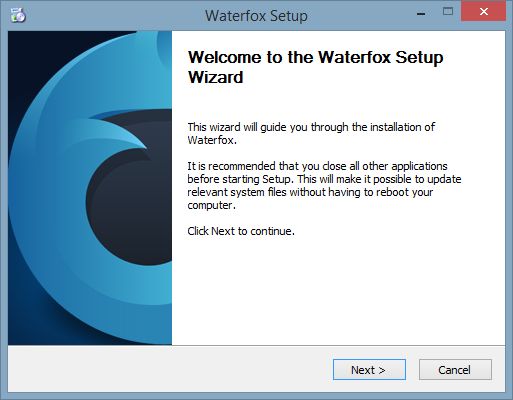
When you open the program’s installer, it will not change anything without your input. From Vista onwards, Windows requires administrative approval in order to run an .exe or .msi file.
Outside of this, Windows Installer will also become involved. This utility is more of a background process, ensuring that the installation process goes as intended, directing the files to their respective positions.
Only when you begin to install software does it have any effect on the computer.
Running the Installer
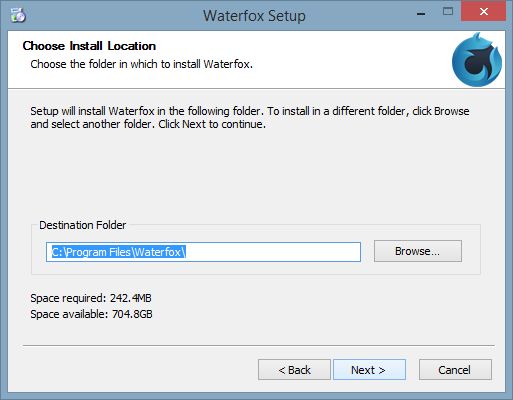
Installation can be looked at as two distinct phases. The first involves moving files into the Program Files folder: these files are required for the software to run and may include plug-ins for different functions. Typically, you’ll have to choose the installation location.
A key example would be iTunes which installs QuickTime and other Apple products alongside it. Depending on the installer, key files may be decompressed or downloaded from the Internet.
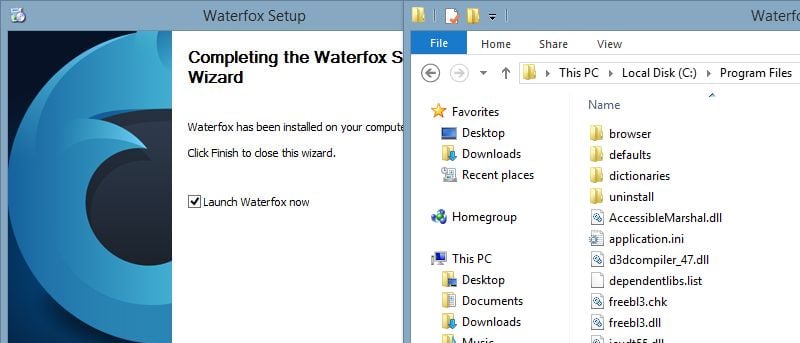
By the time this first phase is completed, the core files and folder structure should be in the installation directory. These are all integral to the software running properly understand all conditions. You could remove some elements and find a program still works until you try certain functions.
The second phase of the installation involves changing the Windows Registry. Each and every program you install has an entry in the registry. Programs like Revo Uninstaller are designed to root out these entries during uninstallation, deleting every trace of a program from a computer.
RegShot is a program designed to take a snapshot of the changes made to the registry during software installation. Using it, or an equivalent tool, makes it possible to observe just what a program does in order to ensure it runs reliably.
If a program starts alongside the operating system, like Skype does, then it is often written into the registry to do so. This can usually be disabled through the software settings which proves to be a major boon for users not keen on editing their registry.
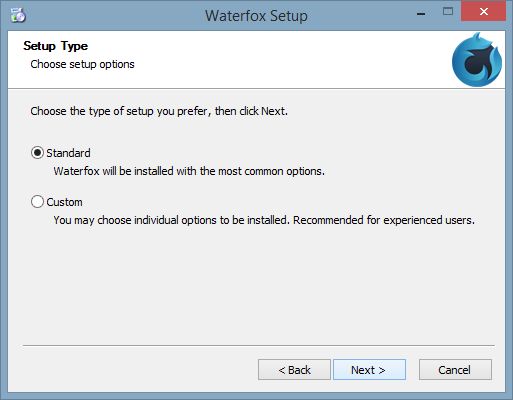
While it varies between installers, you could argue that the third and final phase is to offer the user some control. Users can view the “readme” file associated with a program, or they can have a shortcut added to their desktop.
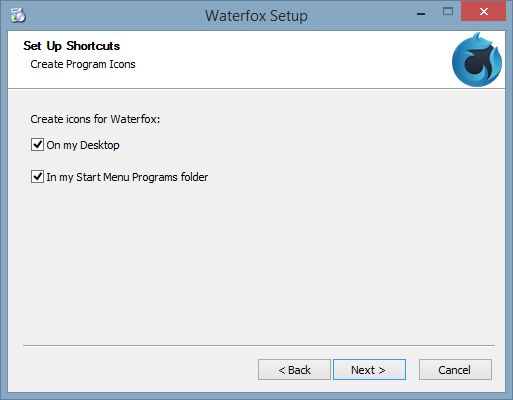
This third phase is debatable given that it does not change anything on the computer; any user can add a shortcut to their desktop or view a readme file (many programs package it into the Program Files folder for easy access).
Conclusion
Software installation is not as daunting as it may seem. While it mostly happens in the background, the steps taken are logical. Alterations to the registry are by far the more interesting element of installation, given how they can affect the computer.
If you are curious about the process of editing the Windows Registry, it is covered tangentially in another article about disabling the timer in Microsoft Office. Once again, it is not nearly as complex as it might sound, though is not always recommended.