
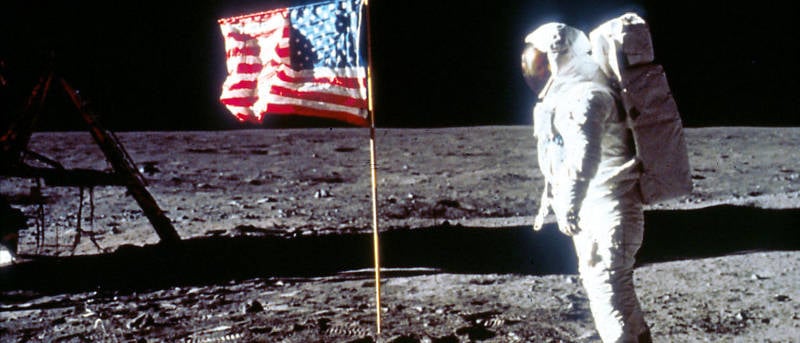

Almost everything that has made human progress possible is thanks to something Google likes to call a “moonshot.” This term, coined by Google’s secret research division (simply named “X”), has been used to describe a specific type of technology that very few brave entrepreneurs are interested in investing in, although it may have a significant amount of potential. What does the term mean? And why are people so reluctant to invest in them while others pour billions in that direction?
Defining a Moonshot
For a technology to be a “moonshot” it has to fit into a very particular set of criteria:
- It needs to be groundbreaking (i.e. its use to humanity, if successful, is enormous)
- It must be relatively expensive
- Its chances of success are not clear
Basically, a moonshot is as its name implies: You’re throwing money at something in hopes it will “reach the moon” if you choose to invest in it. One famous example of a moonshot is the invention of the airplane. The Wright brothers, with a relatively small amount of capital and an early 20th century understanding of physics and engineering, managed to create a machine capable of powered flight. Every great invention in one way or another started out as a moonshot.
Why It’s So Hard to Find Capital for Moonshots

It’s probably worthy to note at this point that almost every attempt at “moonshotting” has ended in utter failure. Coming up with an idea that sounds great on the surface doesn’t necessarily mean that you’ll be able to build a concrete model around that idea. The real world is results-driven, and not many investors are willing to part with their money on what they aren’t sure will work. That is, unless they have tons of money to throw around, which brings me to my next point.
Why People Invest in Them Anyway
Venture capitalists often have limited budgets, creating incentives for them to seek projects with the most ROI (return on investment) potential. Projects like these are already mature, or on their way to being so, and can prove it with an MVP (minimum viable product). If a startup’s presentation impresses an investor, it will most likely do so on its potential to make money. Moonshot projects hardly ever fall into this category.
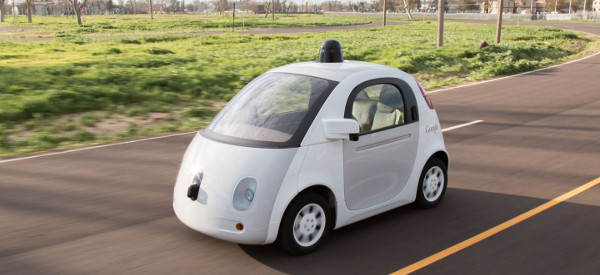
Large investors, however, can afford to exploit the potential of projects with far-reaching implications that will pay off only in the very long term. Google X, for example, invests in projects like self-driving cars, Project Wing (a drone freight delivery program), and Project Loon (a series of high-altitude balloons meant to deliver Internet connectivity to areas where it is inaccessible). X does this, of course, knowing that 100 projects have failed in 2015. The billions of dollars it has on hand can absorb the cost of failure, keeping the patents for something else they might be useful for in the future. While there may be some earning potential in funding projects set to be successful, the benefits of being a pioneer in something are even more immense. Making a foray into a new market virtually creates a new sector of the economy that the investing company can compete in without much pressure.
Conclusion
Because of moonshot investments from Fortune 100 companies, you have smartphones, LCD panels, tablets, and all the good stuff in life you watch cat videos through. While it’s wonderful to see all of the things these daring investments have brought us, I think it is equally fascinating to see all the things that could have been (such as vertical farming and buoyant cargo planes) but just weren’t meant to be. Or perhaps they weren’t meant to be just yet.
Can you think of a few moonshots that failed but would have been awesome? Tell us in a comment!