

Experts don’t quite agree on a definitions of Virtual, Augmented and Mixed Realities. Facebook focuses on Virtual Reality (VR) with Oculus Rift; the developer kit sells for $350. Google, with its Google Glass for example, and a number of other companies like IKEA have delved deep into Augmented Reality (AR).
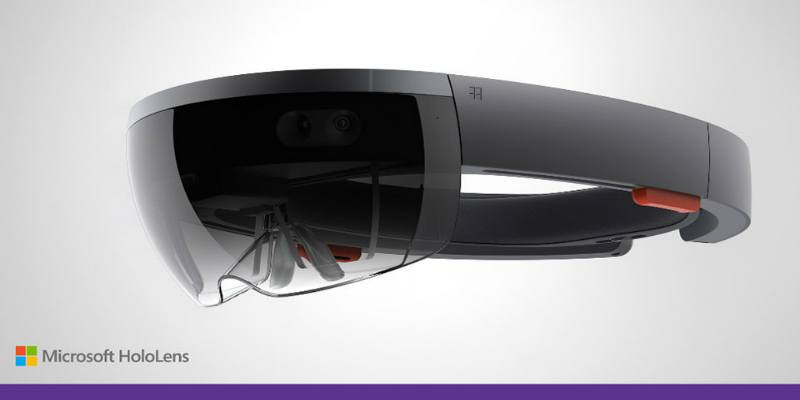
Microsoft has come into this market with a twist it calls Mixed Reality (MR). Microsoft’s MR developer’s kit (DK2) goes for a whopping $3000.
Yes, VR, AR, and MR have defining differences. However, they all have one goal in common: to give you 3D computer-generated imagery (CGI) or 3D video/live imagery experiences. They want you, the user, to feel and experience computer-generated imagery or 3D videos/images as real – hence the use of the word reality. Virtual Reality, Augmented Reality and Mixed Reality – these are all simulated realities.
What differentiates AR, VR, and MR from each other? Let’s examine each of these realities.
What Is Augmented Reality?
Augmented Reality differs from VR in that you aren’t lost in an environment away from your immediate surroundings. Virtual Reality, on the other hand, is an immersive virtual experience away from your immediate environment (more on this in a moment).
Augmented Reality improves your experience of your immediate surrounding. However, you can’t alter virtual content, such as re-positioning them in real time like you’d do in Mixed Reality, or impacting them like you’d do in Virtual or Mixed Realities.
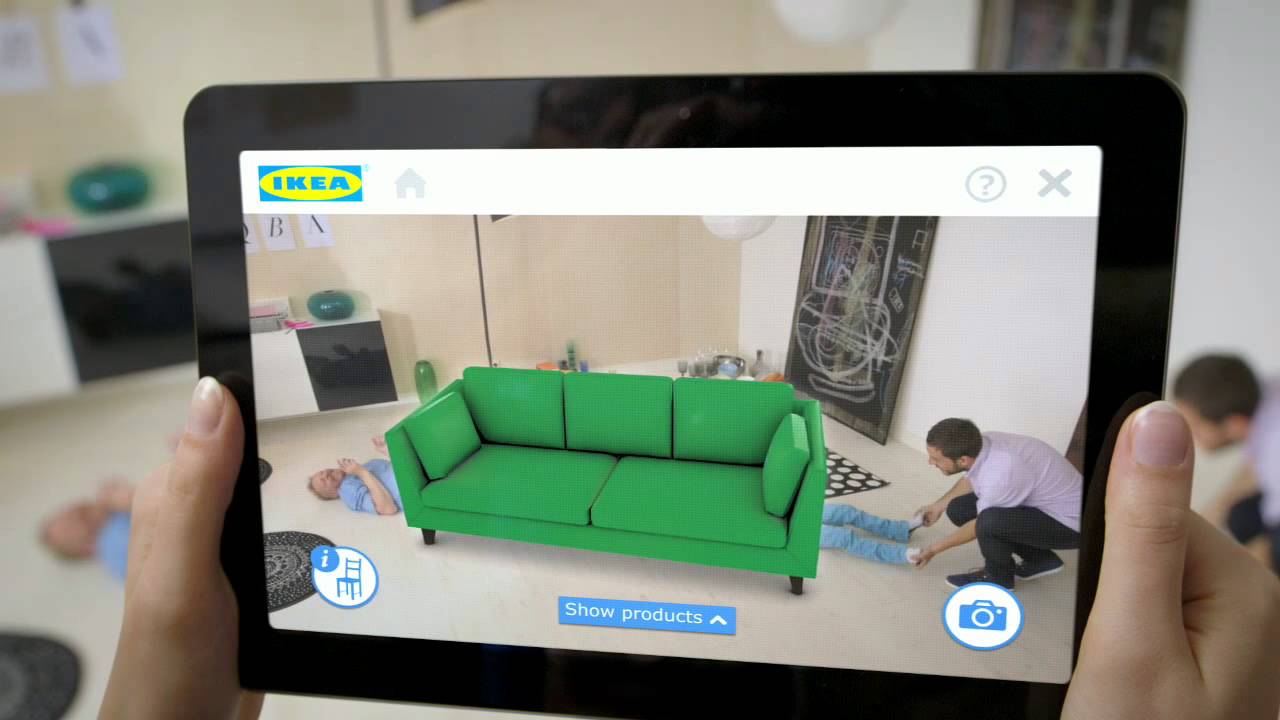
Think of Google Glass or IKEA’s digital table that suggest recipes, for example. You can see texts or imagery hanging in space along with all the other things you’d see in your physical environment. For a feel of what AR can do, see the IKEA video below.
What Is Virtual Reality?
Virtual reality creates a simulation and then you interact with that simulation as if it were real. In VR you can experience a city without ever stepping foot there – all within your VR suite. You can also experience a synthetic world or event or a mix of these worlds or events.
So in VR you could experience simulations of
- An actual event or place
- A synthetic event or place
- A blend of actual and synthetic events or places
For example, you can play a VR football game – this would be a synthetic event. Or you can watch a live broadcast of a Manchester United soccer game as if you were there – actual event. Or add extra imagery to your already live Manchester United soccer event to make a blended synthetic and actual event.
Virtual Reality completely immerses you in a world away from your immediate environment. You’re transported to a place away from your immediate surroundings – a virtual world.
Mixed Reality: a reality ahead of VR and AR
In 2015 Minecraft and Microsoft collaborated on a Mixed Reality game using the Microsoft HoloLens. The video below gives you a feel of how this worked out.
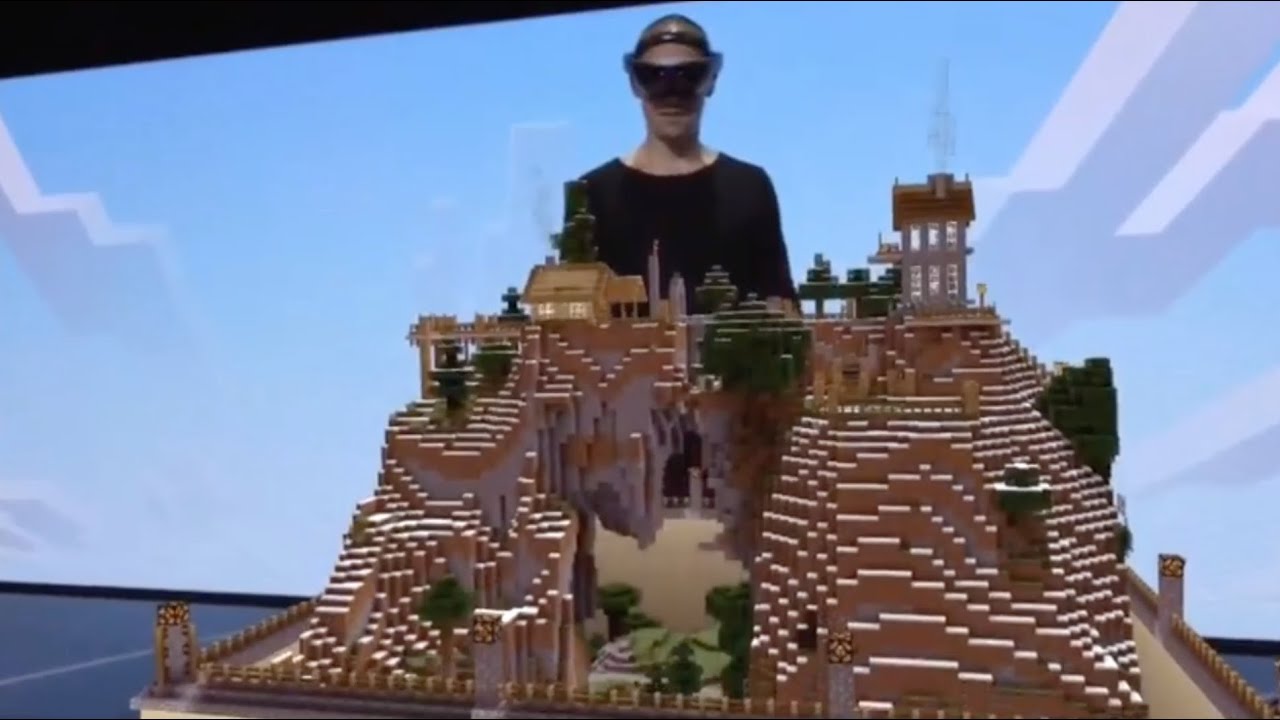
Mixed Reality, just as the name suggests, is a mix of Virtual and Augmented Realities. In Augmented Reality you have no interaction at all with your computer-generated texts or imagery. You can’t change the positions or alter other features of what you see in an AR. Mixed Reality fixes that.
MR makes it possible for you to physically interact with virtual content in real time. Mixed Reality turns a virtual reality experience into actual, physical reality.
Mixed Reality is also known as Hybrid Reality. A good example of MR at work is Microsoft’s HoloLens. When experiencing a Mixed Reality you’d find it hard to tell the difference between actual and virtual reality – virtual objects occupy real space in real time, and you can interact with these objects directly.
Conclusion
Mixed Reality is a blend of VR and AR. Unlike AR, MR allows users to directly interact with computer-generated simulations in real time instead of experiencing only a static imagery and text. And unlike VR, MR allows users to anchor and overlay synthetic content in the physical world and have both worlds interact with each other. MR aims to enhance digital, real-time collaborations between teams and teammates and between users and their environment.