
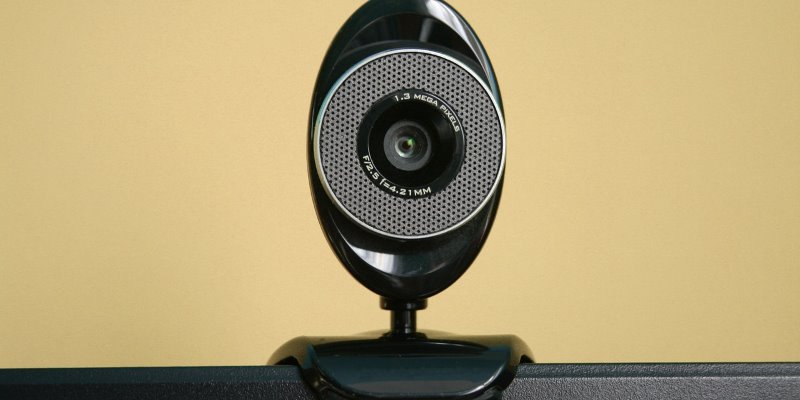

If you’ve been paying attention to the recent Windows Updates, you’ll know that Microsoft is implementing passwordless logins on their operating system via Windows Hello. Instead of typing in a password or PIN, you can use a webcam to scan your face. Windows Hello will then unlock the computer if it detects that the face is yours. This makes the operating system a little more secure against attacks; it’s a little harder to copy a face than a password!

Of course, in order to make the best use of a biometric scan, you’ll need a camera that can accurately depict your face. Fortunately, Microsoft is rumoured to be releasing their own webcam products soon. These will be specifically designed to help with Windows Hello logins.
What’s Rumoured
Details aren’t concrete just yet, but there are some interesting nuggets of information to speculate on. For one, it sounds like Microsoft is planning on making a range of different webcams, instead of just the one. This variety of webcam models is likely to feature different specs that relate to different budgets. Some of the proposed luxury features include 4K resolution and compatibility with the Xbox One console.

The latter feature is very interesting for Microsoft’s plan for Xbox One.. Microsoft has already attempted to bring a camera to their console with the Kinect. It was designed to capture the player’s movements after Nintendo had nailed motion controls with the Wii. Unfortunately, the public’s opinion of the Kinect didn’t last too long, and it’s now been silently set side.
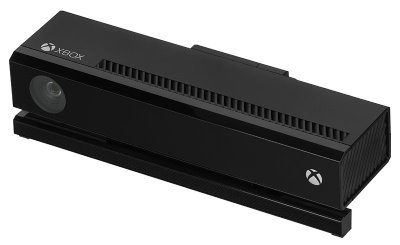
While the motion controls weren’t too well-received, the Kinect was handy as a basic webcam. It could still detect faces, even if you never intended to use the Kinect for motion controls. As such, this could be Microsoft’s way of cutting out what didn’t work with the Kinect and keeping what did. The webcams are definitely no full replacement for the Kinect, but it’s a good way to keep the face-tracking feature alive.
What Are the Release Details?
Unfortunately, the rumour mill hasn’t churned out any more details on how, exactly, these webcams will be sold. We don’t know the price points of any of the webcams or how they’re even going to be distributed. It’s highly likely they’ll sell them as a stand-alone device you can pick up at a store, but we don’t know if they plan to sell PCs and Xbox One consoles with the webcam prepackaged.
It’s likely there will be an entire range of webcams to suit all demographics. On the lower end of the scale would be a budget-oriented webcam for people who simply want to do Skype video calls and may not be concerned with advanced features. On the other end of the scale, a 4K resolution webcam for biometric logins on both PC and Xbox One would be a perfect fit for tech enthusiasts.
Whispers About Webcams
While there aren’t a lot of details available about Microsoft’s upcoming range of webcams, we know that they’ll have 4K resolution, compatibility with Xbox One, and will focus on biometric scans to help with Windows Hello. Hopefully more details will come out soon on how these webcams will make their way into the hands of consumers.
What do you think of these rumours? Can you see yourself getting a webcam and using Windows Hello to log in? Or does a password/PIN suit you better? Let us know below.