

To show how focused the whole world is on absorbing everything it can related to coronavirus information, Microsoft issued a warning about a spike in cyberattacks of COVID-19 data. Everything about the global health crisis is so all-consuming, that it’s very easy to not have your guard up when it comes to dealing with coronavirus data. People are concentrated on saving lives – not on saving data.
Microsoft Warns of Increase in Cyberattacks
Tom Burg, Microsoft’s corporate vice president of consumer security and trust, said in the company’s Digital Defense Report, that “threat actors have rapidly increased in sophistication over the past year, using techniques that make them harder to spot and that threaten even the savviest targets.”
This should put fear in everyone in general from the outset – the rise in sophisticated techniques to target your information. Additionally, the report said countries like Russia are focusing on non-governmental organizations, human rights groups, think tanks, colleges and universities, and other groups that deal with public policy. One frequent target has been coronavirus researchers.
“Microsoft observed sixteen different nation-state actors either targeting customers involved in the global COVID-19 response efforts or using the crisis in themed lures to expand their credential theft and malware delivery tactics,” wrote Burt in the report.
“These COVID-themed attacks targeted prominent governmental healthcare organizations in efforts to perform reconnaissance on their networks or people. Academic and commercial organizations involved in vaccine research were also targeted.”

More than half, 52 percent, of all nation-state targeting that has taken place over the last year have originated in Russia. The remainder of the targeting originated in China, North Korea, and Iran.
The cyberattacks are only increasing. Earlier this month, Microsoft released an assessment that said it was observing “increasing” attacks from Russia, China, and Iran. U.S. political groups, including the current presidential nominees, have been targeted.
In nearly 70 percent of these attacks, the United States was the target. The United Kingdom with 19 percent was the second most targeted. It was followed by Canada, South Korea, and Saudi Arabia.
COVID-19 Data Targeted in Cyberattacks
The malicious actors performing these cyberattacks from these countries are exploiting the public’s fears of COVID-19, noted Burt in the Microsoft report. The attacks have included coronavirus-themed phishing emails and malware viruses and spiked in March, just when the pandemic began surging throughout the world.
The faction of workers being forced to do their business at home is being specifically targeted. Again, workers were frazzled, worried about getting sick and trying to set up an office at work. Protecting data from cyberattacks wasn’t on top of everyone’s minds.
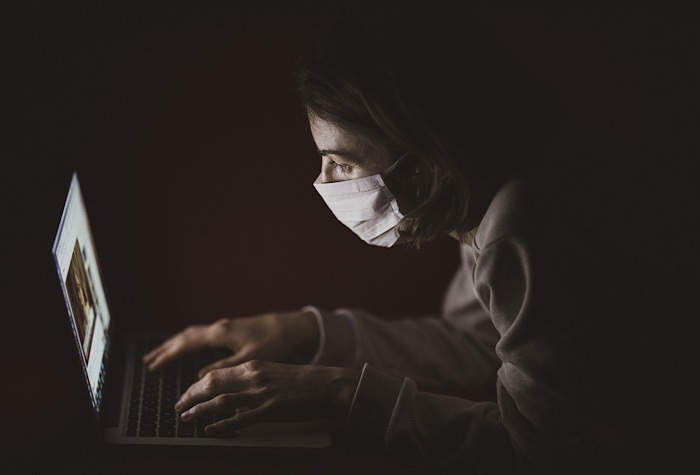
Thirteen billion malicious and suspicious emails were blocked, with Microsoft determining that 1 billion of them were trying to steal credentials.
Hospitals and other health care groups have been hit by these cyberattacks as well. A majority of hospital systems with locations in the U.S. and U.K., Universal Health Services, was hit earlier this week by a ransomware attack.
Burt explained the measures Microsoft is taking to respond to the COVID-19 cyberattacks: “Even with all the resources we dedicate to cybersecurity, our contribution will only be a small piece of what’s needed to address the challenge.”
“It requires policymakers, the business community, government agencies, and, ultimately, individuals to make a real difference, and we can only have significant impact through shared information and partnerships,” added Burt.
These COVID-19 cyberattacks that Microsoft is warning about have only increased what was already a trend. Read on to learn about the 200-percent increase in destructive malware cases in 2019.