


Attentive Windows users might have seen a recent addition to the Windows 10 Mail app, one that they may wish they didn’t see added at all. Without warning, the Mail app began to display advertisements in line with the emails. Windows would then display a message saying that users can “go ad-free” by getting a copy of Office 365.
Users responded very negatively to this change, wanting answers as to why this previously ad-free service had done a turnaround without warning. As quickly as the adverts arrived, however, they were removed once again. Microsoft then claimed the whole thing was an experiment and that it was “never intended to be tested broadly.”
Of course, users aren’t so sure that this was “just an experiment” and assume this excuse is simply a way of backing down after Microsoft added the ads in the first place. After all, Microsoft did have a full-fledged FAQ which has since been deleted off their website. These make it hard to believe it was a simple experiment and make it easier to assume that Microsoft really was gunning for ads in the Mail app.
Also read: Windows Live Mail Help: 5 Common Problems and Their Solutions
Why Would Microsoft Add Ads?
The obvious answer is “because it makes them money,” but some users are disgruntled that they’re receiving advertisements on a paid operating system. Why does Microsoft feel it’s worth selling Windows 10 for quite a high price, only to inundate it with adverts later on down the line?
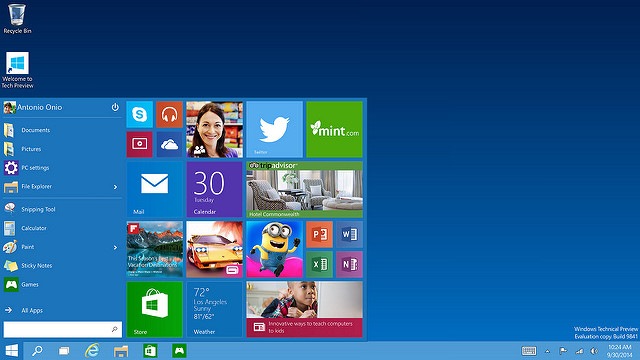
The truth is, Windows 10 has never been shy to feature ads. You may have even seen them from the moment you booted Windows 10 for the first time! Advertisements for apps appear in the Start menu, and some apps even come pre-installed for users to try out.
The Profit Problem
The problem Microsoft faces right now is finding a way to get users to continue paying after they’ve bought Windows 10. The initial injection of money that a user gives Microsoft when they buy the operating system is nice, but what happens two, three, five, maybe ten years down the line? If the user is totally satisfied and doesn’t buy anything extra, it’s entirely possible for them to use Windows for years without paying Microsoft another penny.
There are multiple ways that Microsoft can keep the revenue flowing; the problem is getting the public to like it. We had a brief scare in 2018 where people thought Windows 10 was becoming a monthly subscription service. It turned out to be a business-related desktop management plan, but the fear of Windows 10 becoming a monthly service was enough to scare people.
Microsoft probably won’t release a new Windows, as they’ve been put on record saying that Windows 10 is likely the final version of the operating system they’ll release. With no new releases on the horizon and people reacting negatively to specific strategies, they’ll have to think of other ways to make more money.
One potentially good source of revenue for Microsoft is Office 365. This is their subscription-based version of Office and what Microsoft would ideally like people to use for word processing and presentations. Unfortunately, there are free and cheaper office suites available (including older Office versions!) which makes Office 365 a relatively hard sell. From the “experiment” explained above, it appears Microsoft is trying to wrangle up some cash by encouraging users to subscribe to Office 365 to get rid of ads.
Adverse Advertisements
Microsoft’s recent “experiment” ruffled the features of Windows 10 users who aren’t so keen on believing that it was just a test. As Windows 10 proliferates around the world and the sales of the operating system slows down, there’s no telling what Microsoft will try in order to brighten their profit margins.
Do you believe that Mail ads were not meant to be seen by the public? Or is it damage control after the outcry? Do you think Microsoft will try to further monetize Windows 10? If so, how? Sound off below!
Image credit: Menu Start w Windows 10