


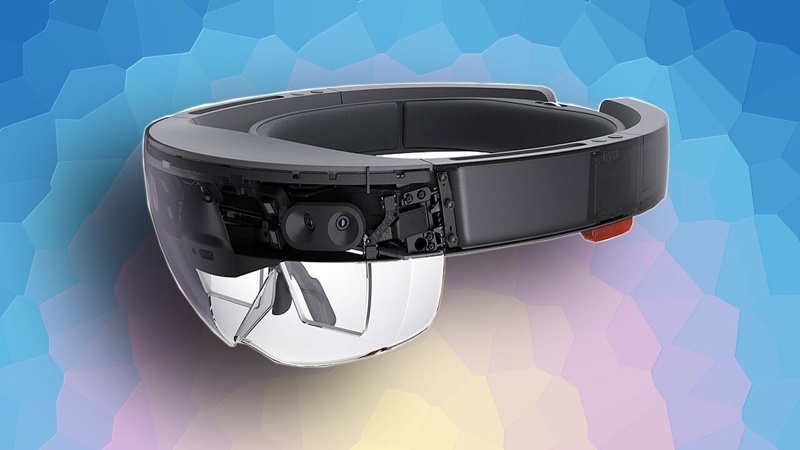
New advances in technology are great, but the goal should always be that inventions are useful and not just unique. The Microsoft HoloLens smartglasses seemed like they was in danger of just being a unique device with no use, but now the company has added two applications to help HoloLens break into the business world.
Dynamics 365
Microsoft combined its two business solutions, CRM and ERP, into one, Dynamics 365, and now they are adding HoloLens into the this business solution. The thought is that the smartglasses will be used by field workers such as repair technicians who would struggle to use something like a tablet because they need both their hands to remain free.
This solution would give these workers a wearable Windows 10 system. They would have no reason to have to make due with a tablet or other device. The next step was to find professions where the HoloLens could be helpful.

Putting Dynamic 365 to Work
Once such use case is to give assistance to people who work away from an office to get help on a project from the people who remain back at the office, and that’s what led them to create Dynamics 365 Remote Assist.
One of their scenarios involves a repair person wearing the HoloLens to understand what the repair situation is before they get to the location or to get remote help from an expert in that particular field while they are there on the job site.
The technician would be able to share what they are seeing through the HoloLens, and the expert could then show the repair person step by step, through annotations and other methods, how to go about the repair while themselves remaining in the office.
Scope AR announced their solution, RemoteAR, a few months back. It’s similar to the HoloLens, but as a Windows product, the HoloLens holds the advantage with data integration that can update that particular remote outlet when the repair is finished.
Another solution is Dynamics 365 Layout. Designers can create 3D representations of stores or factories in CAD and then view the design in HoloLens, adjusting the design in real time.
The general manager for Microsoft Mixed Reality, Lorraine Bardeen, says they won’t need to create cardboard mockups of the layouts or make adjustments to the design on a computer when issues arise – adjustments could be made on the HoloLens to the CAD drawing.
Furthermore
These are just two solutions for the Microsoft HoloLens, but they are continuing to work with companies such as Chevron, Ford, and ThyssenKrupp Elevators to find real-world uses to save time, effort and money using the device, according to Bardeen.
It’s unknown how much HoloLens will be incorporated into mixed reality in the future, but these two solutions give hope to the direction business solutions can go. These two particular solutions will have general availability on October 1.
What do you think of using the Microsoft HoloLens as a business solution? Do you see it as something that could be a game-changer for remote workers? Let us know what you think about it in the comments section below.