

Microsoft announced a couple of Surface devices this week, as well as a few design apps. But what’s perhaps more newsworthy is the integrations that were mentioned. Microsoft is working with former foe Apple to integrate its services into Windows instead of competing with the company behind the iPhone, iPad, and Apple Watch.. To clear an obvious pain point for owners of both a Microsoft device and an iPhone, Microsoft is making it easier to access Photos in Windows and Apple Music on both Windows and Xbox.
Also read: How to Get Free Apple Music in 2022
Apple Music and Photos Integration
Yes, Microsoft and Apple are foes, arch-enemies from days of yore. Microsoft won the computer war, but Apple returned with a vengeance with the iPhone. While Microsoft has its productivity suite used by Windows and Apple users, Apple has Apple TV+, Photos, and Apple Music. They both have successful services, so why not share instead of competing for the same users?

Windows and Xbox users sometimes have iPhones. The users want to be able to view and use the photos they take with their iPhones on their computers and want to play the music they enjoy on their iPhones on Xbox and Windows. And now they can.
Microsoft’s press release said the “seamless” process involves users installing the iCloud for Windows app from the Microsoft Store, then syncing iCloud Photos. The app is now available for Windows Insiders and will be available to all Windows 11 users in November. Microsoft referred to this integration as an “incredible game changer.”

It doesn’t stop there, as they want to be sure Xbox users can access Apple’s entertainment. Apple TV is already available on Xbox consoles, and now Apple Music will be available too. It won’t be limited to Xbox users for long. Apple Music and the Apple TV app will launch on Windows next year. Microsoft doesn’t specify, but maybe this will also be limited to Windows 11.
In a shocking sign of the times, Microsoft said, “We can’t wait for you to be able to listen to your favorite music, playlists, and more from Apple Music, and watch your favorite TV+ series and movies right on your Windows 11.”
Who Will Benefit?
Microsoft seems to be realizing that sharing is better than battling. It’s something everyone learns in Kindergarten. Understandably, the two tech companies needed to have that contentious past. They were both trying to get ahead. Perhaps without the competition, computing wouldn’t exist as it does now, and they may not have become the tech juggernauts they are today.
However, recent news showed that only around 2.6 percent of Windows users are using Windows 11. Perhaps Microsoft is hoping this news will force some users to update their OS.
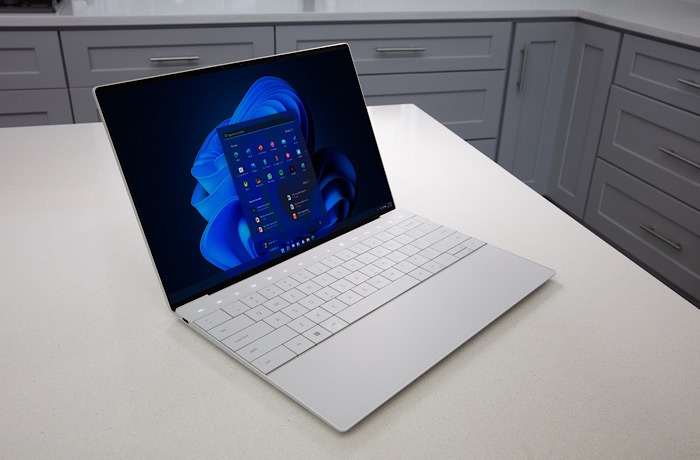
There doesn’t seem to be a limit on Xbox – at least, there wasn’t one mentioned. It would seem Apple Music and Apple TV will be available to all Xbox users. Only Windows 11 users will get access to the Photos app – but it goes beyond adoption. Only 57 percent of a test group have machines that can run Windows 11.
Regardless, it’s a positive direction that Microsoft will be making Apple Music and Photos available on both Windows and Xbox, even if it’s hitting a limited user base. But this has more to do with a new way of thinking in tech than Microsoft deciding to play nice with Apple. With the Matter protocol becoming official recently, it will bring Google, Apple, Amazon, and other big players to work together. In the end run, all of it only means good things for users.
Image credit: Unsplash. All screenshots and alterations by Laura Tucker.