

Price increases for online subscriptions aren’t anything new, even if they are frustrating. The problem occurs when prices increase to give you features you don’t want, while taking away something you do want. That’s the case with Microsoft 365 and the disappearing VPN, all for an increased price.
Microsoft Announces End to VPN in Microsoft 365
In 2023, Microsoft added a highly useful feature to its Microsoft 365 subscription: a VPN that integrates with the Defender software built into Windows, along with the Defender app for other systems. In a time when privacy is becoming harder to protect, a VPN feels like a necessity, though there are alternatives to VPNs. Having it included in a subscription you already have is a nice bonus.
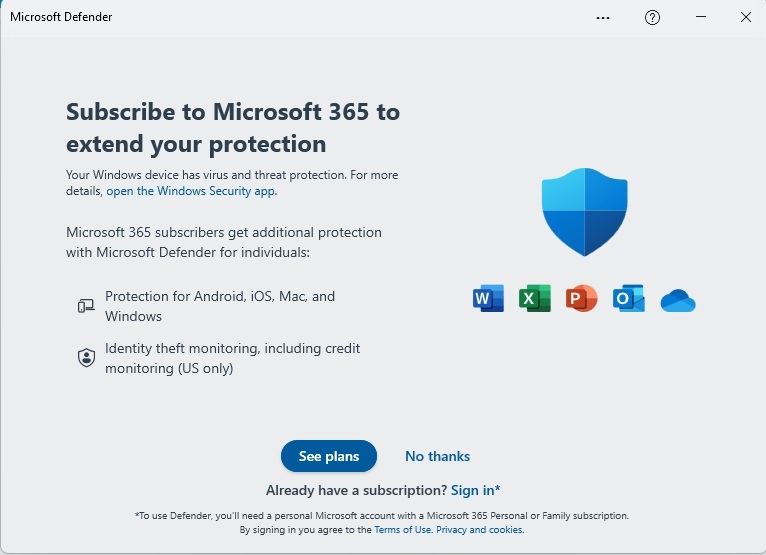
But Microsoft has decided to focus on other things, namely AI. The company announced the change on Monday. You’ll have until February 28, 2025, to find a new VPN if you use this feature often.
Microsoft is keeping the identity theft protection, along with all the same protections that Microsoft Defender offers, sans a VPN.
No VPN Right After Price Hike
Users may not be so irate with the lost VPN if Microsoft hadn’t recently increased the Microsoft 365 subscription plans by $3/month. While it’s true Microsoft hasn’t raised the price since the subscription began, users aren’t thrilled with the reason: adding AI.
Subscribers now get 60 Copilot credits per month to use in Microsoft 365 apps, such as Word, Excel, and Designer (for image generation). But credits only last for one month, and unused credits won’t roll over to the next month. If you need more, you’ll have to subscribe to Copilot Pro for $20 per month, per user.
Even worse, if you’re on a family plan, only the family plan owner gets access to the credits. Others have to subscribe to Copilot Pro separately.
Obviously, many users aren’t happy about the forced addition of Copilot for an additional fee. So for the moment, subscribers with recurring billing can keep their existing plan without Copilot or switch to a Classic plan to avoid the price increase. The latter is only available for a limited time, so switch quickly if you’re not interested in having Copilot in your 365 apps.
There’s just one more bit of bad news, other than the increased price for Microsoft 365. If you’re still using Windows 10, Microsoft is ending support for 365 apps on Windows 10 devices in October. You can keep using your subscription online, but any downloaded apps will no longer receive security or feature updates.
Overall, it hasn’t been a good month for Microsoft 365 subscribers. The good news is that you do have alternatives if you’re not pleased with the recent announcements. Use an existing plan and just take advantage of the free version of Copilot. And there are always free ways to use Microsoft Office.
Image credit: Unsplash