


Online scams are a veritable business. Every time one small branch opens up, authorities stop it, but there always seems to be something else waiting in the wings that is even worse. Meta is taking a stand against the organized crime sector that hosts scams such as “pig butchering.” They are taking them all down once identified.
Meta Taking Down Organized Crime Scams
Meta just isn’t going to stand for it. While at one time Facebook did not keep a tight rein on content – specifically, during the presidential election eight years ago – it seems parent company Meta is going to take a stand on the right side of technology and the law.
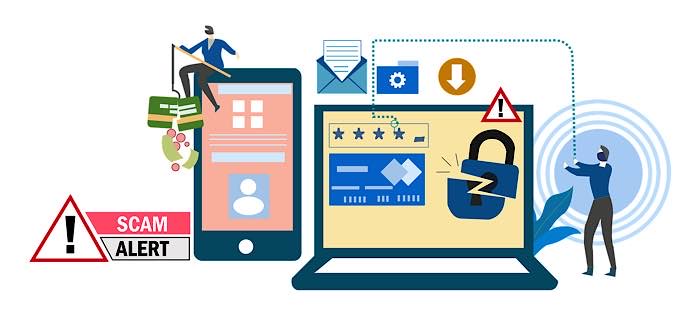
Currently, Meta’s concern is the organized crime that leads scam centers in Myanmar, Laos, Cambodia, the United Arab Emirates, and the Philippines. Meta, the company that oversees Facebook, Instagram, Messenger, and WhatsApp, said in a blog post that they have “taken down over two million accounts linked to scam centers,” just in 2024.
The company is calling out “pig butchering” and other scams. These scams are known to go after people in messages, dating, crypto – and the reason Meta is taking this stand – social media. They are partnering with law enforcement, as well as their “peers in the private sector” on this mission.
Working to Eliminate Pig Butchering
Pig Butchering, as explained by Meta, is “about building trusted personal relationships online with someone, only to manipulate them to deposit more and more money into an investment scheme.” These scams are carried out in compounds run by organized crime and located mostly in Asia. They don’t just scam the people out of money – they scam people into working for them and taking advantage of other people.
Meta believes the activity in scam centers is “tightly scripted,” by organized crime. Their forced labor uses a “spray and pray” format of scam. This reaches as many people as possible through text messages and online, just hoping they’ll get a few nibbles from some naive people.

The naive people are then passed on to the next group, who work on gaining their trust so that they will open their wallets and invest in the schemes. Once the victims become less trusting, or it becomes apparent that they don’t have more money than what they have already “invested,” the scammers disappear with the “investment.”
Meta continually investigates, using DOI (dangerous individual and organizations) policies to disrupt the organized crime and pig butchering. After the people or companies are judged as DOIs, they are banned from Meta, assumably from all their branches of social media.

The scam that my father fell to wasn’t pig butchering, but it was organized crime. He was told via a phone call that he won a sweepstakes and that he had to pay the insurance to win the car and money. He had dementia, and it was right after my mother had passed away. They got $500 from him before I took control of his bank account. His financial investment company explained that this scam is run out of the country, usually in Jamaica, and that the victims are always told they won a White Mercedes and 1 or 2 million dollars.
Meta says that as part of its operations against organized crime, other than disrupting the scam centers, they are also rolling out new features to help users of their apps. This includes warnings on Messenger and Instagram DMs, reminding you to be aware of suspicious interactions. While some people may not trust Facebook, they’re doing good work with this.
Image credit: Pixabay