
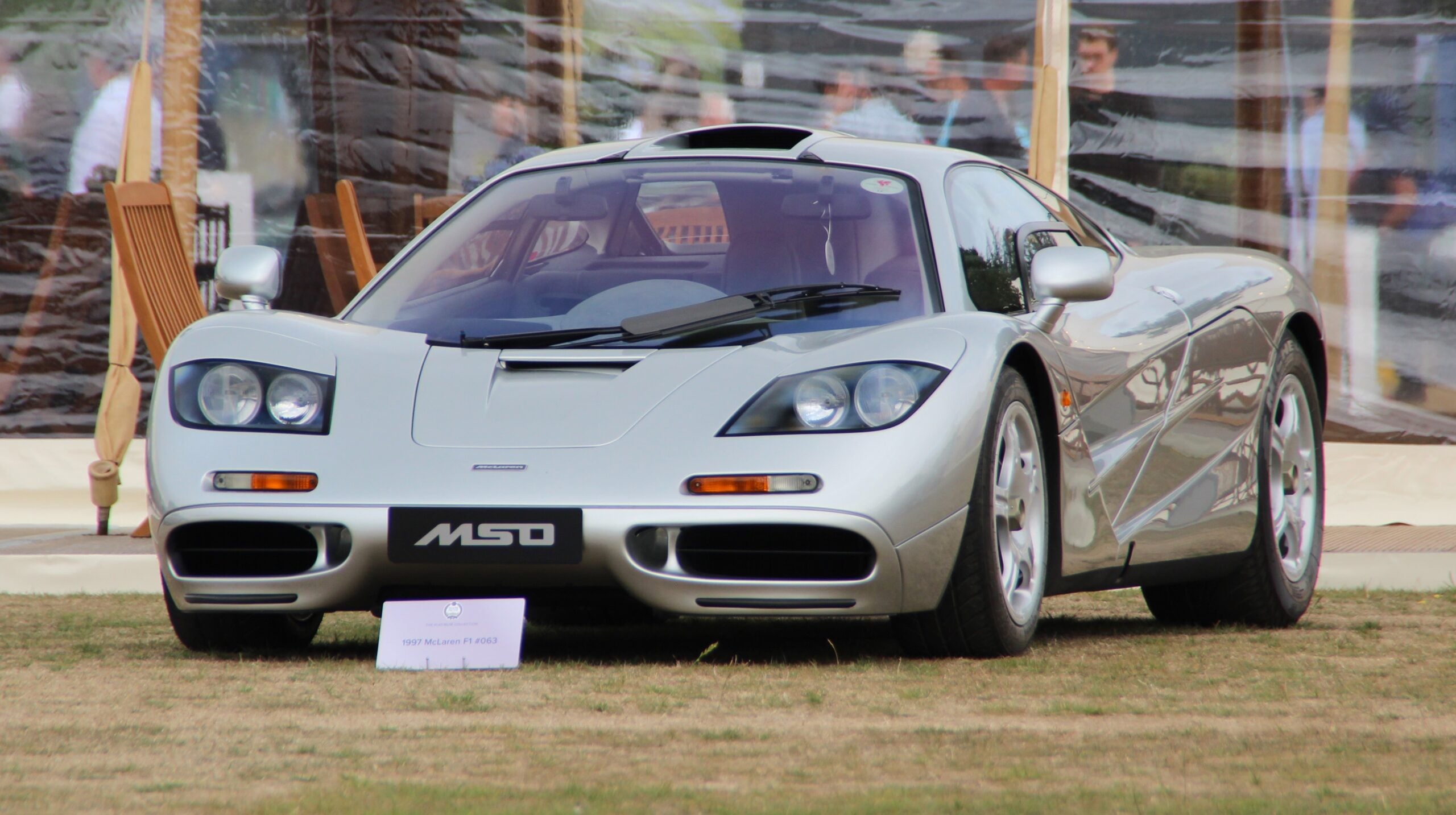


In 2016, McLaren was still using 1990s Compaq LTE 5280 laptops to communicate with the F1 supercar’s electronics. The crucial ingredients were DOS-based diagnostic software and a custom interface card.
The setup became a widely shared example of expensive machinery depending on obsolete computers. But there’s a later chapter worth including: in a 2017 interview, McLaren’s heritage manager said the original laptops had already been retired from diagnostic use.
The important part was the card inside the laptop
Jalopnik documented the setup at McLaren Special Operations in April 2016. A workshop employee explained that a bespoke CA card provided the interface between the software and the car.
The laptop itself dated to 1996. Compaq’s June 1996 white paper records that the LTE 5280 was introduced that April.
An ordinary secondhand LTE 5280 therefore shouldn’t be mistaken for a complete McLaren service tool. The specialized components mattered too.
Running old software is only part of the problem
For anyone who has brought an old PC game back to life, the obvious question is why a newer computer couldn’t take over.
Software emulation can solve some compatibility problems. DOSBox, for example, emulates a DOS environment along with processors, graphics hardware and sound cards used by older PCs. It lets many classic games run on computers they were never designed for.
But being able to launch a program and being able to communicate with an external machine are separate requirements. An emulator’s support for familiar PC components does not establish compatibility with a particular manufacturer’s custom interface card.
That is the useful lesson here for anyone maintaining older equipment: check the entire connection before assuming a software workaround will replace the original computer. The application is only one part of the system.
A rare car with a much shorter-lived service computer
McLaren’s own history of the F1 says just 106 examples were produced. Introduced in 1992, the car used a carbon-fiber monocoque and remains one of the company’s defining engineering achievements.
Jalopnik’s 2016 account put the surviving population at roughly 100 and described values of $10 million or more. Those are the report’s historical figures, rather than a current census or an appraisal of every F1.
The mismatch in useful lifetimes is easy to understand. A collectible car can justify decades of specialist maintenance. The consumer computer used to service it has a separate replacement cycle, so preserving the car can also mean preserving its tools.
McLaren had moved on by the 2017 interview
The 2016 report said a replacement interface for modern laptops was in development because the Compaqs were becoming unreliable and difficult to source.
In Road & Track’s oral history, published in August 2017, McLaren Special Operations heritage manager Henry Winkworth-Smith said the original laptops had been used for diagnostics until three months before the interview. He also recalled receiving dozens of offers of old computers after the earlier story appeared.
His account indicates that McLaren had stopped using the original laptops for diagnostics by that point. It does not specify the replacement hardware or document McLaren’s present-day service setup.
The Compaq story is still a remarkable example of how long a computer can remain useful when it performs a specialized job. For owners of older technology, the practical takeaway is to preserve the cables, interface hardware and documentation alongside the software. A backup of the program alone may leave out the part that makes everything work.
Featured image: 1997 McLaren F1 at Salon Privé 2022 by MrWalkr, via Wikimedia Commons, licensed under CC BY-SA 4.0. Resized for display.