
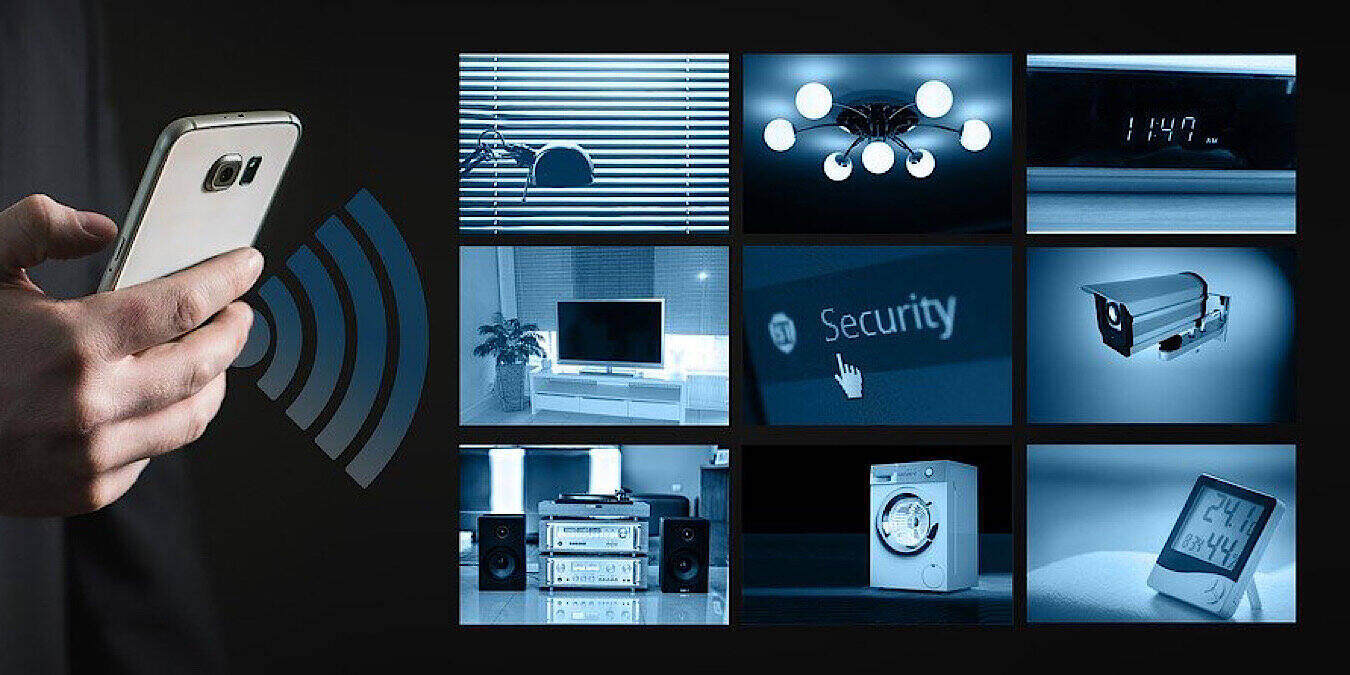

Smart home devices have undoubtedly affected our lives. Some may say for the worse, but many would probably say for the better. However, what holds them back is the lack of compatibility between the different manufacturers and vendors. Matter, expected to be available later this year, will change that.
Also read: 7 Easy Fixes for Common Amazon Echo Dot Problems
Matter to Improve Smart Home Compatibility
Begun more than two years ago as Project Connected Home Over IP (CHIP), Matter is an effort for Apple, Google, Amazon, Samsung, and Zigbee smart home devices to work together. Extending that a little further, the third-party devices those companies will support, such as Sonos and GE Lighting, will work together as well.

Your smart speaker, robot vacuum, and doorbell camera will all work together. This could be industry-changing, with almost half of the households in the U.S. owning at least one smart home device. Sure, those households with only one device do not need a platform such as Matter, but maybe having the freedom to have devices on different platforms will convince them to expand.
The goal with Matter is to have applications that run many smart home devices. I just did a quick check, and I have 27 smart home apps on my iPad, and I know I have even more on my iPhone. Sure, my situation isn’t the norm because of all the reviews I have done, but it at least shows the potential of how Matter could un-complicate my life.
Another benefit of Matter will be that the capabilities won’t necessarily require an Internet connection. Matter will also protect user privacy. Every device you have that connects to the Internet carries the potential for security risk. That Matter will keep all that locked down is a major benefit.
How Will Matter Work?
Chips from Silicon Labs and similar companies will power the Matter protocol. The Thread communication technology and Wi-FI will help Matter communicate with connected devices. New devices will be added to your home network via Bluetooth Low Energy.
Soon you will begin to see new devices and apps with the Matter logo popping up. But what about your existing devices? Will you need to buy all new devices built with the Matter standard if you want them to work together? The answer is yes and no. The plan is to do firmware updates to existing devices, but upgrades won’t be available for all of them. I
A major vendor like Amazon plans to offer firmware updates, but you have to think if you have an older Echo speaker, it wouldn’t be cost-effective for Amazon to offer an update for it. But some device companies are planning on offering gateways or bridges to translate from Matter to older devices.
In other words, it will take some homework on your end to find out which devices are working with Matter, which will be upgradeable, which will work with a bridge, and whether you should just ditch some of your older devices.
If you want to get started now setting up a smart home and don’t want to wait for Matter products to be released, find out how you can do it for under $1,000.
Image Credit: CSA