

After months of waiting, Matter 1.0 is official and ready to make your connected life much easier. It’s a new industry standard designed to leave you with better connectivity with your smart home and other IoT devices. With Apple, Google, Amazon, and more bringing their smart home technologies together, smaller companies are also signing on to Matter. It promises to be very exciting for everyone using connected devices.
CSA Announces Matter 1.0
The Connectivity Standards Alliance (CSA) was founded in 2002 and was initially known as the Zigbee Alliance. Its purpose is to bring universal open standards to the products we use. Its board of directors includes executives from Amazon, Apple, Google, Samsung SmartThings, LG Electronics, Comcast, and more, and there are more than 550 technology companies committed to the Matter ideal.

Matter was announced last March. It started as “Project Connected Home Over IP (CHIP) a few years earlier, with a goal to bring IoT/smart home devices together. Perhaps the CSA saw how complicated our lives were getting, with all of our devices having different standards, apps, and logins. After all, half the households in the U.S. have at least one smart device.
“What started as a mission to unravel the complexities of connectivity has resulted in Matter, a single, global IP-based protocol that will fundamentally change the IoT,” said Tobin Richardson, the president and CEO of the CSA. “This release is the first step on a journey our community and the industry are taking to make the IoT more simple, secure, and valuable no matter who you are or where you live.”
Bruno Vulcano, the chair of the Alliance Board and R&D Manager for Legrand Digital Infrastructure, added that they wouldn’t be at this point with Matter “without the strength and dedication of the Alliance members who have provided thousands of engineers, intellectual property, software accelerators, security protocols, and the financial resources to accomplish what no single company could ever do on their own.”
The Matter 1.0 release brings eight authorized test labs, test harnesses and tools, and the open-source reference design software development kit. The companies in the CSA with existing devices can now update them once they are certified.
Matter will be tested on the devices along with Wi-Fi and Thread. Wi-Fi is, of course, necessary for the devices to connect and communicate, while Thread brings energy efficiency and a mesh network within the home. There is also an effort to ensure device users are using certified devices.
How Will Matter Affect Our Smart Homes?
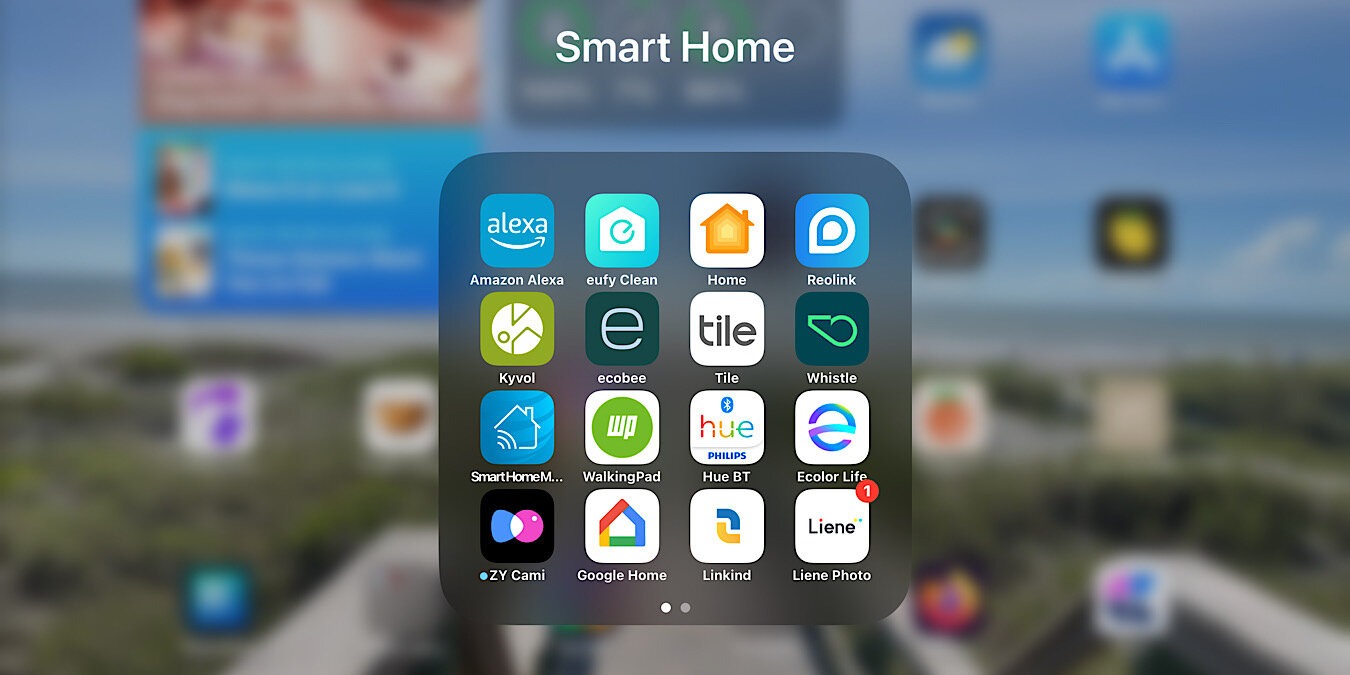
As I noted when I published the news about Matter on March 1, the goal is to have applications that run many smart home devices. I had 27 smart home apps on my iPad at that time, a figure that is certainly bolstered by the product reviews I have done. I just counted 30 on my iPhone, even though I recently cleaned out a few apps. Matter would certainly uncomplicate my smart home.
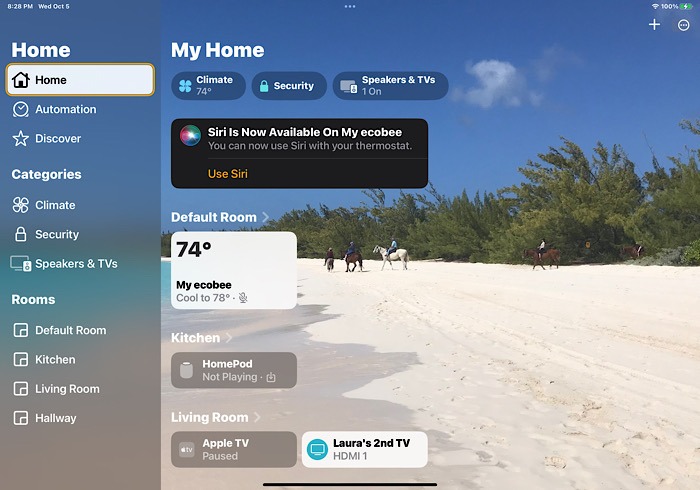
Along with fewer apps, I hope there is a unified device pairing. They all pair differently, some much easier than others and some more confusing as well. Getting a new robot vacuum, video doorbell, or smart speaker, you’re just never sure what you’re in for to pair it to your existing system. To have a unified pairing process would simplify the process greatly.
To also have the knowledge that the devices have been certified will help as well. That could spell trouble for the smart home device manufacturers who have not signed on to be a part of Matter. Perhaps it will be similar to the security felt with an HTTPS website rather than HTTP.
The manufacturers that didn’t sign on to Matter may be regretting that choice soon. What hasn’t been answered is whether the manufacturers who have not joined CSA can change their minds. Hopefully they can, as it will only lead to better options for consumers.
All screenshots by Laura Tucker