
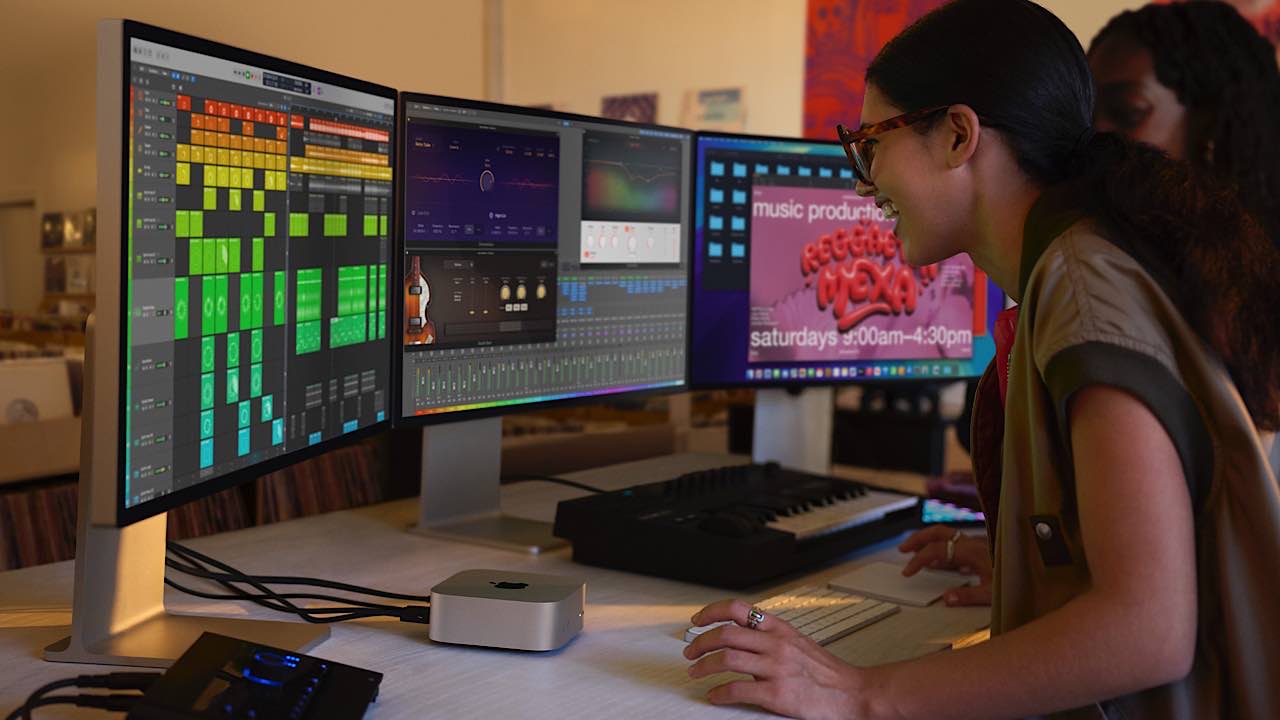

Whoever said good things come in small packages is right, and apparently fast things do as well. Apple released new Macs in October, and the M4 Mac minis are super speedy. While the base Mac mini with M4 is certainly fast, the Mac Mini with M4 Pro will now be the fastest desktop Mac in Apple’s lineup.
Geekbench Scores Show True Speed of Mac Minis
Geekbench 6 put the Mac minis to the test, and they scored very well. So well, in fact, that these tiny little desktop units beat the Mac Studio and Mac Pro, both of which have the M2 Ultra. The M4 is just a superfast processor. It also happens to be the same processor that’s in the iPad Pro I’m writing this article on.
The top of the Mac mini line, the M4 Pro, has single-core scores that top 3,700, while multi-core scores approximately 22,000. It smokes the previous fastest Mac desktop, the M2 Ultra, as far as raw CPU performance.
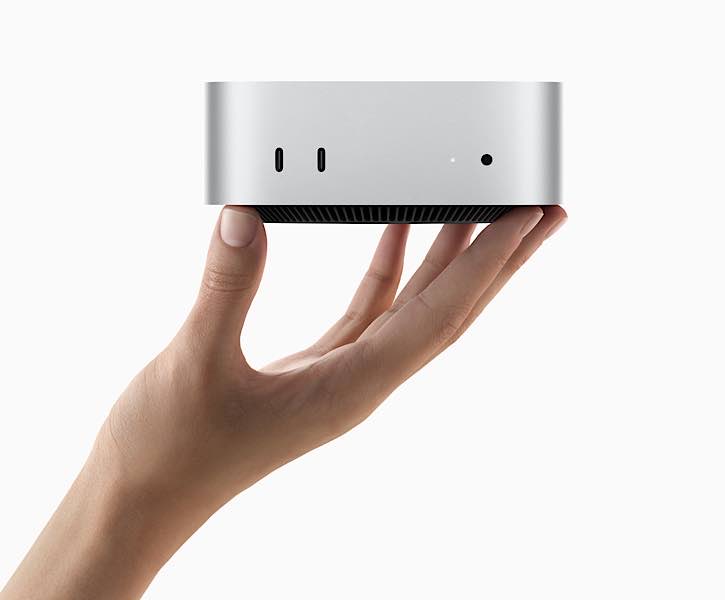
The mighty Mac minis have certainly come a long way from the 2011 Mac mini that I had. That was slow as molasses and had much to do with my resolve to ditch Macs and work solely on iPads. My MacBook taking a shower accidentally in the kitchen had something to do with it as well.
The numbers for the Mac minis with the M4 echo those from the iPad Pro with the same chip, but the minis have slightly higher numbers because of the higher thermal ceiling.
From a real-world experience, I can say that the iPad Pro with M4 is certainly very fast, but I don’t get to see the power often, as my Internet needs to be updated. Suffice it to say, if I’m waiting at all, it’s because the Internet is taking it’s time, not the tablet.
Good to know: trying to decide whether you can make do with a Wi-Fi-only iPad? We can answer that.
Apple’s M4 Performance Leads to Higher Price
The reason to opt for a Mac mini is the low price. You can get them much cheaper than a MacBook. They are really cost effective, as you just have to add a monitor and keyboard, and either a trackpad or mouse.
The new Mac minis are available for preorder and can be bought in stores worldwide starting November 8. Also available with be the new MacBook Pro and new iMac, both with M4. While there are no Geekbench scores yet for them, it’s expected that the new MacBook Pro will go on to best the Mac mini with M4 lineup.
The MacBook Pro with M4 starts at $1,599 a month for the 14-inch and goes as high as $3,499 for the 16”. This is still quite a bit more than the Mac minis. The new iMacs range from $1,299 to $1,699. The cheapest Mac mini will set you back $599, the same price previous models have been, while the Pro will cost you $1,399. The iPad Pro with M4 starts at $999.
Basically, anything with Apple’s M4 chip is going to zoom through the tasks you assign to it. But Macs weren’t initially thought of as powerful. They were thought of as the computers you used to create, not crunch numbers. They’ve come a long way, just as PCs can now create just as well and are no longer just for crunching numbers.
If you’re looking to zoom through your tasks, pick up anything with an M4. Now we need to hear what users think of the new desktop and laptop M4s and whether they’re worth the price paid. I can tell you that the iPad Pro with M4 is. If you’re going to try to make do with your current Mac, learn how to clear the other storage.
Image credit: Apple