


As predicted last month, iOS will be instituting a new feature, USB Restricted Mode, that will make it impossible for the police to crack an iPhone. It first appeared in the iOS 11.3 beta, and now it’s in the iOS 12 beta, with Apple confirming it will be in a final iOS release, most likely iOS 12. Predictably, police aren’t very happy about Apple’s commitment to lock up iPhones.
USB Restricted Mode
This all became an issue after a mass shooting in California where the police wanted to look through the deceased shooter’s iPhone for clues, but it was locked. They asked Apple to provide them a backdoor, and they were refused.
This led to some enterprising tech companies developing devices to specifically crack iPhones. A popular one is GrayShift’s GrayKey. They’ve been marketing the device to police and federal agencies. The device plugs into the lightning port and allows them to use more passcode attempts than intended without the phone locking up.
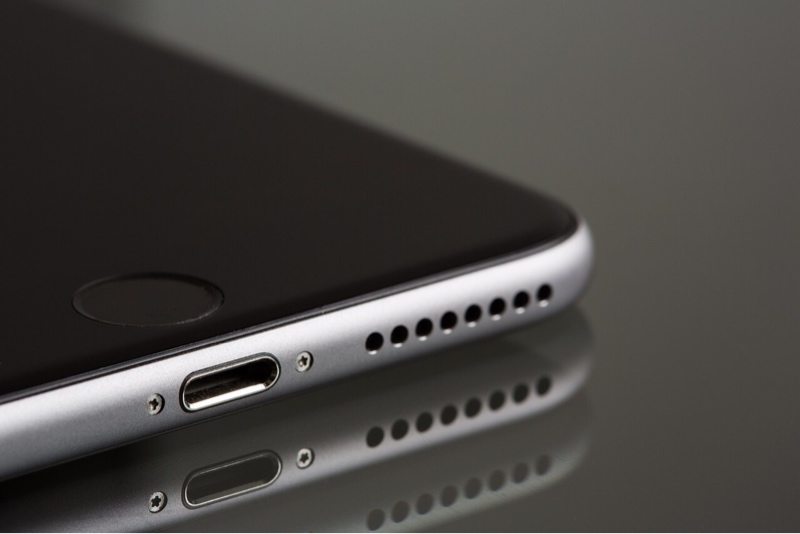
What USB Restricted Mode does is limit access to the locked phone when it’s plugged into another device. By default, the lightning port will lock one hour after the phone is locked. Only charging will be possible through the lightning port after that one-hour time, meaning police can’t download data.
“We’re constantly strengthening the security protections in every Apple product to help customers defend against hackers, identity thieves, and intrusions into their personal data,” read an Apple statement.
“We have the greatest respect for law enforcement, and we don’t design our security improvements to frustrate their efforts to do their jobs.”
Despite that, many, many law enforcement agencies are already using GrayKey, a device they paid $15,000 to $30,000 for. But Apple is about to make it useless.
Police Reaction
Predictably, the police aren’t too happy about losing their access. Just when they found that access they’d been looking for through GrayKey, Apple is pushing them out again.
“If we go back to the situation where we again don’t have access, now we know directly all the evidence we’ve lost and all the kids we can’t put into a position of safety,” said Chuck Cohen, the leader of an Indiana State Police task force on Internet crimes against children.
The Indiana State Police claims to have unlocked 96 iPhones, each time with a warrant, and they did so using the GrayKey that they bought in March.
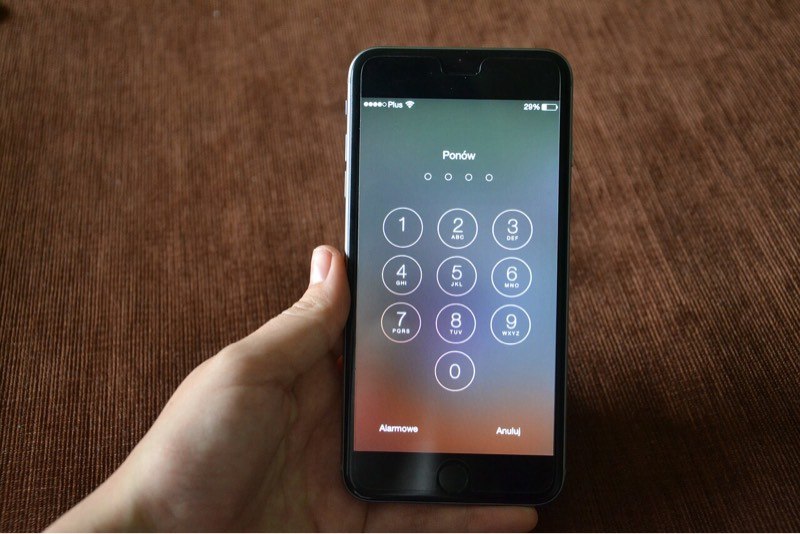
Hillar Moore, the district attorney in Baton Rouge, Louisiana, paid a company called Cellebrite, an Israeli forensics firm, thousands of dollars to unlock iPhones in five cases, with one of those being the gazing-related death of a fraternity pledge.
The unlocked phones yielded crucial information to the investigations, leaving him upset that Apple is closing up that loophole. “They are blatantly protecting criminal activity and only under the guise of privacy for their clients,” he said.
Damned If They Do; Damned If They Don’t
Apple’s in a situation where they can’t make everyone happy. If they provide a way to unlock their phones, their customers aren’t very happy that they’re not protecting their data, and that’s not a game you want to play right now with all the trouble companies are getting into from collecting data.
But if they make their users happy and keep their iPhones locked, then they stand to upset law enforcement, potentially leaving criminals on the street longer.
There’s no right solution, but it’s clear Apple has chosen their users by instituting USB Restricted Mode in a future release. Do you think Apple is making the right choice? Let us know in the comments section below.