
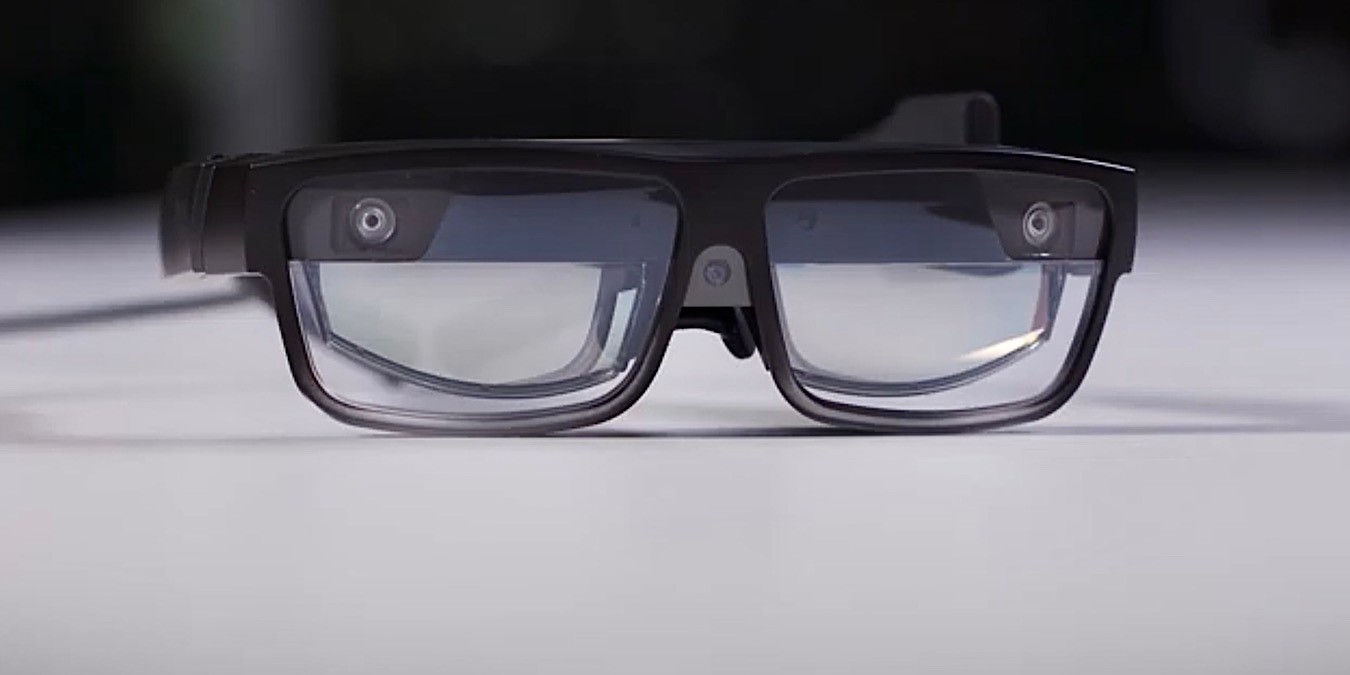

We’ve seen many smartglasses come and go. But each time, they seem less and less exciting, with a nod to previous entries in the market never catching on and taking over the wearables market. Nevertheless, Lenovo is stepping in with something a little different, as the ThinkReality A3 smartglasses will be aimed at business travelers and remote workers.
Lenovo ThinkReality A3
The most famous failed smartglasses project is the Google Glass. They had a long much-heralded debut in 2012, and in the end, they fizzled out in 2015.
Building off its success with the ThinkPad laptops, Lenovo is calling its new smartglasses ThinkReality A3. The new device was unveiled during the annual Consumer Electronics Show, which is online this year instead of being in Las Vegas. The thick black-rimmed glasses have a camera that transmits video.
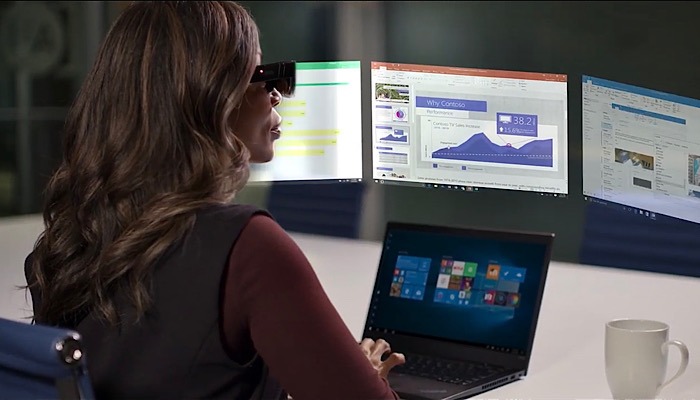
A Qualcomm processor is built in, but the A3 also connects to PCs or mobile devices via USB-C for additional power, according to Nathan Pettyjohn, Lenovo’s commercial AR/VR lead. The glasses are capable of projecting up to five virtual screens for only the user’s eyes, allowing them to work on documents or view videos that appear to be suspended in front of them in midair. A mouse, trackpad, or keyboard would still be necessary for controlling items on the virtual screens.
It’s bad news for users of Apple products. At launch, ThinkReality A3 will only work with Windows computers and Lenovo’s Motorola devices.
Intended Use of the Lenovo Smartglasses
While the Lenovo smartglasses users were intended to be business travelers, during the global health crisis, the company shifted the focus. With business travel shut down, Mike Lohse, Lenovo’s senior product manager for commercial AR and VR, explained that the ThinkReality A3 are “also very useful for the work-from-home folks who cannot set up two or three big monitors on their kitchen table.”

If a mobile device is connected, the Lenovo smartglasses can make great use of 5G networks that would allow data transfer up to 100 times faster than an average 4G connection. It will allow virtual reality images to be sent to someone wearing the ThinkReality A3.
It seems Lenovo is trying to head off potential problems before they start. It’s noting already that the main camera in the A3 is for “remote expert use cases,” such as the wearer sharing their view with another person and that they are not for photographing others who are unaware they are being filmed.
Lenovo executives claim the ThinkReality A3 are different than other smartlgasses that have hit the market in the past. They claim they are more capable and more useful. The A3 are expected to go on sale mid-year.
Read how the Microsoft HoloLens was similarly repurposed as a device for businesses.
Image Credit: Introducing the ThinkReality A3