
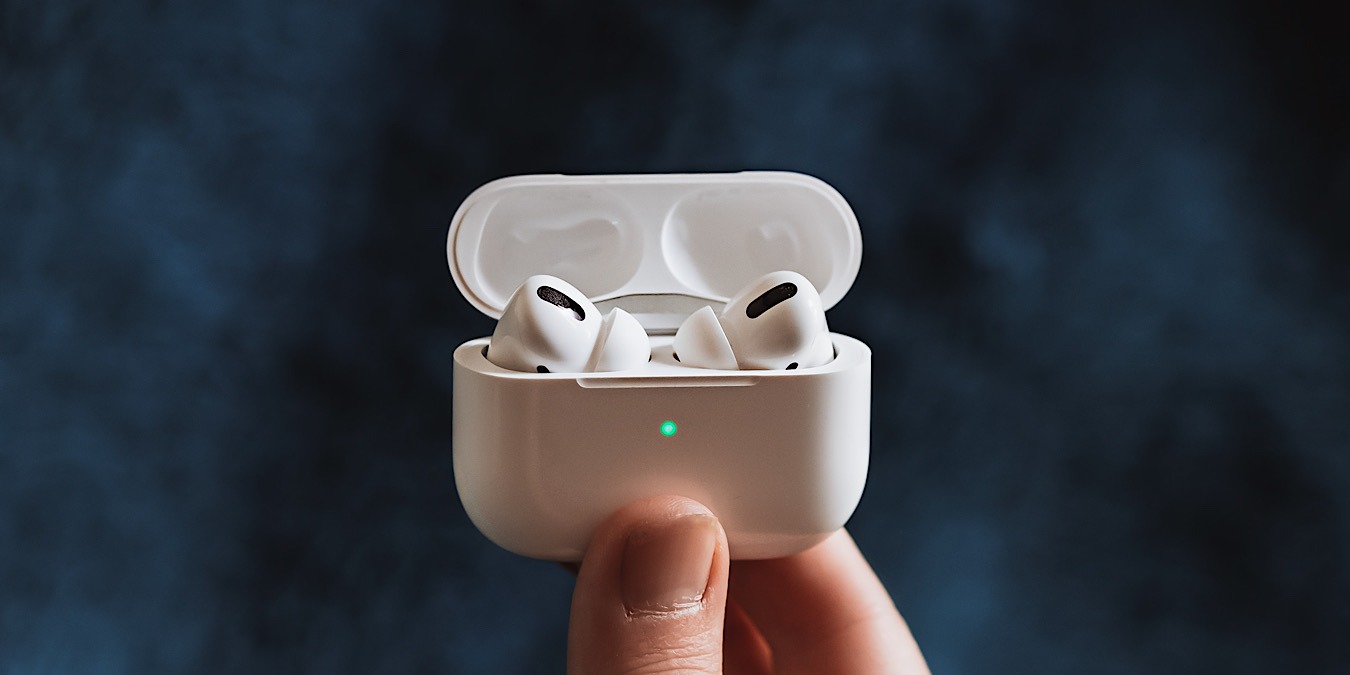

There are many lawsuits filed in U.S. courts, with frivolous legal filings a known commodity. A lawsuit was filed against Apple, accusing the Cupertino tech giant of being negligent after a teen suffered permanent hearing loss from a notification delivered through his AirPods. The question at hand is whether this is a frivolous lawsuit.
Also read: How to Use AirPods on Android and Windows
Teen’s AirPods Injury
B.G. Ariana Reyes had just turned 12 years old when his AirPods were purchased at a Texas Apple Store. The Apple earbuds had been on the market for just a month.
Just under six months later, B.G. was watching Netflix on his iPhone while wearing the AirPods. The lawsuit claims he was listening at a low volume. An Amber alert – a notification sent when a child is missing in the area – went off suddenly. The lawsuit stated it was “at a volume that tore apart B.G.’s eardrum, damaged his cochlea, and caused significant injuries to B.G.’s hearing.”

The lawsuit goes on to further explain that “as a result of the damage to his right ear, B.G. has suffered from bouts of dizziness, vertigo, and nausea. At 12 years old, B.G. suffered sudden and permanent hearing loss in his right ear, other significant and temporary or permanent injuries, pain, suffering, and the loss of the pleasures of life as a direct result of Defendants’ defective AirPods.”
Additionally, the lawsuit claims B.G.’s hearing loss in his right ear “continues to persist.” He’ll require follow-up visits, testing, and monitoring. The teen will also need the use of a hearing aid for the rest of his life. The legal filing claims he also suffers from tinnitus, despite previously having normal hearing.
Parents File Lawsuit Against Apple
Carlos Gordoa and Ariani Reyes, parents of B.G., filed a lawsuit on his behalf against Apple, accusing the company of gross negligence and fraud, complaining that the AirPods were defective.
The complaint states that Apple’s popular earbuds “do not automatically reduce, control, limit, or increment notifications or alert volumes to a safe level.” It goes on to say that all this is “while the user incorrectly believes that the AirPods are working as intended.”
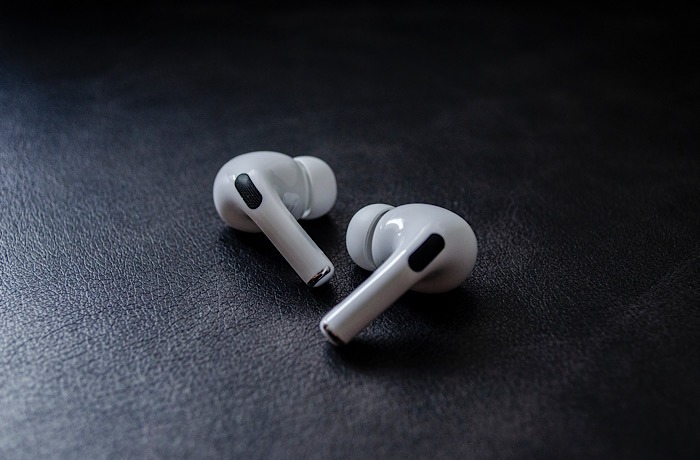
The “stated fitting instructions” of the AirPods are called out in the complaint as well, noting they create “an unreasonably dangerous environment.”
Apple is accused of being aware of “design, manufacturing, or marketing defects affecting the AirPods via numerous complaints.” The lawsuit also claims the company ignored the issue “1538 times as of April 12, 2019,” pointing to user complaints in a community forum on Apple’s website.
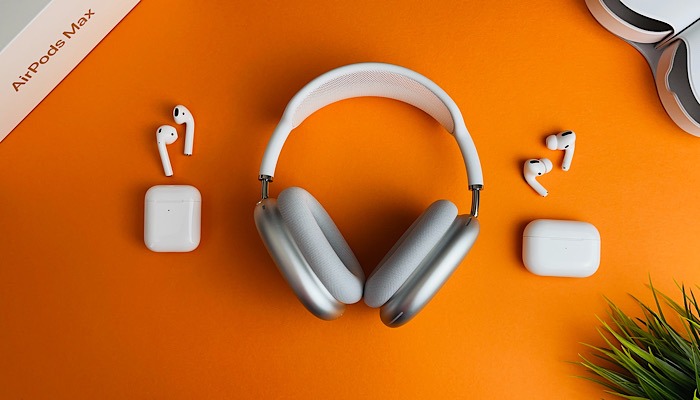
It’s important to note that the date of the complaints was before AirPods Pro went on sale. It’s assumed that they are referring to regular AirPods. The complaint notes the existence of AirPods Pro and AirPods but never stipulates which B.G. owned. It seems reasonable that he owned AirPods Pro. AirPods Max are over-the-ear headphones that went on sale in 2020.
“The boy’s life has been severely altered because Apple did not provide a warning about the volume levels of its AirPods, leading to his permanent hearing loss,” the family’s attorney, Tej Paranjpe, said in a statement.
The lawsuit further mentions that “the concern on B.G.’s face was palpable, and the concern was immediately felt by his father. As a result of B.G.’s injuries, Mr. Gordoa reasonably suffers from severe emotional distress beyond that, which would be anticipated in a disinterested witness and/or beyond that, which an ordinary, reasonable person would be able to cope.”
Again, the question here is whether the AirPods lawsuit, claiming the company is grossly negligent and fraudulent, is frivolous. If you’d rather avoid the whole mess, check out these AirPods alternatives.
Featured Image Credit: Unsplash