
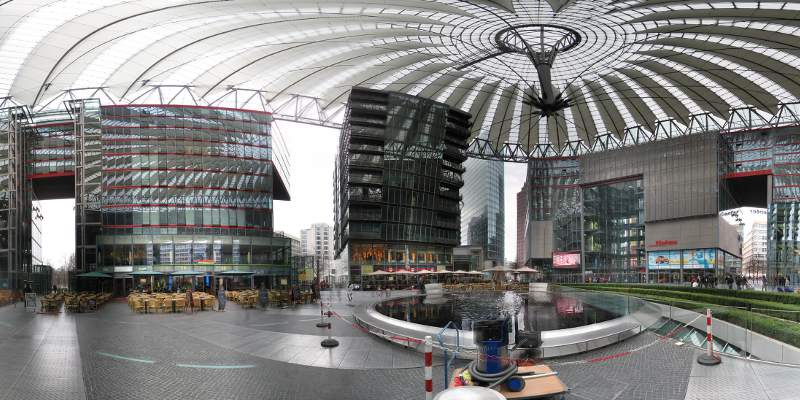

Photography has changed and grown so much and so rapidly in the last few years. Among the newest and most vibrant of these innovations is 360º photography. In this article we will walk you through everything you need to know about 360º photography (and of course video) and how you can get into this amazing new imaging format for yourself.
All Around View
There are essentially two ways you make a 360º image: 1) a single photo with a very wide angle lens or pair of lenses, and 2) by taking a lot of pictures and stitching them together.
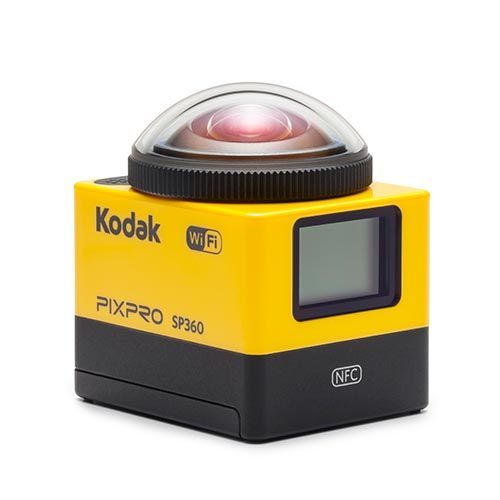
In recent times there have emerged a range of cameras which have super wide angle lenses of 180º or greater, which is a wider angle of view than you can even see with the human eye (in most people that amounts to around 160º-170º). Cameras like the Kodak SP360, for example, have a single super wide angle lens on the top of the camera, rather than on the front, and it takes in an amazing 360º horizontally and about 214º vertically. This means that there is some information missing at the bottom of the image where the body of the camera is. (Buying through this link may earn us a commission, at no extra cost to you.)
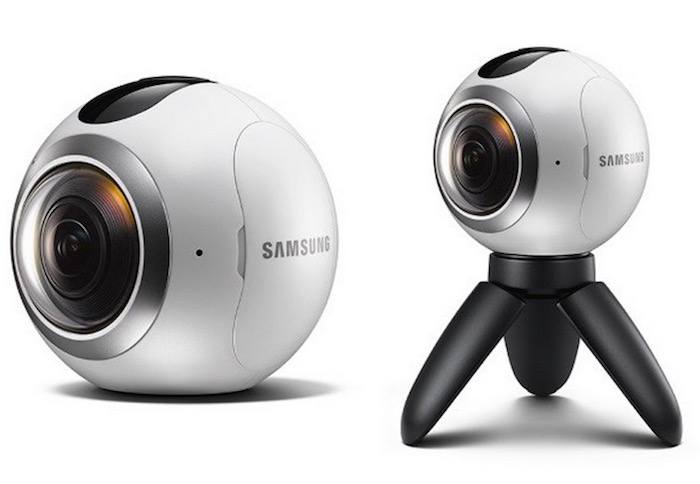
The way you get around that and have a true 360º x 360º image which goes all around the field of view is to have two lenses back to back, and this is indeed how it’s done with cameras like the Samsung Gear 360. The lenses view wraps around the camera providing a mostly uninterrupted view. Obviously the tripod or the person holding the camera is also in the shot.
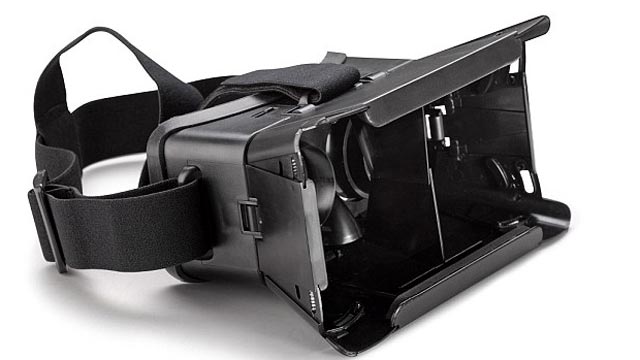
Once you have taken stills or videos with these cameras, you can view them on a phone or computer. Obviously on a phone you can look around the image by moving the phone around 360º, employing the internal accelerometers and gyroscopes in the phone to orient the image and allowing you to “look around” the 360º image.
This becomes even more fun when you put the phone into a VR style headset so you can use your head to look around the imagey which is much more “immersive” as they say.
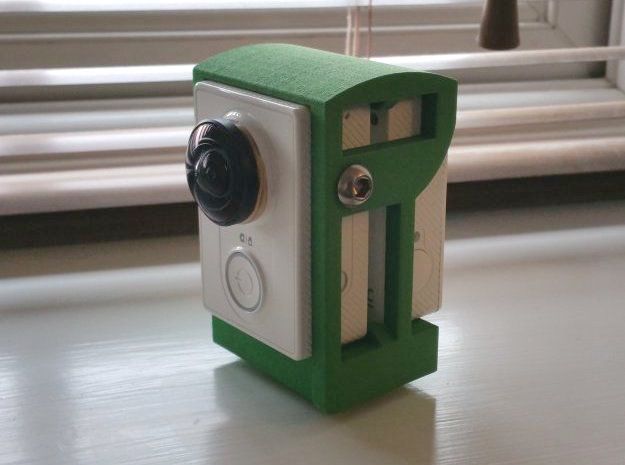
These are the simplest options, either one or two lens 360º cameras. There are advanced options for twin lens 360º imaging, such as the Brahma Duet from Brahma360.com, which employs a 3D printed rig, specially adapted lenses and special software to sync the cameras and stitch the images in real time.
Multiple Pictures Single Camera
The more professional way to make 360 images is by taking multiple images with a single camera on a tripod and stitching them together with special software, like Hugin. This is very laborious work. You have to take pictures in a circle, rotating the camera and making sure all the pictures overlap. It’s very fiddly and time-consuming, which begs the question, why would you do it this way when you can do it with one hit and a single 360º lens?
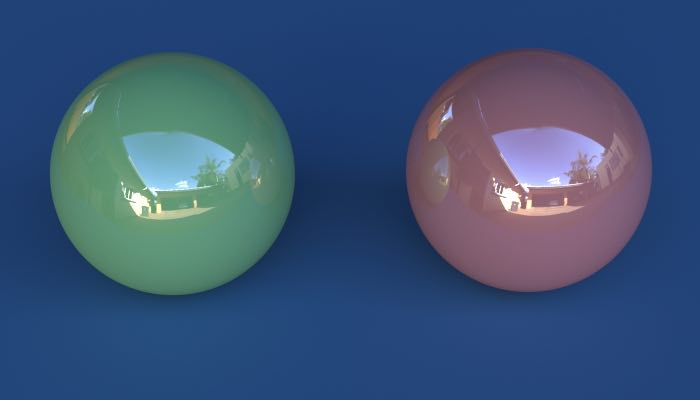
For a start, the resolution of the finished image will be much, much higher than is possible with a single 360º lens camera, and you can also do technical things like make 360º High Dynamic Range images for naturalistic lighting of 3D graphics (a subject we touched on in this previous article).
Multiple Cameras Single Pictures
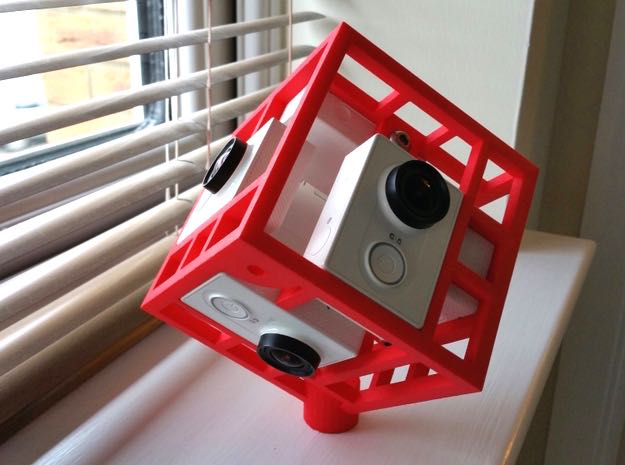
The most advanced version of this technology is to have multiple action cameras in a 3D printed (or commercially-produced) rig, and stitch the photos together. The stitching is done with special software which also synchronizes the cameras to take the images at the same time. You can also use these rigs to make very high res VR video.
Conclusion
360 photography is an amazing leading edge imaging technology and still being developed as we speak, even though there are already a lot of commercial products out there from manufacturers jumping on the bandwagon. The most exciting and leading edge area is, of course, the DIY multi camera Virtual Reality applications we touched on just now, but that’s a bigger and more professional subject outside the scope of this article which we’ll perhaps revisit another time. There are plenty of ways to get your hands dirty with 360 before going that far.
As always, thanks for reading, and if you have any questions or comments, please share them below.
Image credit: Wikimedia Commons