
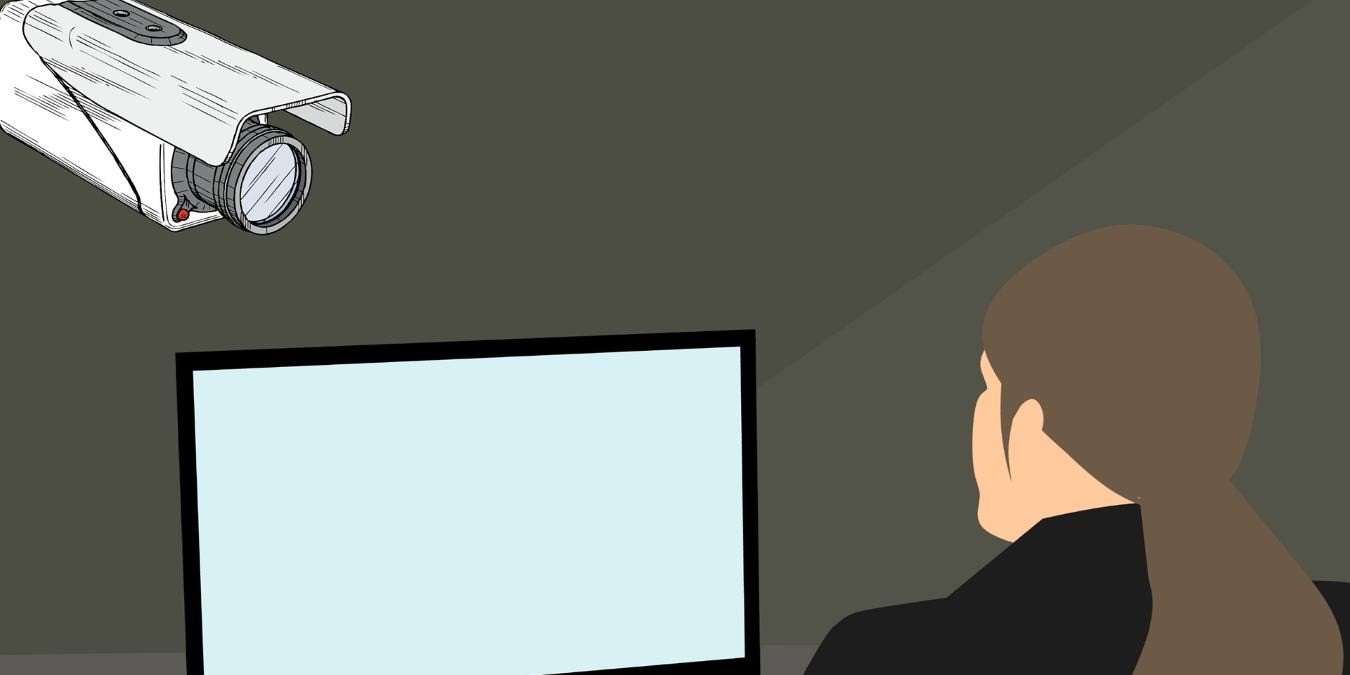

If you look for computer monitoring tools on a search engine, you’ll see a range of tools designed to keep tabs on employees. These typically include some worrying features, such as the ability to track someone’s activities without them ever knowing. But how legal is this, and can a boss get into serious legal trouble if their monitoring is discovered?
Also read: Privacy Experiment Shows Websites Are ‘Fingerprinting’ You
What Kind of Monitoring Can Happen?
Employers will typically monitor employees for one of two reasons. For one, they want to protect business assets. When a company owns a building and gives resources to their employees, they want to ensure nothing gets stolen or damaged. This includes tracking the location of employees and products but can also mean monitoring email to prevent data leaks and breaches.
Another reason is that the boss wants to monitor the productivity of the employees. This involves spying on what the employee is doing during work time. This can include keylogging, webcam spying, and monitoring active applications.
How Legal Is the Monitoring?
When breaking down how legal this monitoring is, there are many variables involved. For example, different countries will have different ways of approaching this grey area.

You’ll find that laws typically side with the business when it comes to protecting assets. For example, if a business logs emails made on its work email accounts to prevent information leaks, that would be legal. Similarly, if a business wants to use CCTV to protect against thieves, they could.
Things get a little murkier when it involves spying on how a worker uses their company computers. Typically, if an employer can see what you’re doing by watching over your shoulder, they can log it. This includes the websites you visit and the applications you use.
The grey area comes in when the employer hides these tracking apps from the employee. In most U.S. states and some countries like the UK, it’s totally legal for a boss to install monitoring software without the employees knowing. Connecticut, Delaware, and some countries demand the employer tell their workers what’s being monitored and for what purpose.
Employers also enter a grey area with GPS tracking on equipment. They can argue that installing GPS on a laptop helps retrieve stolen goods, but it could also be used to track employees after work to see what they do. As such, an employer may need to put forward a strong defense for GPS monitoring – that is if such a thing is even legal in the country they operate in.
When Monitoring Goes Too Far
So we can see there’s a good chance that employees in your country can and will monitor workspace equipment. However, this doesn’t give them free reign over what they can monitor and store about you.

For instance, things get illegal when the employer tries to push their monitoring into employees’ private lives. For instance, if you use a work PC during a break to check your email, the employer can legally see that you visited your email provider but can’t go through your emails.
Similarly, any monitoring that does occur has to have a business reasoning behind it. If an employer monitors your phone calls to ensure you’re meeting company protocol, that’s acceptable. However, if an employer monitors someone with a speech impediment and saves recordings to share with his friends for a laugh, that’s illegal.
Monitoring Made Legal
While employee monitoring software features may seem intrusive, the truth is that employers can legally monitor a lot. As long as it’s related to the operation of a business, employers have a lot of freedom; however, as soon as it breaches into unprofessional spying, the employer works against the law.
Do you think employers should inform their employees of monitoring software by law? Or is it an effective way to prevent misuse of property in the first place? Let us know below.