
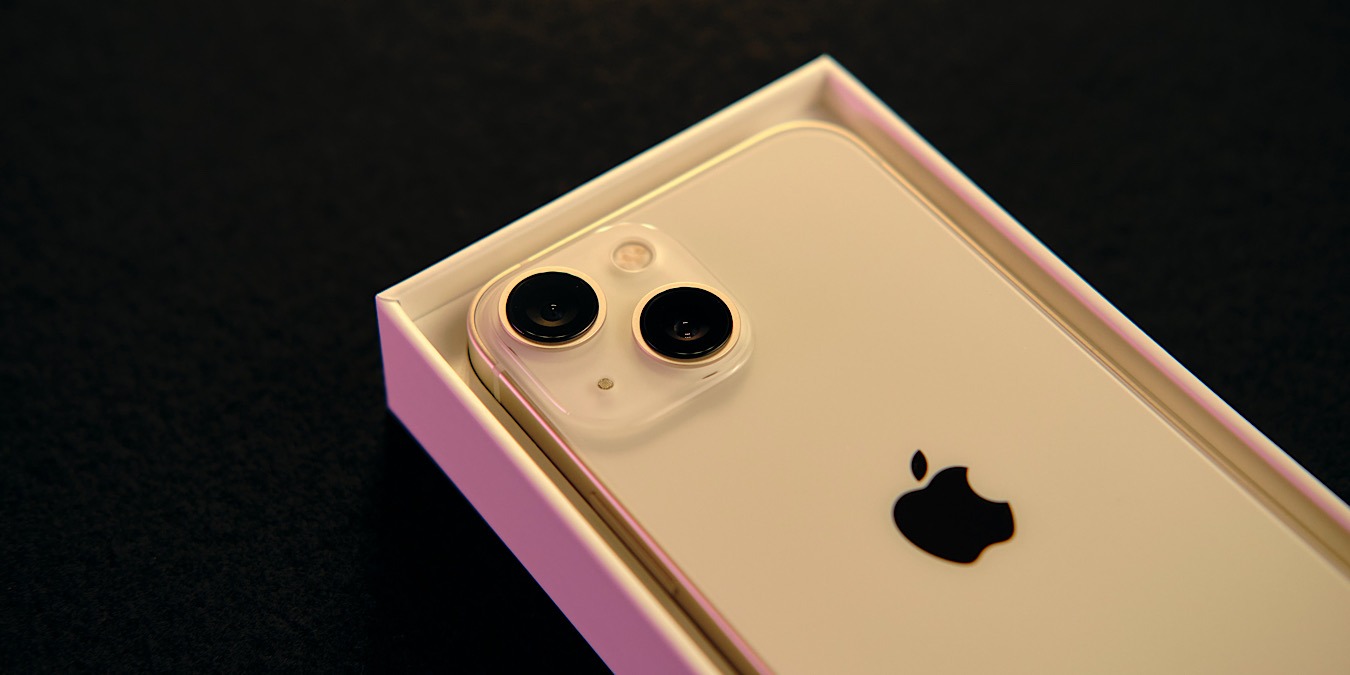

It’s too bad Steve Jobs isn’t around to see this. The smartphone he introduced has more sales than any other smartphone, including any brand that runs Android. Consistently, there have been more iPhone shipments and sales in the United States than even Samsung had.
iPhone Outsells Samsung Smartphones
New research was released showing the number of iPhones shipped. iPhone shipments seem to have increased exponentially throughout the world. When you break it down by manufacturer, Counterpoint research shows that Apple is the clear winner.
Samsung is still the clear winner of the Android smartphones, in a category all its own, with its closest Android competitor Lenovo, which is sometimes in single digits for market share.
Counterpoint breaks these numbers down by quarter. Not surprisingly, Apple’s numbers are always best in the 4th quarter, just after the release of that year’s new iPhone models. In 2021 Q4, for example, 56% of all smartphones sold were iPhones after the release of the iPhone 13, while 22% of sales were Samsung.
Yet, in Q3, only 47%, less than half, were iPhones, and 34% were Samsung. Go back another year, and in 2020 Q4, a whopping 65% of the smartphones shipped in the U.S. were iPhones, while only 16% were Samsung.
In 2017 Q4, Apple had 44%, Samsung had 19%, LG 14%, Motorola 5%, and all others 18%. Roll back to Q2 of that same year, and it was a little more equally distributed. Apple only had 28%, while Samsung had 31%, LG 15%, Motorola 2%, and all others 24%.
New iPhones this Week
The [literal] million dollar question on most people’s minds is how the numbers will be affected by the new iPhones that are being released this week. Apple is holding an event on September 7, with most assuming that they will release several variations of the iPhone 14, along with iOS 16.
Despite the iPhone’s good numbers, it has been declining in sales. The numbers show, though, that they’re not really moving from the iPhone to a Samsung smartphone, so it’s probably more that people are keeping their phones longer than two years, the old contract standard, as the prices rise.
While there were 231.5 million iPhones sold in the U.S. in 2015, the next year, there were only 215.2 million sold, with the number decreasing to 195.6 million by 2019. By 2021, the number sold finally surpassed 2015’s figure: 237.9 million were sold in the U.S. in 2019.
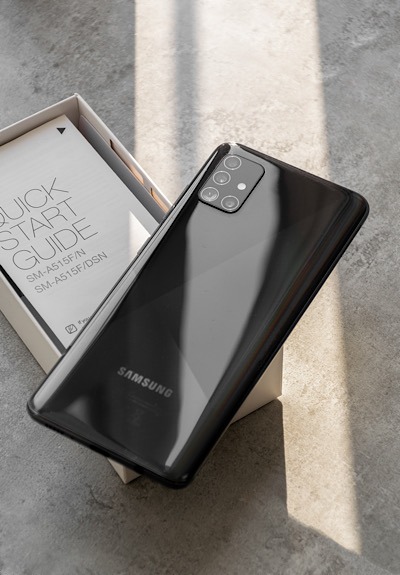
We won’t know until the numbers are released in Q1 2023 whether the iPhone 14 is successful enough to beat the 2021 number. Yet, the new iPhones will most likely continue to lap Samsung and all other brands.
Samsung seems to be shooting itself in the foot, too, with regard to its sales. It was forced to pay out $14 million after a lawsuit was filed over its claims that the phones were water resistant. Earlier this year it was also discovered that Samsung could be intentionally throttling apps, and some older Galaxy models were found to have a security risk.
These Samsung news stories open the door for Apple to come in strong with the iPhone 14. Time will tell whether the Cupertino company can take advantage of the situation.
Image credit: Unsplash