
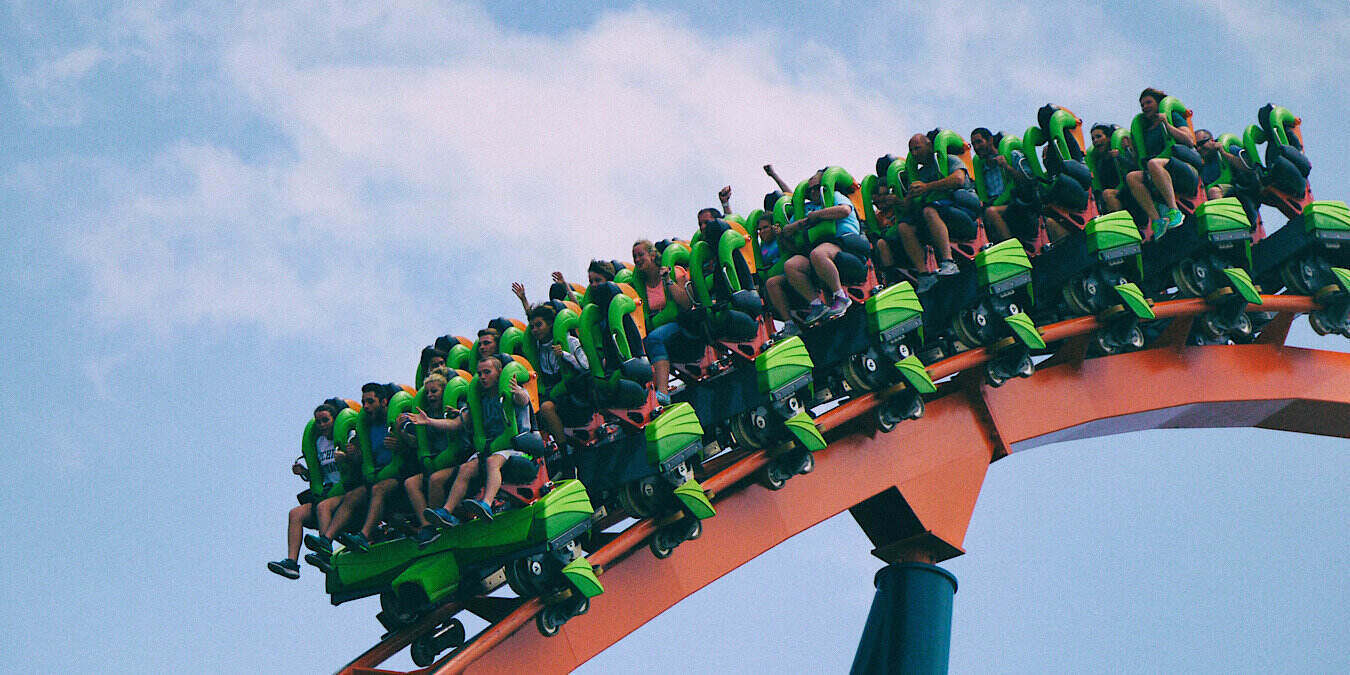

Not even a month after the release of Apple’s new iPhone 14 series, the phones are already making headlines for a feature that works a little too well. The feature in the new phones is meant to detect car crashes and alert emergency workers. While it works as intended, the feature also triggers false reports by notifying 9-1-1 that iPhone 14 owners have been in crashes while riding roller coasters.
Also read: How to Use the Dynamic Island on iPhone
iPhone 14 Series Crash Detection
The new iPhone 14 feature is meant to notify 9-1-1 call centers and a user’s emergency contacts after involvement in a car crash. This feature, which is also on the Apple Watch Series 8, has great intentions, and all are good.
The new iPhones, which were first announced on September 7, 2022, detect changes in the environment to determine that a car crash has occurred.
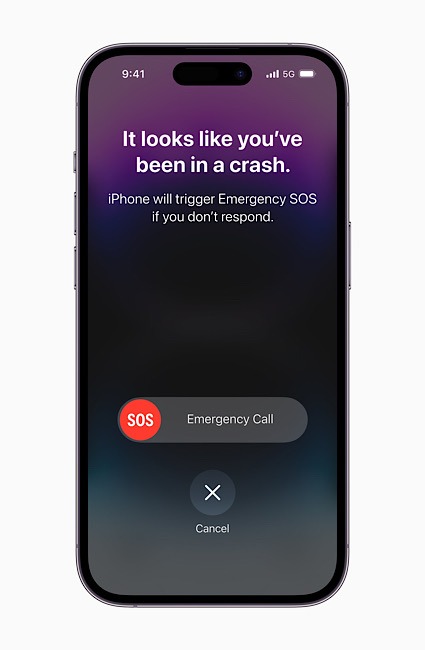
Sudden shifts while accelerating or decelerating, up to 256 Gs, are sensed by a G-force accelerometer, and a high dynamic range gyroscope detects sudden changes in orientation. Extreme sound levels are recorded on the microphone, and pressure changes are detected by the barometer when the airbags are deployed.
Apple used public crash data from real accidents to create the Crash Detection feature and make it as accurate as possible. One million hours of all types of crashes, including rollovers, were tested to create the algorithms used in the feature.
In addition, the iPhone 14 series allows you to send emergency SOS messages via satellite when you’re in a desperate situation. The phone asks the user questions to help determine the severity of the situation, then shows them where to point their phones to connect through a satellite. The phone will connect, then send the answers, user’s location, Medical ID, and battery level to a 9-1-1 call center.
While it can be hard for a user to be found in a remote area that doesn’t have cell service, the Find My feature will share their location via satellite.
iPhone 14 on Roller Coasters
It didn’t take longer for iPhone 14 users to realize that false crash detection reports could be sent to 9-1-1 centers when they were riding roller coasters. It’s happened on at least two different roller coasters since the iPhone 14 debuted: the Mystic Timbers at the Kings Island amusement park near Cincinnati and the Joker at Six Flags Great America near Chicago.
The users have their phones in their pockets, bags, etc., so the devices take the amusement rides with them. Emergency personnel probably aren’t so amused, though.
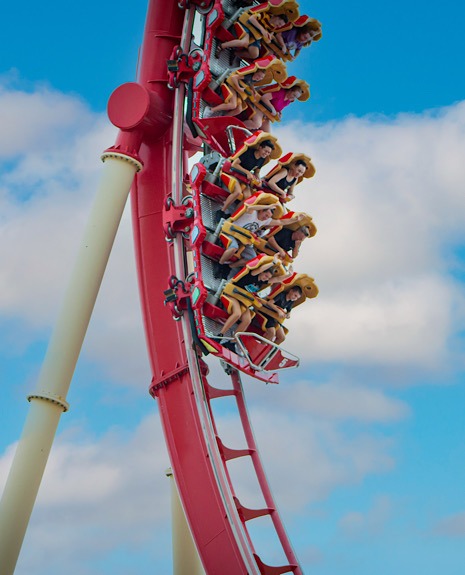
The Crash Detection feature has been triggered on these roller coasters and prompted calls to 9-1-1. A voice message is sent to a dispatch center that says, “The owner of this iPhone was in a severe car crash and is not responding to their iPhone.” It also gives latitude and longitude for the user’s location. In one such call, screams and theme park music can be heard in the background.
When first responders show up, however, they find that the user is not in distress. The feature has also caused unnecessary alarm to go out to friends and family of the thrill seekers. These alarms can also be sent if the phones are dropped while driving.
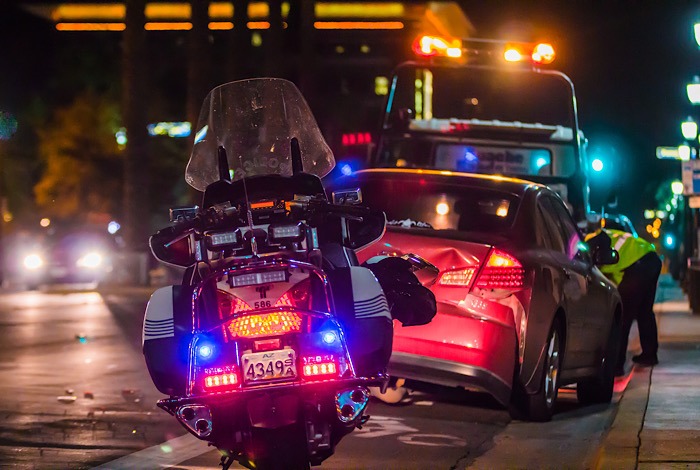
Not that the feature is always sending false reports. In this short time since the iPhone 14 was released, it has also notified 9-1-1 call centers of a fatal car crash in Nebraska. With no witnesses to the crash, a car hit a tree. Unfortunately, all six members inside the vehicle died at the scene or later at a hospital.
If you don’t want to be bothered by false reports, you can disable the feature, but this could be a life-or-death situation. Perhaps a better decision would be to allow another person to hold your iPhone 14 or Apple Watch Series 8 while on a roller coaster. As they say, better safe than sorry.
Image credit: Unsplash