
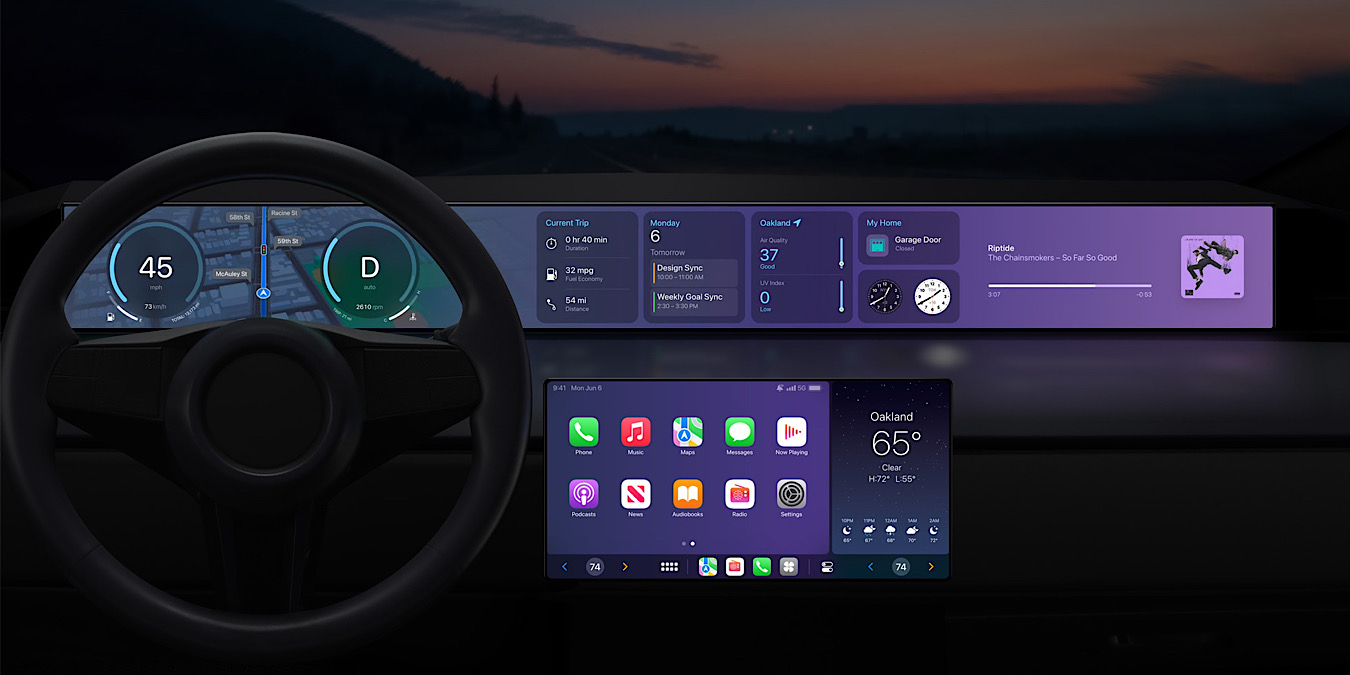

Sometimes new features escape all the hoopla of a new OS release. Maybe they’re just not as newsworthy as other changes. The iOS 16 changes will add a feature to CarPlay that will allow users to remain in their cars and pay for their gas fill-up. We didn’t hear about that at WWDC 2022, though.
Also read: How to Turn Off Do Not Disturb While Driving
Pay for Gas through iOS 16 CarPlay
Perhaps this new iOS 16 CarPlay feature wasn’t mentioned at WWDC 2022 because no one wants to be reminded of current gas prices. Just the mention of paying for gas seems to make people’s blood boil.
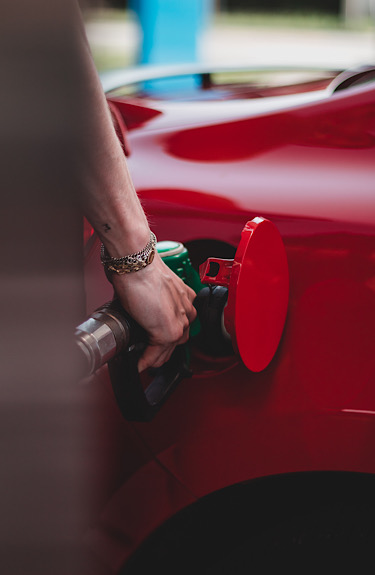
The new feature was most certainly in development long before fuel prices jumped so much at the pump. However, that would have been during a time with fewer people driving to work or transforming their vehicles into mobile offices.
Regardless, the iOS 16 CarPlay option to pay for gas directly from the dashboard will still make lives easier. Parents won’t need to leave young kids in the car alone quite as long, and people will spend less time outside at the pump in inclement weather.
CarPlay users will need to download a gas station or fuel company’s app to their iPhone and enter payment information. When they visit that gas station, they just need to tap the CarPlay navigation screen to set up paying at a particular pump.
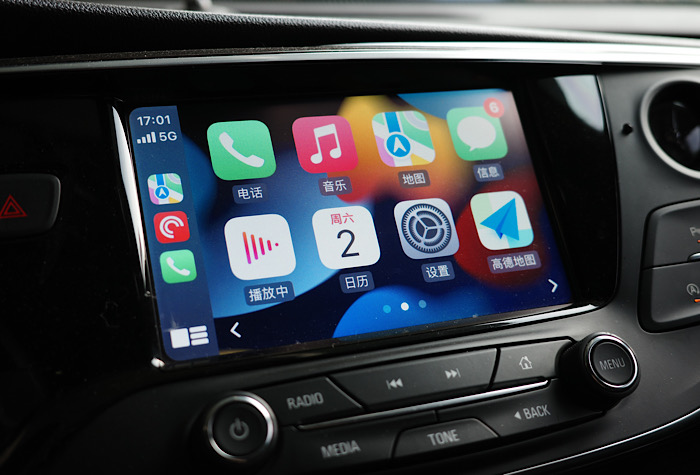
Apple has had an interest in the auto business for some time. It was long-rumored to be working on an Apple Car. It then introduced CarPlay and other auto features, such as Apple Car Key, which allows you to start your car or unlock your doors from your iPhone or Apple Watch. The company has also added features for parking, electric car charging, and food orders. Paying for gas through CarPlay seems like the next logical step.
Reactions to New CarPlay Feature
Jack Burger, HF Sinclair’s senior VP of marketing, said there are plans to use the iOS 16 CarPlay feature. “We are excited by the idea that consumers could navigate to a Sinclair station and purchase fuel from their vehicle navigation screen,” he said.
Apple doesn’t charge automakers, app developers, or users of CarPlay. This appears to be just another way to draw people further into the Apple ecosystem, which isn’t surprising to anyone.
Not that it’s all sunshine and roses between the auto industry and Apple. General Motors was working on its own plan for paying for gas inside the car, but it abandoned the plan this year “due to a supplier exiting the business,” according to GM.
Apple has further CarPlay plans that include access to speed and gas gauge data, but they’ll have to do better in their relationships with the carmakers.
Ola Kaellenius, the Mercedes Benz CEO, said on Wednesday that the company’s goal “is to have a complete, holistic, Mercedes experience.”
He added that the company isn’t trying to reinvent app categories but noted, “When interacting with companies that are in the digital domain – anything and everything that crosses into product liability relevance, we should be very cautious.”
For more changes to iOS 16, see our article on the WWDC 2022 wrap-up.
Image credit: Apple