

Have you been in the market lately for a snug pair of headphones? If you have, you may have seen two different kinds of headphones on sale, “in-ear” and “earbuds.” Some companies may even advertise their headphones as “in-ear earbuds,” as if they’re the same thing, but they’re not! While they look very similar, they both have different dynamics that suit different people depending on what they want. So what’s the difference?
What Are In-Ear Headphones?

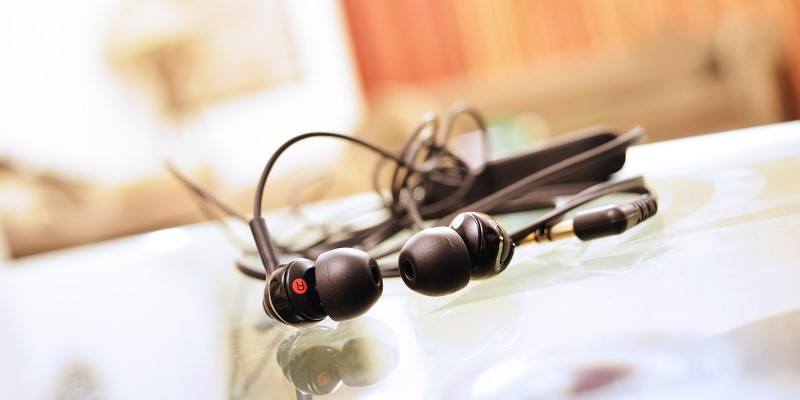
In-ear headphones are sometimes called other things, such as “in-canal” or “earphones” (which makes them even easier to confuse with earbuds). You can gather a picture as to how in-ear headphones work from these names alone. They’re designed to be placed within the ear so that the “cushion” of the earpiece rests within the ear canal.
Because the headphones are firmly lodged within the ear, in-ear headphones tend to stick inside better than earbuds do. Also, because they cover the ear canal, it stops sounds from outside leaking into your music. As such, these are great for when you want to shut the world away for a few moments while you listen to your music.
Because you’re shutting out the world, you’re not competing with outside noises when listening to your music. As a result, you don’t have to blast your music as loud in order to cut through the general hubbub around you. This in turn may lead to saving your eardrums some extra wear and tear down the line!
These aren’t for everyone, however; sometimes in-ear headphones can block airflow between your ear and the outside world. This means that things tend to get sweaty and uncomfortable and make things a little itchy after long periods of use.
What Are Earbuds?
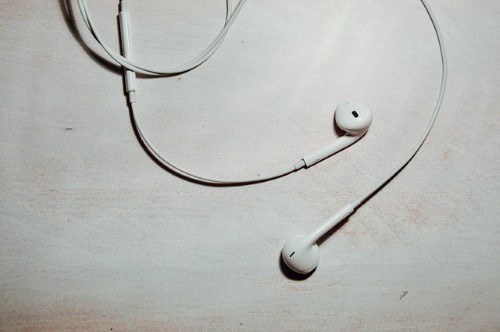
While earbuds do put themselves very close to your ear canal, the key difference is that they never fully enter it. They rest on the concha ridge of your ear, the small outside ridge right before your ear canal. As such, they’re perfect for people who don’t like the feeling of something within their ear canal. In a way they’re like miniature speakers that you put very close to your ear but never inside.
Because of their positioning you may find that earbuds fall out more often than in-canal earphones, simply because it has less of a grip on your ear. The lack of in-canal presence means that you’ll also be hearing your surroundings better, too. This isn’t ideal for people who want to shut out the world, but for those who want to listen to music while still being aware of what’s around them, these make a good alternative to in-ear headphones.
The Confusion
Unfortunately, as mentioned above the terms “in-ear” and “earbuds” often blend together when used in a product description. If you search for “earbuds” on Amazon, you’ll see a lot of in-ear models popping up as a result. It can be tricky to find a “proper” earbud on the market if you’re unsure what you’re looking for.

If you want earbuds and not in-ear headphones, simply look for models that don’t have the “canal cushion” on them. Earbuds look simply like mini-speakers, while in-ear headphones will have the cushion on them. This will allow you to pick out the one that suits you most, even if they’re labelled incorrectly!
Best Buds
While in-ear and earbud headphones may sound very similar, they’re actually quite different with their own use cases. Now you know what each one does; more importantly, you know how to detect which one is which, despite what they’re advertised as!
Which do you prefer? Let us know below.