
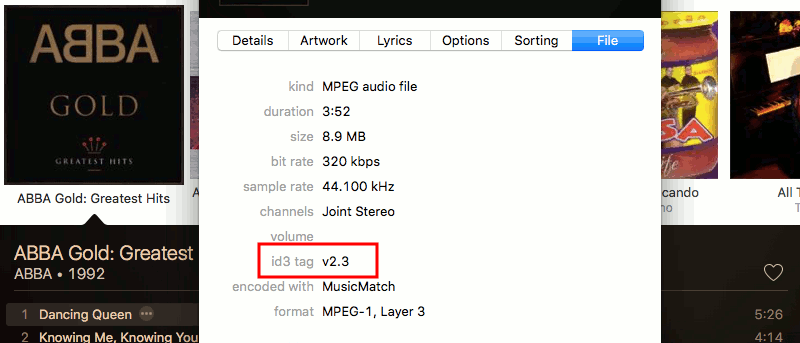

The ritual, if you will, for millions of computer users across the globe is much the same. Across the world people log into their account, allow their desktop to load, and then open their web browser and their music player of choice.
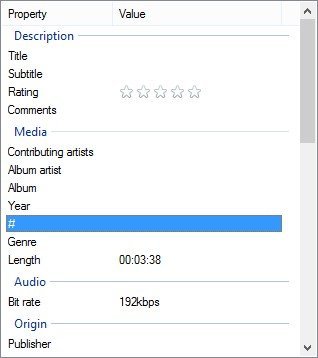
However, without tags, their music libraries would simply appear as a series of file names. There would be no artist names, album covers, or track numbers. Essentially, it would drive libraries into disarray.
Let’s take a look at the music tagging systems that define how we approach digital music.
A Brief Overview
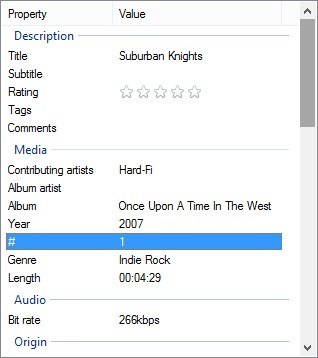
Music tags are most commonly found in ID3 format; if you’ve accessed an MP3 it is likely you have come into contact with ID3 tags. Alternatives exist, such as APE, but ID3 remains dominant.
There are two iterations of ID3 tag: ID3v1 and ID3v2. While their names are similar, they are totally different in how they work. In fact, their only similarities are their names and purposes.
ID3v1 is the older tag, having come into existence in 1996. It was later iterated upon with ID3v1.1’s release in 1997. 1.1 differs from its predecessor by reducing the size of the comment field, using the extra few bytes to store the track number instead.
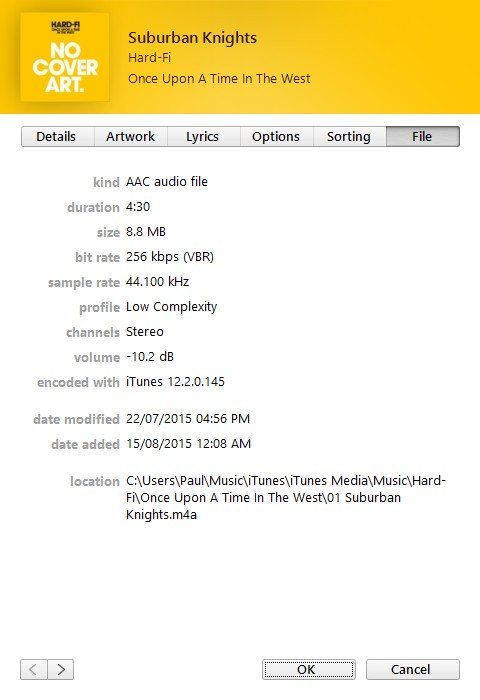
There is also an “extended” version of ID3v1 tagging which affords users double the number of characters for each field as well as free-text entry of the song’s genre. ID3v1 originally tackled genre with a numerical system; a song might be genre “1” if it was pop or “2” if it was rock. Extending the tags allowed users to enter their own genres.
In 1998, a year after ID3v1.1’s creation, ID3v2 released. Its structure is totally different, and tag size is limited to 256MB. This change proves absolutely enormous and makes it possible to store album artwork as a tag, among other things.
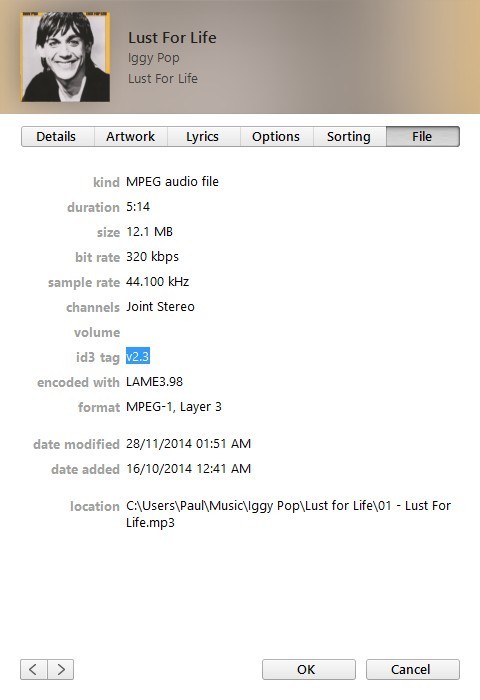
Like its predecessor, ID3v2 had numerous iterations. ID3v2.2 was the first public version available but is now considered obsolete. ID3v2.3 expanded the number of “frames” that hold data, and it is the most commonly used ID3 tag type, despite being nearly two decades old.
While v2.3 is the most popular version, it is not the newest. ID3v2.4 was published in 2000 but is not supported in any version of Windows. Not even Windows 10 can handle these particular tags.
Identifying Your Tags
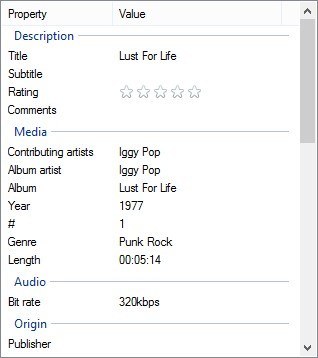
With the increased knowledge of ID3 tagging comes a desire to know what tags your music is using. Oddly, you’ll find that software like iTunes won’t always divulge this information – nor will Windows Explorer.
MP3Tag, a program we have shown in a previous article, can actually display this information. If you installed it, or downloaded a portable version like the one referenced in our article on portable software, open it. If not, you can install it if you wish by following these steps.
1. Open MP3Tag and either your music player or the Music folder in Windows Explorer.
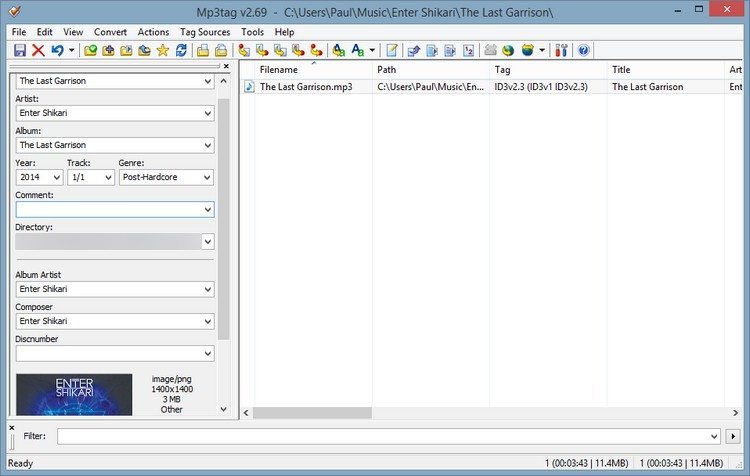
2. Drag a track from a source and move it over the MP3Tag window so that it appears there. You can do this with full albums or folders, too.

3. When the file is visible in MP3Tag, look at the different fields from left to right. By default “Tag” is among them, and it displays the ID3 tag versions the file has embedded within. Ignore the information behind the brackets: the first entry displays the tags on the song.
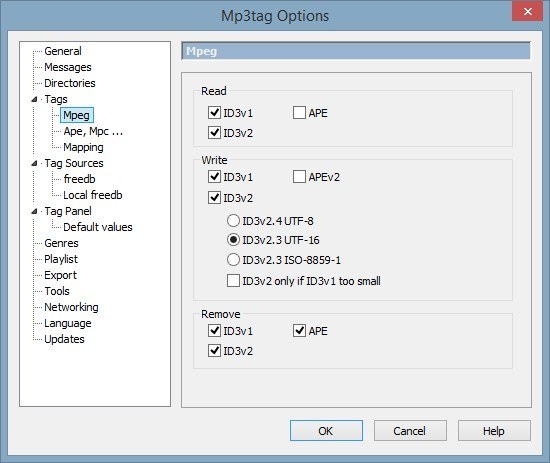
By default MP3Tag will write both ID3v1 and ID3v2 tags to a track, but this behaviour can be changed in the settings.
Conclusion
ID3 tagging might play a small role in your overall computer usage, but it is absolutely essential to curating any type of music library. There is an enormous amount of potential within the tagging system, and it is not especially complex to become familiar with. Hopefully, with a greater understanding of what organises your music collection, it will be possible to better appreciate how well categorised it can be.
Do you use an alternative tagging system? Do you have a particularly creative use for the ‘Comment’ field within your songs? Let us know your thoughts and opinions in the comment section below.