
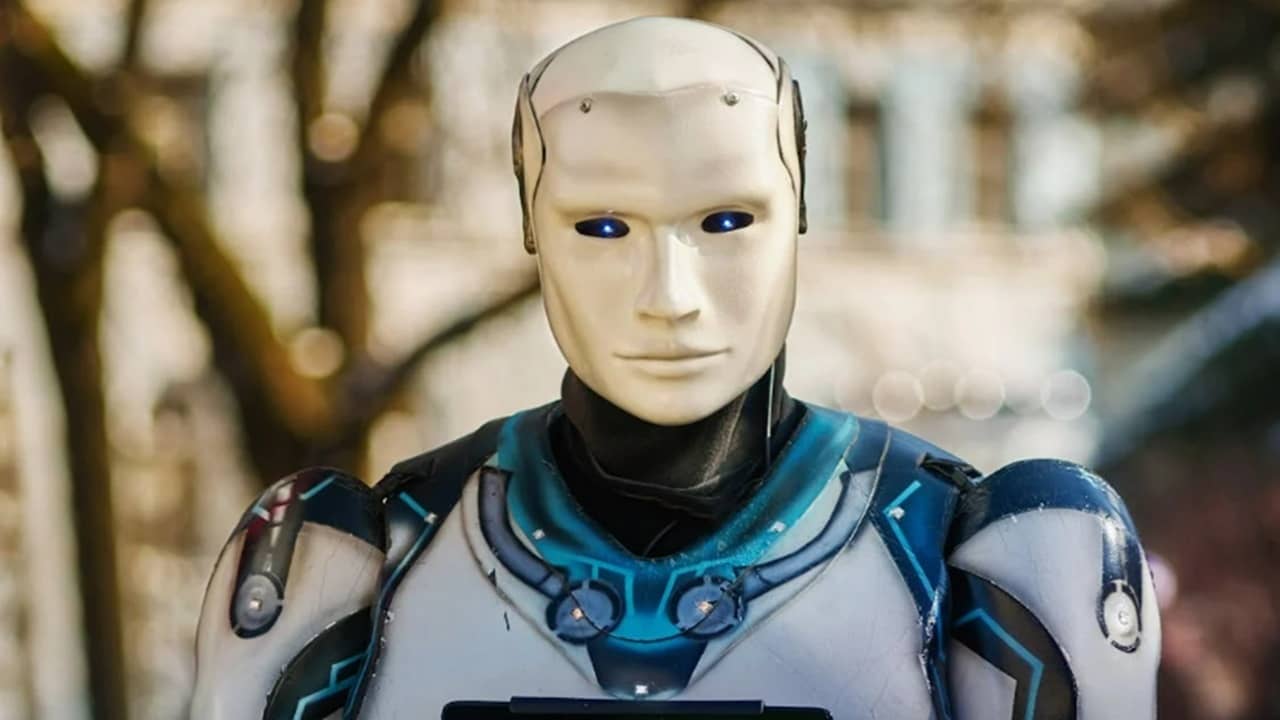

Humanoid robots are starting to become more common, especially in manufacturing and entertainment. But have you ever wondered what it would be like to race one? An upcoming marathon is pitting robots against humans to see who’s the best runner.
Runners That Don’t Need to Rest
A large part of competing in marathons is endurance. Running fast only gets you so far before you start to tire. Humanoid robots just need a fresh battery, and they’re ready to keep going. What does this mean for humans trying to compete alongside them?
Beijing, China, is hosting a half-marathon in April 2025. Runners, both human and robot, must complete 21.1 km (~13 miles). The Beijing E-Town half-marathon event takes runners through the heart of the E-Town area, which is home to over 140 companies focused on creating robots. The area is currently trying to blend technology and sports. What better way than a race with robots?

Currently, over 12,000 humans are registered. Now for the fun part. Over 20 humanoid robot company teams throughout China are also competing. A mix of global companies, universities, research institutions, and robot clubs are also getting involved.
It’s a chance for any humanoid robot creators to showcase what their designs are capable of. But to make things more fair, all robots must be bipedal, have a humanoid look, and can’t use wheels to run the race.
Additional rules were released stating that all robot participants must be between 19.7 inches and 78.7 inches tall. If necessary, participants are allowed to change their robot’s battery during the race. Obviously, they’ll want to make sure this is a quick change to avoid getting behind.
Another interesting rule is that robots can be fully autonomous or remote controlled. This is a perfect time to compare the capabilities of the two to see whether autonomous robots are better at interacting with humans than a human controlled robot.
If you want to start prepping to run against robots, try gamification. Make sure you have a reliable fitness band to track your workouts.
Not the First Humanoid Robot Racers
This particular race is gaining much attention because it’s the longest race so far with humans and humanoid robots. In the same half-marathon last year, Tiangong, a bipedal robot, jumped into the race with just 100 meters to go, crossing the finish line with human runners. Robots have also been used as pacesetters. You can see Tiangong practicing in the video below.

Allowing robots to complete the full half-marathon offers an endurance test of the developer’s capabilities. They’ll need to stay close by in case of any malfunctions. Human runners will also need to be extra diligent in the event a robot goes rogue or crashes, either through a coding bug or literally.
If running alongside a robot is just too futuristic for you, stick with something a little more useful around the house, like a robot vacuum.
Image credit: Pexels