

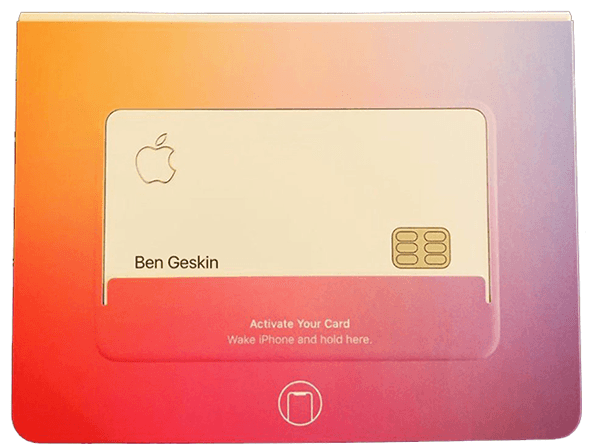
Apple is getting into the financial services game with its new Apple credit card. Insider sources say they added a port just so they could take it away again, in keeping with Apple’s time-tested design philosophy. Okay, I’m just kidding about the port, but they did remove everything except the user’s name from the physical titanium card, opting instead to store all sensitive info in the Apple Pay app. Classic Apple.
The rest of the card’s features also feel a lot like what you would expect from an Apple financial product: simple, private, secure, user-friendly, and only available to iPhone users. It’s another step by tech companies toward the financial sector, and with features like virtual card numbers, private transactions, and no fees at all, its release (summer 2019) seems like a positive beginning to the trend.
What is the Apple Card?
The Apple Card is best understood as an Apple-issued credit card meant exclusively for use with the Apple Pay iPhone app. You apply for it in Apple Pay, receive your virtual card in Apple Pay (the virtual card is your main card, not the physical one that gets shipped to you), make and track purchases with Apple Pay, pay your bill in Apple pay, and message the 24/7 support line with … Messages, of course. Even your rewards go to your Apple Cash account, which is essentially the Apple Pay debit card/PayPal/Venmo.
Though we’re used to our cards primarily living in the physical world and getting cloned into the virtual, Apple Card flips that dynamic. The classy sheet of titanium is adorned only with your name, so if you need to know the card number (for an online purchase, probably), you’ll need to check the app for a virtual card number (which you can change at will if you suspect a security risk).
How does the Apple Card work?
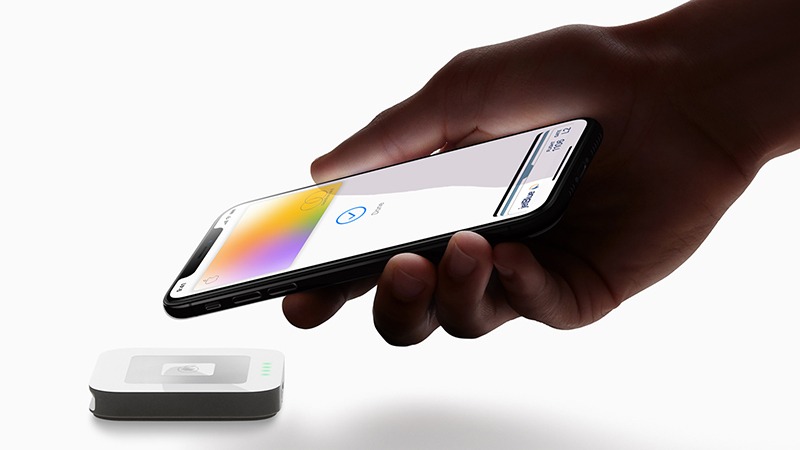
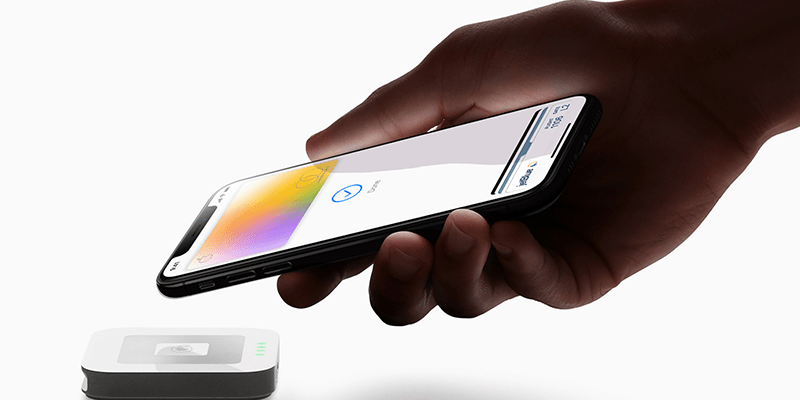
If you’ve used Apple Pay before, you have a pretty good idea of how the Apple Card works, since it’s basically just a card optimized for use with iPhones. You make purchases either by tapping your phone on a payment terminal and authenticating with Touch or Face ID or by using the magnetic strip or chip on the physical card (no authentication required for that).
The Secure Element, the encrypted chip where Apple stores your Apple Pay data in an iPhone, is where your actual card data lives. When you get your card, what you’re really getting is a secret ID that gets locked away there, invisible even to you. That device number, plus a one-time-use 3-digit security code (the CVV, basically) are required to authorize purchases.
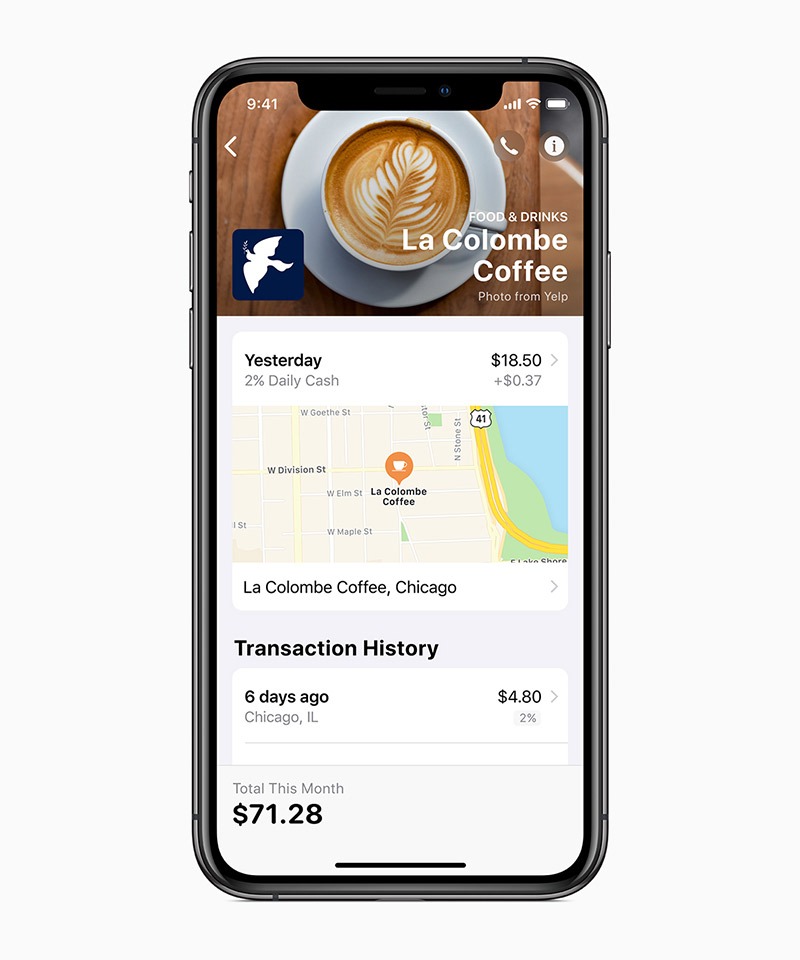
To activate the physical card, you have to tap it against the iPhone, but it doesn’t get your secure device number – it has another number that you don’t know. If the physical card is ever compromised, Apple lets you lock it and request a new one (for free) from inside the app. Additionally, if you suspect fraud, Apple makes it easy to go back and check your transactions (you can even see the map locations) in case their fraud detection algorithms haven’t spotted anything yet.
Worried about Apple selling off that transaction and location data? Don’t be. Apple encrypts all your activity so that they don’t know what you bought, where you bought it, or how much you paid for it, while giving you access to all of it. Goldman Sachs, the bank that Apple is working with to issue the card, can see some of this data but has a strong privacy agreement that means none of your data will be sold off or shared with third parties.
Is the Apple Card a good financial decision?
The short answer here is “yes.” Obviously, it’s not the best card for everyone, but it is competitive. Here’s what it offers:
- No fees (no foreign transaction fee, no annual fee, no late fee, no over-spending fee – actually no fees)
- “Daily Cash” rewards that offer 1 percent back on all purchases with the physical card, 2 percent back with the app, and 3 percent back for Apple Store purchases, with your rewards paid out daily into your Apple Cash account
- A free (and free to replace) physical titanium card
- Competitive interest rates with features designed to help users pay less interest
As with normal cards, you’ll have to apply and have your credit score checked, and you will have a credit limit that depends on your history. And even though there are technically no late fees, you will get hit with higher interest rates if you miss a payment, though this is quite forgiving compared to most banks.
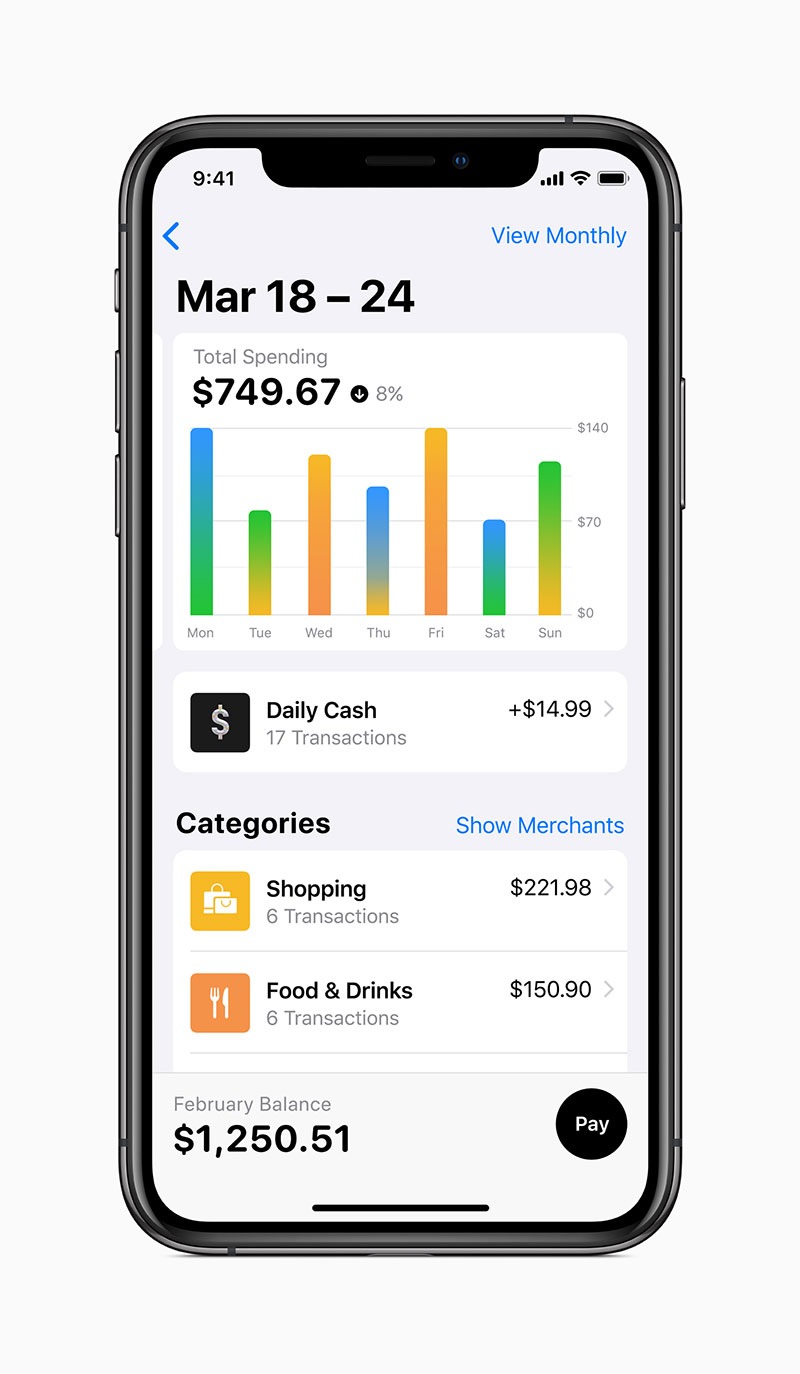
The money management features are a nice bonus as well. Not only does Apple present various payment plan options to help users pay the least possible amount of interest and develop good habits, but it provides excellent spending analytics, using machine learning and Apple Maps to label your transactions correctly and give you detailed access to your spending history and habits.
Should you swipe right on the Apple Card?
Do you have an iPhone (with a newer iOS version)? Are you a US citizen over the age of 18? Do you have a decent credit history? If so, there’s really no reason not to give the Apple Card a shot when it comes out. Worst-case scenario, you take a small hit to your credit score and end up with a card on your phone that you never use.
However, you’ll also have an awesome titanium card that I assume you’ll be able to use as some sort of tool or barter object in case the apocalypse hits. It’s a fee-free card from a stable company that doesn’t mess with your data, so you’re not taking on much risk. As always, though, you should consider your financial needs and assess whether it’s a good decision for you.