

Changing the web browser on your computer is a cinch: pick one of the other big names in the industry, download it and install it. The end result, in every instance, is a well-polished and stable browser that should work for the majority of your needs.
If you have not looked too deeply into most browsers, it can appear almost that they are flawless from launch, but this could not be further from the truth. We previously covered Firefox and how it goes through a series of channels before becoming an update to one of the most popular browsers in the world.
Chrome is no different in this regard; in this article we follow it from its most experimental stage through to mainstream release.
History
Chrome is a relative newcomer among web browsers, and unlike Firefox, has never been rebranded. Google maintains overall control of the browser, hence its close integration with other Google services. Chromium and SRWare Iron, both browsers we’ve previously written about, provide a familiar feeling of being alternative without Google’s services.
Canary
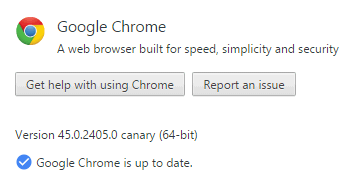
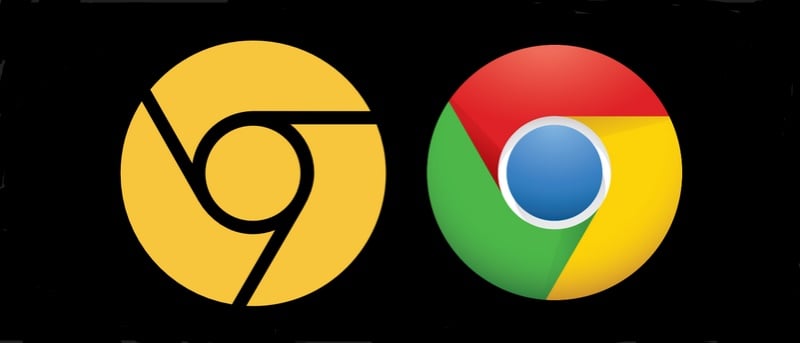
Canary builds of Chrome can be distinguished by their yellow-tinged icon and are released nightly in much the same manner as Mozilla’s Nightly builds of Firefox. The Canary builds are not subjected to testing prior to launch so may not work as intended or may not work at all.
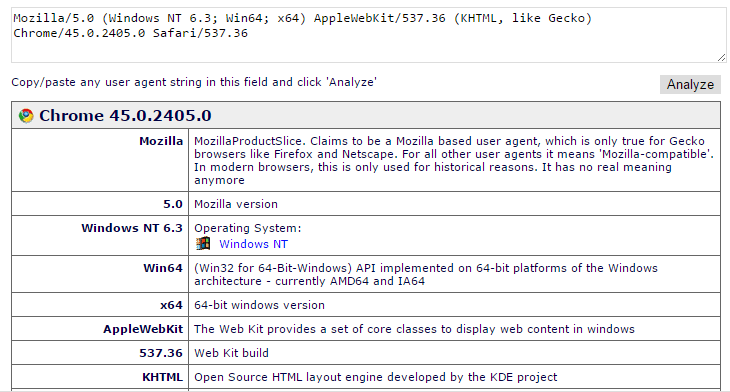
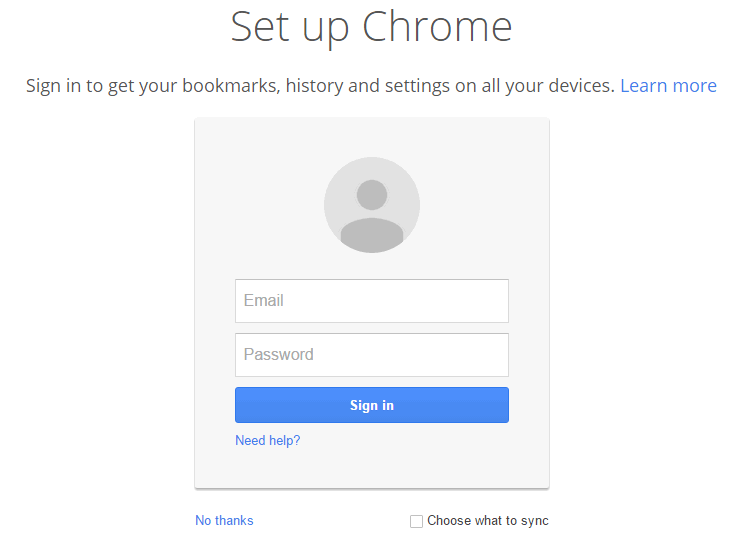
Despite being a variant of the Chrome browser, it works separately. Rather than sharing a profile or replacing an existing installation of Chrome, the Canary builds can be used separately and will not carry over passwords or history from other versions. Canary is the only Chrome build to run in this manner, mitigating most of the risk associated with such an experimental version.
Canary is similar to Chromium’s snapshot builds, but it includes some of the features Chromium does not for various reasons. Among these are the built-in Flashplayer and PDF readers which can be enormously beneficial for some users.
Note: Chrome Canary is only available for Windows and OS X.
Dev Channel
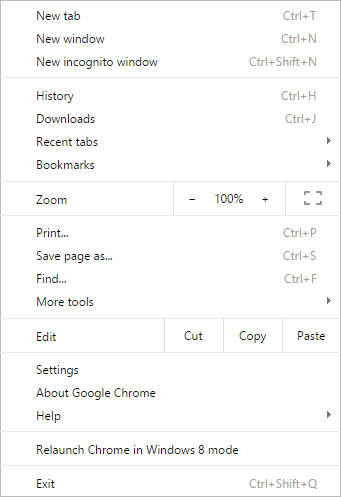
Once Chrome reaches the “Dev Channel,” it is closer in manner to finished and final versions of the browser. Some bugs may still exist, but the majority should have been quashed by this stage and updates are less frequent as a result. In fact, rather than updating once a day, Dev builds can update only once or twice a week.
Should you wish to use a pre-release version of the browser for general browsing, it is probably inadvisable to choose a variant further from release, like Canary, rather than this one. Given that the Dev Channel updates less frequently, it should be markedly better for overall stability.
Beta Channel
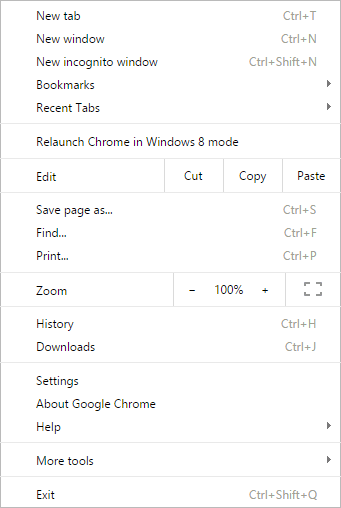
As the “Beta Channel” name suggests, this version of the browser is the closest to release. As the beta naming indicates, the browser is very close to release at this stage in the development cycle. Updates appear once weekly, but major updates only arrive once every six weeks or so.
The website for the Chromium Project explains the Beta Channel as being the best way to test the browser with “minimal risk.” Whether you’re prepared to take the risk of bugs along the way to get a version of the browser even further into the development roadmap or not is entirely your choice, though the beta channel provides a good first foray into Chrome’s pre-release versions.
Stable Channel
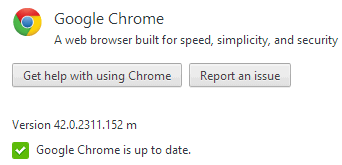
The stable channel of the browser is, understandably, the most popular release. Google does not make it plainly obvious that other builds exist, nor do they need to. Chrome’s stable channel does everything that most people demand from their browser and does so admirably well.
Updates for the stable channel of Chrome appear every two or three weeks, bringing minor changes and revisions. Once every six weeks a release will change things more drastically, and this is signalled by a change in overall version number.
Which version to use?
If you are unsure which version of Chrome best meets your needs, then it is quite likely that the stable channel is sufficient. If you like to experiment with browsers at their “bleeding edge,” then it is possible to do so without endangering your present install of Chrome.
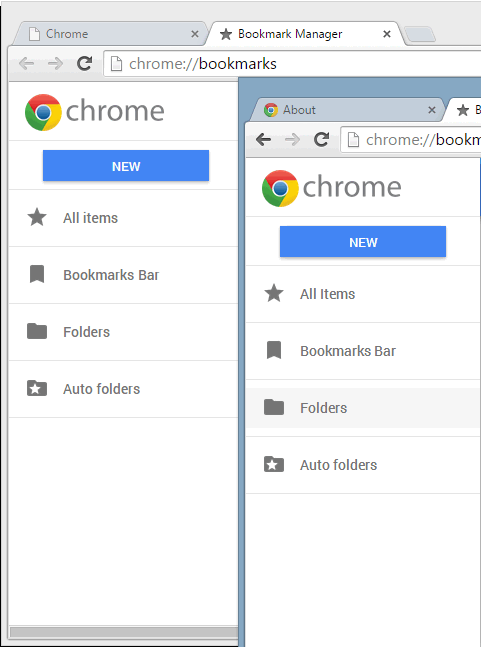
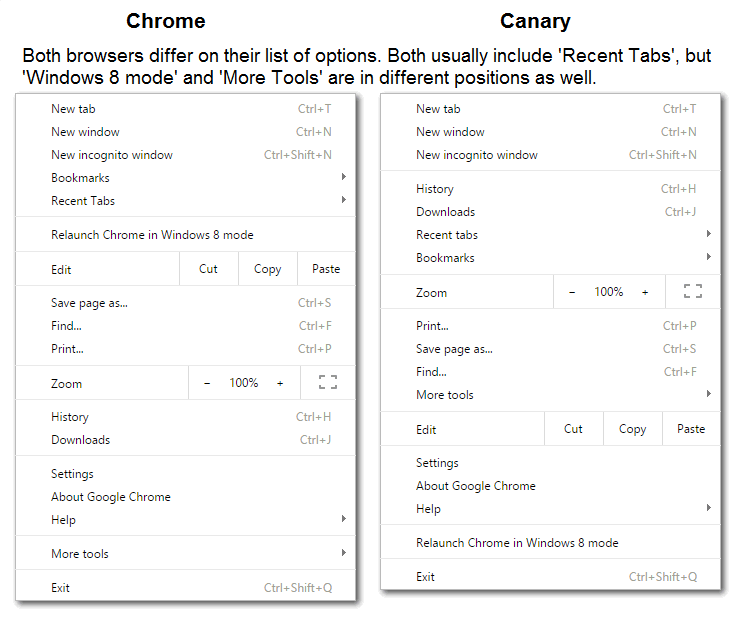
By using the Canary builds, you will not interfere with your everyday version of Chrome, but can get a taste of how the browser will progress. For example, the above shot of Chrome’s bookmark management displays the fonts slightly differently. It’s a minor change that’s hard to highlight but a change that could have wider impacts on how websites display.