
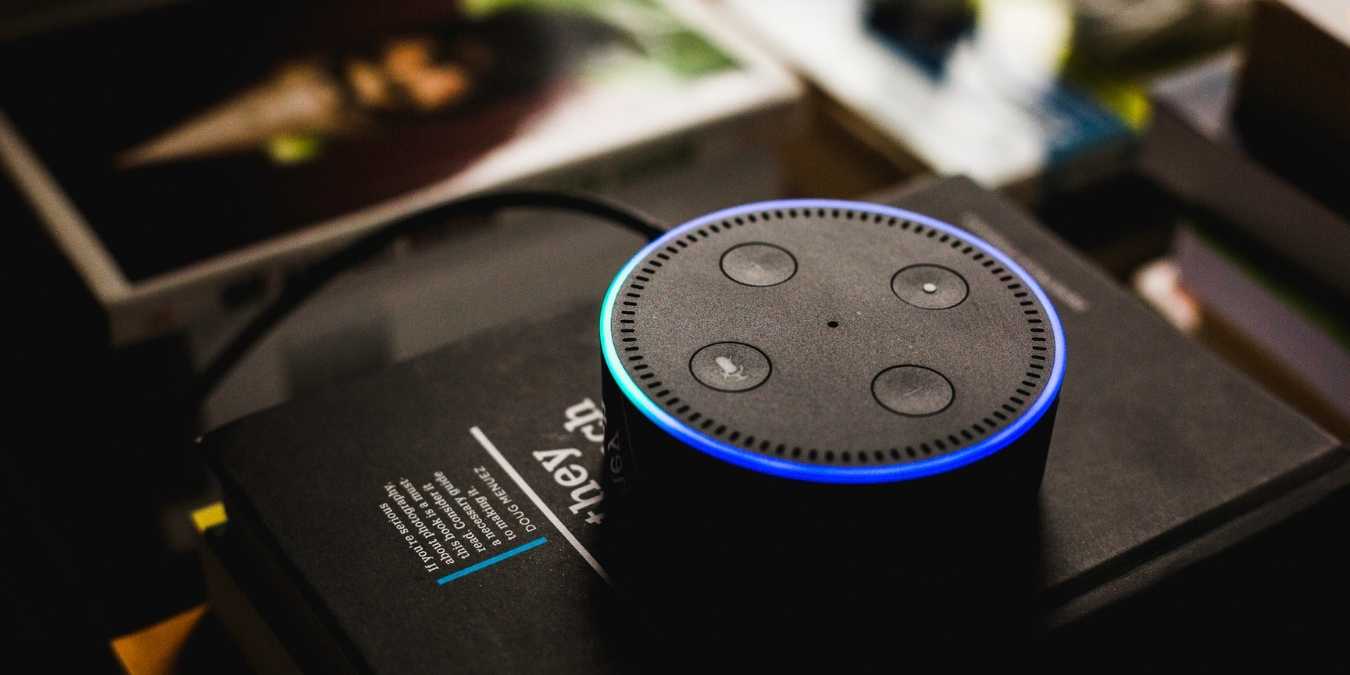

When some people heard that employees of Amazon listen to what is recorded on Alexa, they assumed they can hear everything going on in their homes. This is not true. Alexa cannot record without using a wake word.
The Amazon Echo and other voice assistants that use wake words are only able to record any voice commands made after the wake word. In Amazon’s case, that word is Alexa. But how does the device recognize the word Alexa amid the other voices and background noises in our homes? (Buying through this link may earn us a commission, at no extra cost to you.)
Also read: How to Use Amazon Alexa Devices as an Intercom
Three Technologies Working Together
There are three technologies in the Alexa system that, when they work together, enable the device to recognize the wake word. Nothing else will begin the recording. These technologies are the microphones in the machine, a three-second memory buffer, and neural net training.
Microphones
The Amazon Echo has a system of multiple microphones that allows it to pick up the sound of the wake word. These microphones can identify the wake word from among all the other sounds that are in the background. When the device hears the word, it begins recording, and you will see a dark blue ring of light on the top.
The microphones also determine the direction the word comes from so they can focus in that direction. When the device determines the direction, a lighter blue color light will follow the sound of your voice.
Limited memory
The memory built into the Echo device only retains three seconds worth of data at a time. Then the data is erased and written over. For those of you old enough to remember cassette tapes, it would be like recording for three seconds and then rewinding to the beginning and recording for three seconds again. Alexa does not transmit data until after it recognizes the wake word.
Neural net training
Without going into mind-blowing technical detail, a neural network is a series of artificial connections designed to work in a way similar to the human brain. Amazon uses this technology to train Alexa to recognize the wake word no matter how high or low the voice or the accent with which the user says it.

Every word that Alexa hears runs through several layers of testing. This testing determines if the word is the wake word. After the word passes through several layers of verification, and the Echo device determines that it was indeed the wake word, Alexa begins recording.
Accuracy of wake word recognition
People worry that Alexa will begin recording without actually hearing the wake word. So it is vital that Alexa does not start recording without someone directly speaking to it. Recognizing the word and not getting it confused with other words is a top priority.
The software relies on data that represents every possible way to say the word Alexa. This data helps the device determine when the user is speaking to the device. Amazon also uses other data it receives to ensure it doesn’t activate by hearing the word in casual conversation or background noise.
Companies that use the word Alexa in their commercials send that commercial to Amazon. They upload the sound of the wake word in the advertisement to the neural net. This data teaches Alexa to ignore that sound.
Using the network, Amazon makes sure the device will not start recording when the word Alexa is found in background noise. If someone says, “Alexa,” during a television program, the network understands that it is not likely that a large number of devices all heard the same word, in the same tone, at the exact same time. It will ignore the sound and not begin recording.
Erasing Stored Conversations
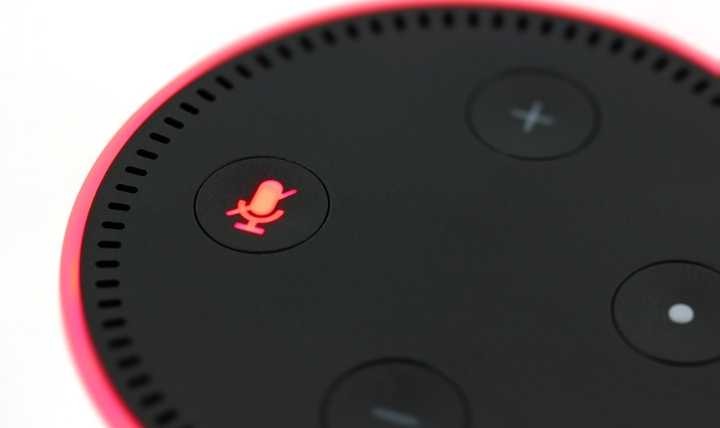
If you don’t want Alexa listening for the wake word, the simplest thing to do is to press the mute button on the top of the device. It won’t listen until you turn the microphones back on.
You can change your settings to keep your data private. On the mobile app, open the settings and then select “Manage How Your Data Improves Alexa,” then toggle the switches to the off position.
You can now even tell Alexa to forget everything you said that day. First, enable the skill by opening the settings, then Review Voice History. Turn the switch on. Then when you say, “Alexa, delete everything I said today,” the server deletes all the data from that day.
Amazon is making improvements to the Alexa system. They have new technology in the microphone array and the neural network to make the system even more accurate. In the meantime, if you are concerned about privacy, take steps to keep your data off the servers.