

Noisy environments can both distract and irritate you when you want to get work done. Headphones with active noise-cancellation abilities can offer a respite, but do you know how they work?
In this article we discuss the manner in which headphones from Bose, Beats, and other brands keep outside noise out of your ears.
The Shape of Sound
The most important lesson you should learn today is that sound waves follow a regular pattern. A sound wave of any frequency compresses and rarefies (releases the compression) molecules as it moves through the air. This is comparable to a transverse wave, which looks like the following image.
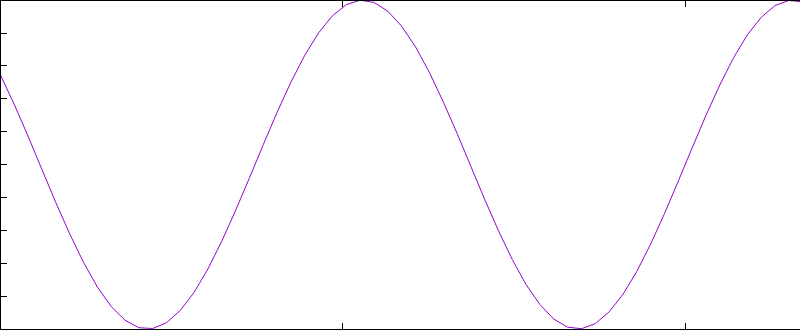
If the wave in that graph was a sound wave, you could easily determine its loudness and pitch. The wave’s height on the graph tells you its loudness; the wave’s frequency tells you its pitch.
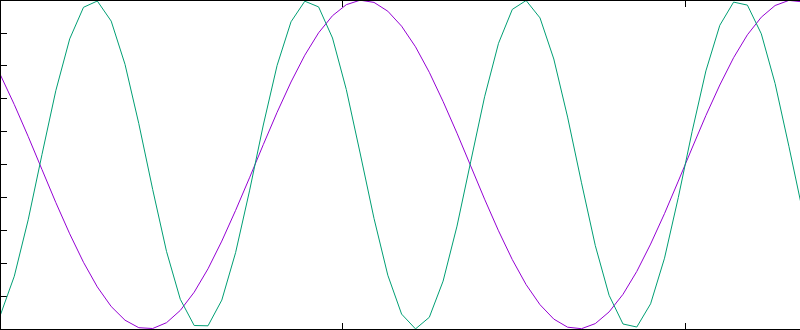
Therefore, the purple and green sound waves in this next image would have the same loudness but different pitches.
Filtering Out Noise
When unwanted noises occur, your headphones must use the characteristics of sound waves to begin making your world quieter.
Your headphones require a battery to power an embedded microphone that listens for outside noise. The microphone recognizes the various frequencies reaching your ear, and then sends that information to its speaker – the same speaker you use to listen to your music.
The speaker then emits extra sound waves to combat offending noise. It does this by creating destructive interference that uses waves’ peaks and troughs against them.
In destructive interference, two sound waves of equal loudness and pitch can cancel out each other if they are 180 degrees out of phase. This graph demonstrates what that phase shift looks like.
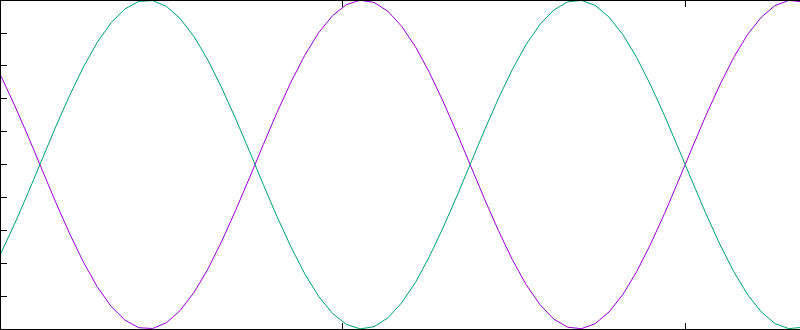
The purple wave is the same wave shown in the first image of this article. The green wave is moved out of phase with the green wave by 180 degrees.
Both waves now have their peaks and troughs lining up, so their compression and rarefaction of air is eliminated. The sum of these two waves is a straight line across the center of the graph. Essentially, the combination creates no noise at all.
Noise Cancellation Is Complicated
Although the math of canceling out one sound wave is easy, the real world doesn’t limit itself to one distracting noise frequency at a single phase.
The noise cancellation available in your headphones is a masterpiece of engineering. It must identify all the sound wavelengths, intensities, and phases in your environment at a moment’s notice. Then it must effectively generate equal but opposite sound waves in addition to the music or audio you want to hear.
In the end, what you receive as noise-canceled audio isn’t always perfect. Your headphones should remove about seventy-percent of outside noise, and they probably won’t do well with sharp, sudden noises like a crying baby or slammed door. They will work best when removing consistent noises such as the murmur of a crowd or the hum of a jet plane.
Conclusion
If you’re considering purchasing a pair of headphones for active noise cancellation, keep their abilities and limitations in mind.
Now that you know how they work, be prepared for a less-than-perfect removal of unwanted sound, but stay optimistic about how far this amazing technology can actually get you.