
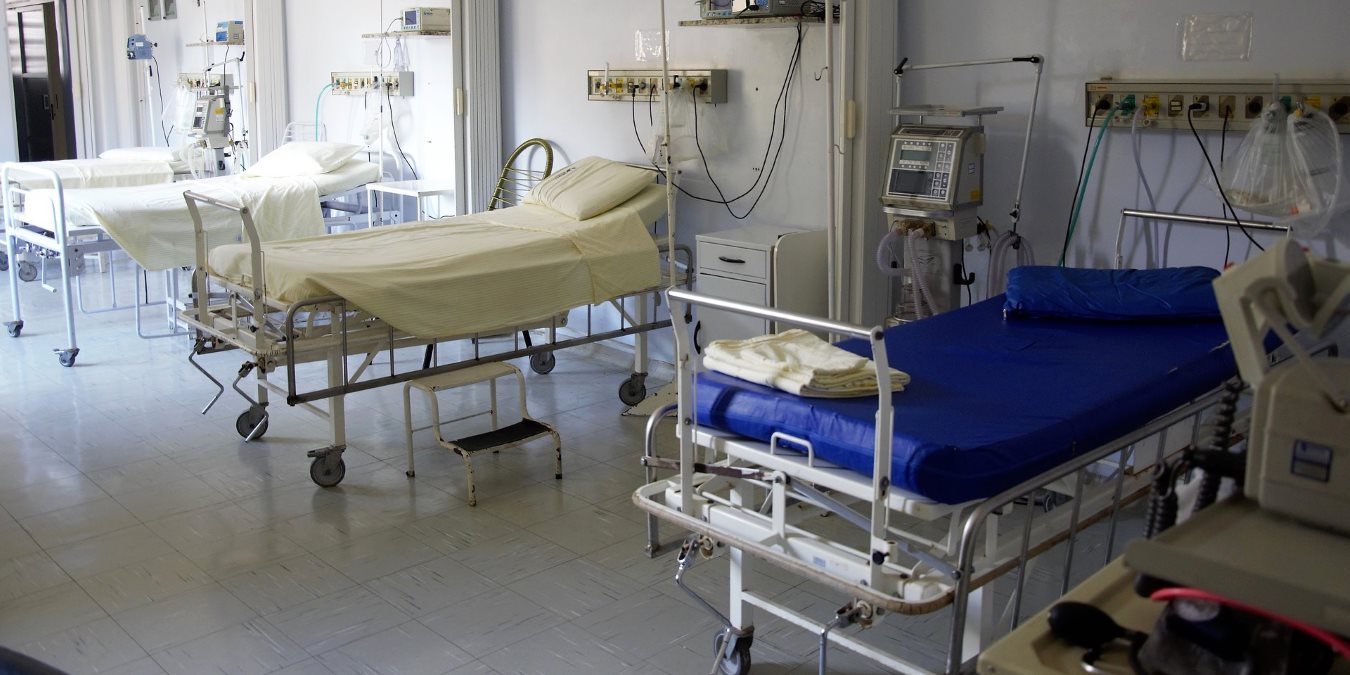

It’s no surprise that hospitals are under constant cyber-attack. Criminals want to breach these critical places because they know their demands will be better met. We saw a wave of ransomware attacks in 2017 that targeted hospitals, shutting down their systems until their ransom was paid.
Unfortunately, such attacks aren’t a thing of the past. Recently, we’ve seen a wave of new attacks against a hospital that left it unable to take in any patients that aren’t in a critical condition.
What Happened?
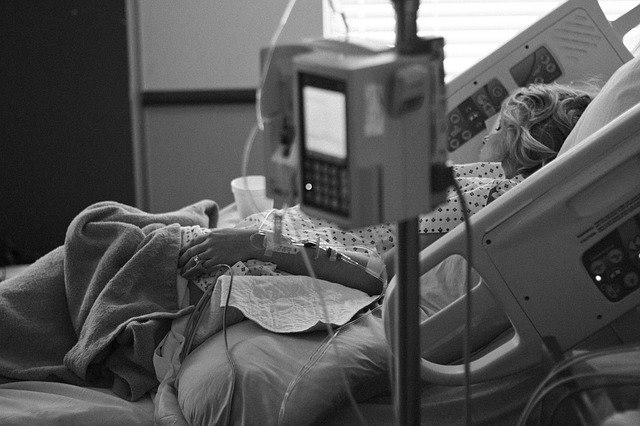
Earlier this week, ransomware tore through ten hospitals in total. Three of these hospitals were in Alabama, and seven were in Australia.
In Alabama, the affected hospitals were the DCH Regional Medical Center, Northport Medical Center, and Fayette Medical Center. The breach was so bad, the hospitals could not operate unless the patients were in desperate need of medical care.
Any ambulances responding to calls had to redirect patients to different hospitals, which added time between the 911 call and getting into the emergency room.
Those already within the ER of the affected hospitals had an uncertain future. If they managed to stabilize, they could be moved to another hospital to make room for emergencies.
DCH went on record with the following: “A criminal is limiting our ability to use our computer systems in exchange for an as-yet-unknown payment. Our hospitals have implemented our emergency procedures to ensure safe and efficient operations in the event technology dependent on computers is not available.”
Meanwhile, the seven hospitals in Australia were also performing similar patient transfers. There is no news yet on whether these two attacks are connected, but it’s a reminder on how hospitals come under attack from cyber-criminals.
Also read: What is Ransomware, Why it is Dangerous and How to Protect Yourself
Why Do Ransomware Developers Target Hospitals?
It may seem cold-blooded for ransomware developers to put lives at risk, and you wouldn’t be wrong. In fact, the fact that ransomware can endanger lives is why malware distributors target hospitals in the first place.
One of the biggest problems ransomware developers have is getting their payout. These days, people are wiser to the effects of ransomware and can even revert their PC back to normal using specialist advice. Even if the ransomware can’t be removed, the victim may be unwilling to pay if all they’re losing are video game save files and their browser bookmarks.
As such, a ransomware developer needs to hit sensitive data centers to force the victims to pay up ASAP. This includes hospitals, who are known for paying the ransom to get things back on track.
How Can Hackers Break into Hospital Systems So Easily?
The problem is, the sensitive nature of hospitals means that they’re less likely to make changes to their systems. For them, if it works, it works; making an upgrade may introduce new bugs into the system, which could cost lives.
Some hospitals still run Windows XP for this reason. Unfortunately, while their critical software runs well, the operating system’s core security is heavily flawed. This makes it hard for hospitals to keep themselves protected.
Holding Lives at Ransom
Hospital-based cyber-attacks are cruel, but it’s that edge that hackers depend on for a huge payout. Combined with the weak security that hospitals typically have, you can see why the healthcare system is a big target for cybercriminals.
Do you think hospitals should upgrade their systems for security? Or is the existing groundwork too fragile to disturb? Let us know below.