


Sure, Google gets a bad rap for the way it tracks people, but this time they’re using their data in a good, healthy way. They have developed an AI algorithm that can determine cardiovascular health and risk of heart disease, all by examining your eyes.
The Research
Google and Verily, a health technology subsidiary, have found that they can assess the risk of heart disease in a patient using machine learning. The software can analyze scans of the back of a patient’s eye which includes many blood vessels that can indicate the overall health of the body.
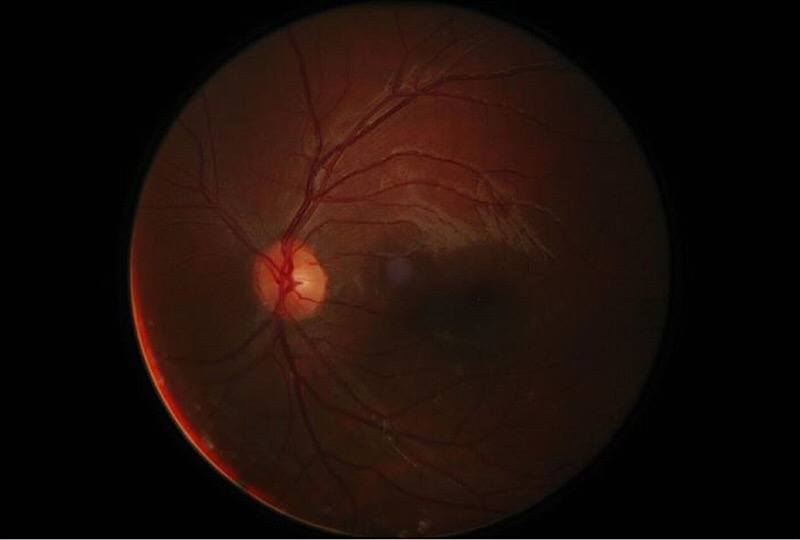
This will show age, blood pressure, and if the patient is a smoker. It will help determine their risk of experiencing a heart attack or other cardiac event. Google’s algorithm was accurate about seventy percent of the time, which is just a little less than currently used methods that are correct about seventy-two percent of the time.
So this may make you wonder why it’s such a big deal if it gives the same or slightly less results as current methods, but it could be determined more quickly and easily because it wouldn’t necessitate a blood test.
In order to create this algorithm, the scientists used artificial intelligence to analyze the medical data of a large set of patients, close to 300,000. Neural networks were used to comb through the data to look for patterns and associate certain data found in the eye scans with the varied cardiovascular risks, such as age and blood pressure.
How It Can Be Applied
That said, it’s not available in real settings as of yet, as it still needs to be tested more thoroughly. Yet a medical researcher with the University of Adelaide, Luke Oakden-Rayner, believes the research is solid and that it can be used to improve existing diagnostic tools.
“They’re taking data that’s been captured for one clinical reason and getting more out of it than we currently do,” noted Oakden-Rayner. “Rather than replacing doctors, it’s trying to extend what we can actually do.”
And the excitement of this new AI algorithm goes further than just this application of it. Most medical algorithms are created to duplicate current diagnostic methods, but this is looking at medical data in an entirely different way. So perhaps other medical testing can be created through machine learning as well.
The Future of Medical AI Algorithms
It’s thought that maybe someday, many years in the future, decades even, that we could be using AI doctors for diagnoses, eliminating the human error aspect of the current process.
This means it may be too late to diagnose any conditions or diseases that you may be at risk for, but perhaps it will be able to help your children, grandchildren, or great-grandchildren.
But they are already using something similar. In my yearly eye exam this year the doctor gave me an exam that examined the back of the eye through a scan. It wasn’t loooking for cardiovascular disease and was just determining eye health, but it was able to predict risk and not just what I was currently afflicted with. So perhaps Google’s algorithm isn’t that far away.
If an AI diagnostic tool was currently available to you, would you trust its data? Add your thoughts in the comments section below.