

iOS and iPadOS users have long wanted to change the default email and browser apps. Many of the native iOS apps are great, but Mail and Safari don’t always fit the bill. Finally, iOS 14 and iPadOS 14 will allow users to set third-party apps as the default browser and email clients, but Apple has released guidelines the apps will need to abide by to be allowed as default.
Why This Is Necessary
You may be saying you can use whichever browser or email app whenever you want, and this is true — to a point. If you want to send an email, sure, you can go to the Gmail or Spark (my new favorite) app and use it. If you want to Google something, go to Chrome or Firefox.
However, if you click on a link to send an email, it will open the iOS Mail app. If you click on a link in another app, it takes you to Safari. But you may want Gmail and Firefox. iOS 14 will allow you to set the defaults so that clicking links takes you to your desired apps.
Apple’s Default App Guidelines
Many are wondering how this will work and which apps it will work with. The betas for iOS 14 and iPadOS 14 still don’t allow changing the default apps, so much of this has been unknown. More of that was provided in the documentation Apple provided for developers.
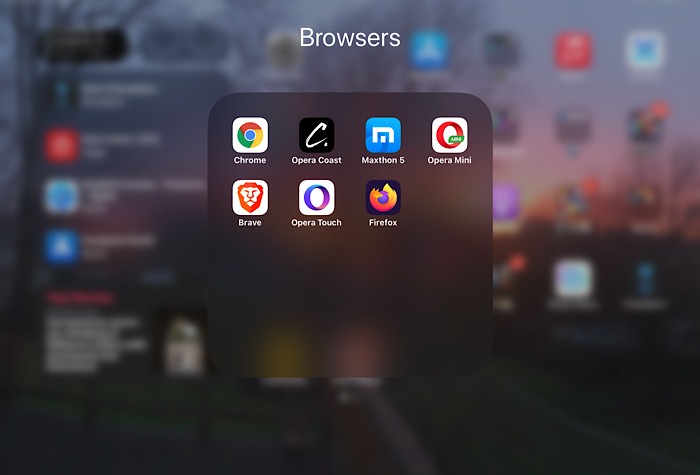
First and foremost, Apple is insisting on receiving a direct request. The default apps must use a specific entitlement, but just using that isn’t enough. The app will be rejected unless an email is sent to Apple, specifically asking permission to be used as a default app.
For web browsers, the company is requiring that basic browser functions are provided, as this will be your main access point to the Web. The browser must have a text field to enter URL and search terms, and it must also offer bookmark lists. The browser apps cannot be built using UIWebView and must use the newer WKWebView.
The browsers must send users to the app they requested and provide alerts for suspicious content or other possible difficulties.
“Apps that redirect to unexpected locations or render content not specified in the destination’s source code don’t meet the requirements of a default web browser,” explained Apple.
Also being rejected are apps that access unnecessary personal data, such as what is found on HomeKit, the Health app, and the always-on location services.
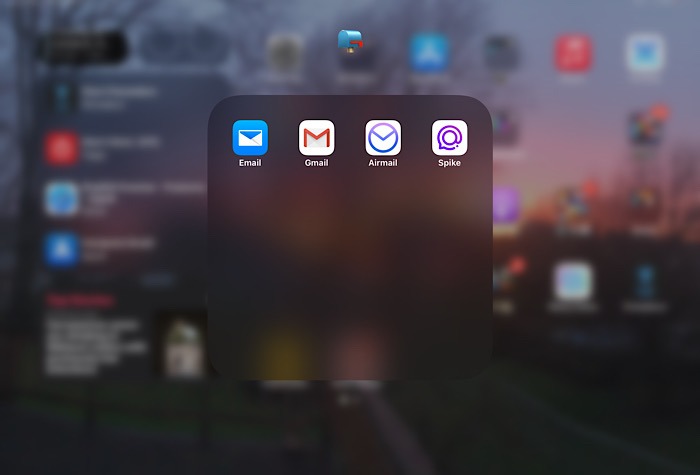
The same will apply to email apps that wish to be used as default. Default email apps must also provide the basic functions of sending and receiving content from any email address. Apple has also mentioned that it will allow email apps that provide user-controlled incoming mail screening features.
Each app will be reviewed to see if it meets the requirements to be used as a default app. These strict guidelines will prevent non-browsers and non-email apps from being used.
For the user, once you have installed iOS after it’s released in the fall, you’ll be able to change your default browser and email apps in the Settings app. So far, it is not included in the beta versions of iOS 14 and iPadOS 14, but that makes sense since Apple has just released the guidelines.
Find out more of what to expect in iOS 14 and learn everything you need to know.