


If you’ve been relying on Google’s URL shortener, goo.gl, to tighten up your links, you’re probably bummed to find out that Google has ceased support for this tool. As of right now, goo.gl is not available for anonymous users. Existing users can still use it until 2019; however, after that it will be discontinued indefinitely. Fortunately, there are a number of free URL shortening tools available.
What Is a URL Shortener, and Why Should I Use One?
In Internet lingo, a URL, or Uniform Resource Locator, is basically a web address. As of March 2016 there is estimated to be at least 4.62 billion web pages. Since each one of those web pages needs to have a unique address, URLs can be incredibly long, consisting of seemingly random strings of numbers and letters. Long hyperlinks pose a problem for a variety of reasons. They look messy, and in cases where the amount of text a user is able to input is limited (e.g. Twitter), long links are not practical.
To get around this problem, URL shortening tools began appearing all over the Web. These services could take a long URL and make it substantially shorter while still directing back to the desired web page. URL shorteners clean up links to make them more attractive and easier to remember. In addition, they reduce the amount of typing required if a person is copying the URL manually. There are a number of URL shortening tools available, but we’ve rounded up our five favorite services. Read on to determine which one is best for you.
1. Bitly
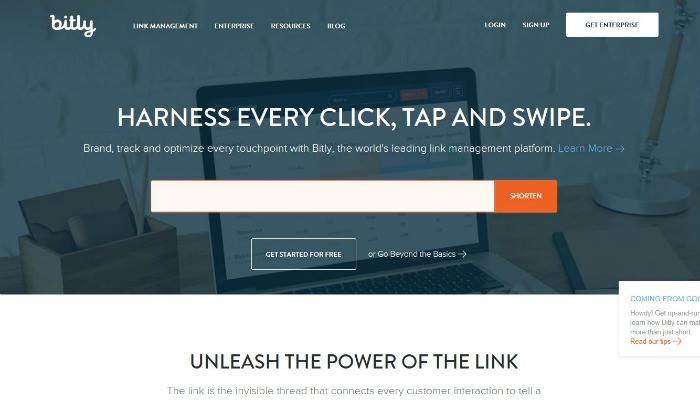
Bitly is one of the most popular and well-established URL shortening tools on the web. This is largely because Bitly became Twitter’s official URL shortening service back in 2009. Bitly is easy to use and reliable, as evidenced by the fact that they shorten about 600 million links every month. In addition to Bitly’s free service, they also offer a paid service called Bitly Enterprise. This allows companies to create their own custom shortened links. For example, soft drink manufacturer Pepsi uses “pep.si,” allowing the company to push brand awareness even when people use shortened links.
2. TinyURL
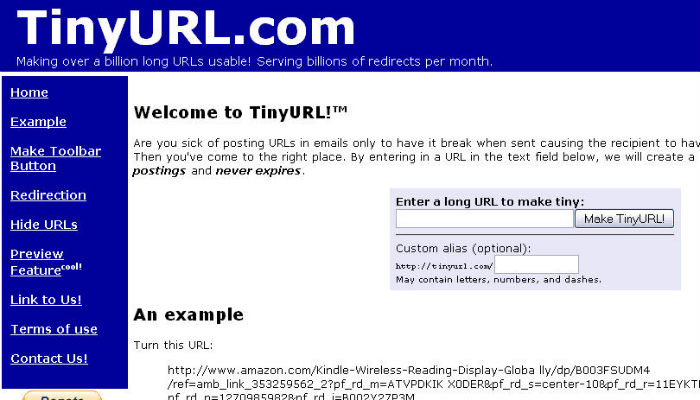
TinyURL is one of the oldest shortening tools out there, first going live in 2002. It doesn’t offer much in the way of flashy features, but it gets the job done. The only downside to TinyURL is the fact that the links it generates are longer than most other tools available. This is mainly because all of their links will start with “tinyurl.com/” followed by a string of letters and numbers. However, users are able to customize the numbers and letters that follow. This makes TinyURL a useful tool for those interested in branded links on a budget.
3. AdF.ly
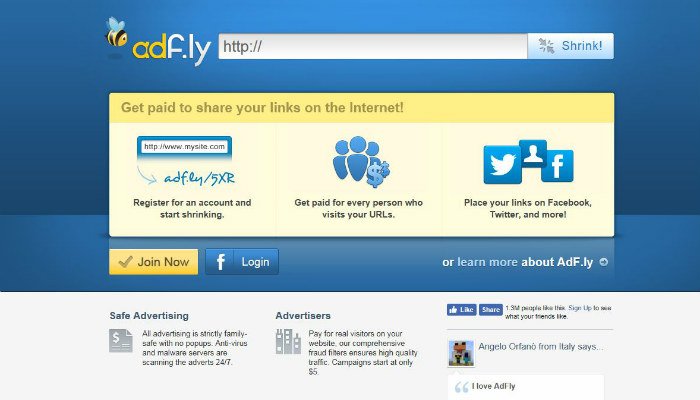
AdFly takes a unique approach to URL shortening. The service actually allows users to make money off the links that they create. The more clicks your links get, the more you earn. Of course this isn’t a get rich quick scheme. The amount of money Adfly pays out per click is pretty minimal. Fortunately, Adfly has a fairly low minimum payout. You only need to earn five bucks before you can request a payout to your PayPal or Payoneer account. If you create a lot of links, Adfly might be a good way to earn some passive income.
4. Is.gd
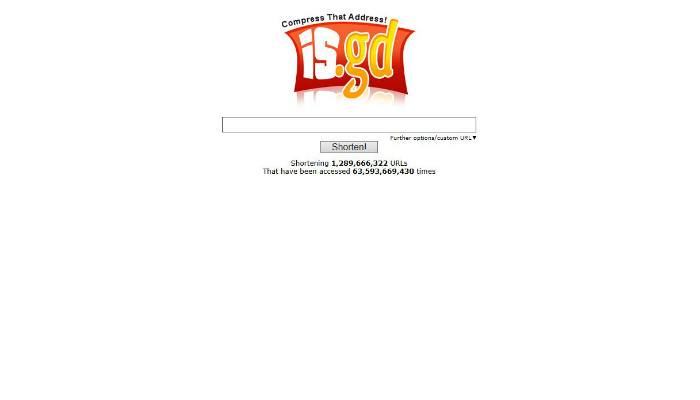
If you’re in need of a URL shortening tool that takes a no-frills approach to link tightening, look no further. Is.gd does not offer social media integration or analytical information. Instead, the entire website consists of a white background and a single text box. Simply input your link into the text box and click on the button labeled “Shorten!” That’s it.
5. Ow.ly
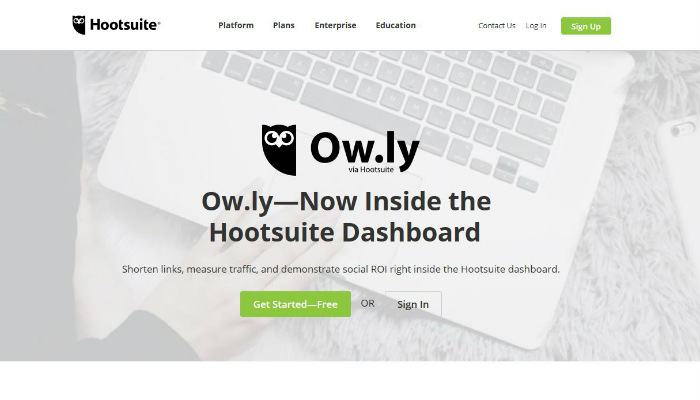
Ow.ly is part of the Hootsuite social media management platform. Unfortunately, this means that you need a Hootsuite account in order to use it. However, if you already have a Hootsuite account or are considering signing up, this is the URL shortener you should be using. This is because Ow.ly allows you to create shortened links and integrate them with your various social media accounts. In addition, Ow.ly also provides useful analytics. Free Hootsuite accounts do offer access to Ow.ly; however, be aware that there are some limitations.
Of course these aren’t the only URL shortening services on the Web. What is your favorite URL shortening tool? Let us know in the comments!