

Google is just so much a part of our daily lives. Forget our tech lives – it’s a major part of our lives. Even if you rant often about Google, it’s still ingrained in your life in some way. But now, Google wants to pull out. While Google has allowed us to use it for all our storage, it’s going to start charging us and will also delete our files.
Changes to Google Storages
Google published an update to its storage policies this week on the company’s blog. They aren’t changes anyone is going to want. These changes will affect Gmail, Photos, Drive, Sheets, etc. It will be limiting storage. If you want more, it will cost you. If you are just wasting space and not using it, it will delete your files.
Luckily, Google is giving us plenty of time to get our storage inline and/or get used to the idea. The changes won’t take effect until June 1, 2021. If you’re a G Suite or Google Workspace user, the changes may affect you a little differently.
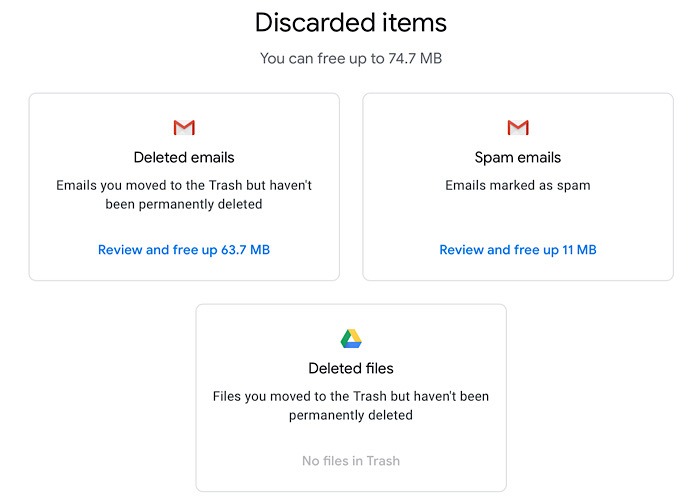
Each Google account will still hold 15GB of free storage across your entire account, meaning that amount needs to contain your Gmail, Drive, and Photos. But, your existing files won’t count against the 15GB. Google won’t start counting until June 1. They estimate it will take users several years to get to that amount.
You can manage your storage with tools that are very enlightening. I’m not known for deleting my Google data. It allows me to store everything, so I do. Despite holding all my personal email and all my photos and some documents for at least 13 years, I’m still only at 10GB. But I can easily manage it with the tools provided.
How It Will Affect Your Photos

Every photo or video uploaded in high quality in Google Photos on June 1 or after will count toward the 15GB storage limit or an upgraded amount that you have purchased. And again, Google is not including prior photos in that storage limit. It estimates 80 percent of users will take three years before reaching 15GB. Again, I’m only at 10GB, but I don’t store all my documents in Google – not even close I store a handful every year.
How It Will Affect Your Docs, Sheets, Etc.
Also starting June 1 will be your storage allotment of Docs, Sheets, Forms, etc. But this is where it gets a little scary.
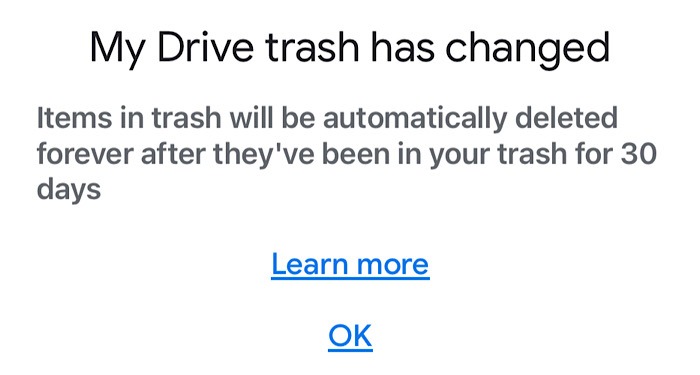
If you’re inactive in any of these Google services for two years, it may delete the content in the service where you’ve been inactive. Google will warn you it will start deleting those files, but it will be deleting them. It’s already started deleting files after they’ve been in the trash for 30 days.
Additionally, if you’re over your storage limit for two years, Google may delete your content through Gmail, Drive, and Photos. Again, they’ll warn you through email first.
This means you just have to occasionally visit these services to be sure you don’t fall inactive. Also, note that each personal Gmail you have gets 15GB storage. But, if you start creating multiple accounts for your storage, that’s just that many more services you have to check into to make sure your files aren’t being deleted.
June 1 may seem like a long way off, but it’s going to creep up before you know it. Clearing out your Google storage could be a good project while on COVID lockdown. Follow this guide to learn how to transfer Google Drive files from one account to another.