

It’s tough when politics get involved with business decisions. Nevertheless, sometimes countries or otherwise political entitles do so to play a little hardball and business gets caught up in it. That’s what happened to Huawei and Google recently when political trouble between China and the United States forced Google to revoke Huawei’s Android license.
But we barely even got this news published before it was learned that Huawei was given a 90-day reprieve. Most assuredly, this gave them, as well as their customers, many reasons to breathe a sigh of relief. Huawei announced in an emailed statement on Friday, May 31, that they have been “reinstated” to carry the Android Q service.
Huawei’s Android License Turned Around
In the midst of a trade war between the leaders of the United States and China, the U.S. government had reason to believe that China could install a backdoor on Huawei devices that would allow them to spy on American networks. Huawei denied that was a possibility yet still appeared on the U.S. Commerce Department’s “Entity List,” barring them from buying tech from U.S. companies.
This meant, as an American company, Google was forced to comply with the order. To do so, they revoked Huawei’s Android license, leaving them restricted to using the Android Open Source Project (AOSP).
But on Friday, March 31, an emailed PR statement was sent out explaining “a momentous update for the company in light of recent events.”
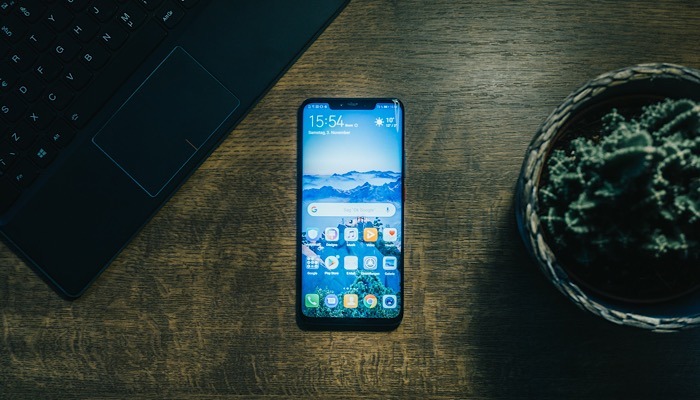
Huawei announced they had “been reinstated in the following major tech associations including SD Association, Wi-FI, Bluetooth, and Android Beta Q.” For right now, the Huawei Mate 20 Pro is the only device cleared for Android Q, but “discussions are still ongoing.”
Huawei’s membership in SD Association was “never outright cancelled” and only “temporarily modified to ensure compliance with the U.S. Department of Commerce order.”
That said, there has been news since we first heard that Google revoked Huawei’s Android license that Huawei was working on building their own operating system. It’s been given the name “Ark OS,” according to European trademark filings.
What Does this Mean for the Future of Android on Huawei?
It is just not known at this point what this means for Huawei, Google, and Android. Nothing more was said in the emailed statement. It’s unknown if by “reinstated” they only mean for that 90 days or if they are indicating it’s been reinstated beyond that.
And of course, we’re dealing with politics and volatile individuals who are tossing out stipulations on trade. The order Google is or was obeying could change on a dime.
If you’re a Huawei user, does this news worry you? How do you make heads or tails out of this? Let us know in the comments your thoughts on Huawei getting its Android Q license reinstated.