

Just as technology changes, our technology must keep up with it. Now that many people are working from home wherever they can, it’s forced changes into the workplace. Google recognizes the need to stay updated with these changes and has rebranded G Suite as Google Workspace.
Rebranding G Suite
As Google explains it, “Everything you need to get anything done, now in one place.” That’s certainly an attractive thought. It seems more and more, I end up with multiple apps that do similar things, as none of them do everything I need. Having all of it in one place certainly seems ideal.
Apps such as Gmail, Drive, Docs, and Meet are used often by business, and this is why they were part of G Suite that was initially launched in 2016. Earlier this year Google introduced new collaboration tools and Google Meet integrations — so necessary in today’s world.
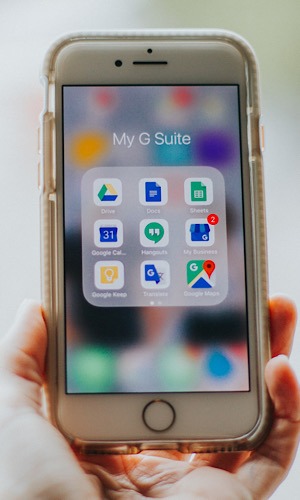
Now that these new tools are being added to the other tools in G Suite, the company rebranded it all as Google Workspace and introduced new logos as well. The VP and GM of Workspace, Javier Soltero, explained Google wanted to be sure the service people use is the same thing they are buying.
Google said in its announcement that Google Workspace includes the “tools you love, thoughtfully connected” and provides “smart suggestions to help you prioritize” and “flexible solutions for every business.” For the most part, Google Workspace is G Suite with the new collaboration tools integrated.
The New Google Workspace
The company explained that “all Google Workspace plans provide a custom email for your business and include collaboration tools like Gmail, Calendar, Meet, Chat, Drive, Docs, Sheets, Slides, Forms, Sites, and more.”
But now the chat features are more tightly integrated with the tools. With the upcoming features will be the ability to create documents and collaborate with others in Chat rooms. You’ll also be able to preview links in Docs, Sheets, and Slides and won’t have to introduce a new tab to view them.

If you mention somebody in a document, Workspace will open what Google is referring to as a smart chip, providing contact details and suggesting actions you can take from there. While Gmail and Chat already allow a picture-in-picture mode that allows you to participate in Google Meet video calls from within those tools, now you’ll be able to do the same in Docs, Sheets, and Slides.
Your business can try Google Workspace for free for 14 days. The pricing of the business plans will remain the same for the most part, but the plans themselves have changed. The plans range from $6 to $18 and up monthly and increase cloud storage and the number of participants allowed in video meetings as you go up in price.
There are additional tools that can be added on to Google Workspace plans for a premium fee as well.
If you’re looking for an office suite alternative rather than sticking with Google, check out our review of OnlyOffice.
Image Credit: Google and public domain