

If you’re like me, you can spend hours scrolling through your camera roll on your phone, looking for that one photo you took five or six years ago. Google is aiming to put an end to that. They have added easier ways to search for photos and are also granting a limited number of users early access to the new AI Ask Photos feature.
New Improved Photos Search in Google Photos
Google estimates that half a billion people search through Google Photos each month. Aiming to make that process a bit easier, Google added the ability to search with more natural requests, rather than using keywords or flipping through blindly.
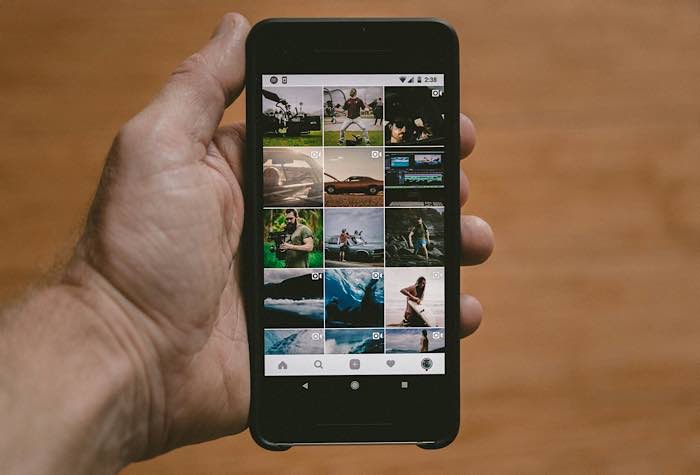
In a blog post, Google suggested you could ask such things as, “Alice and me laughing,” “Kayaking on a lake surrounded by mountains,” and “Emma painting in the backyard.” Admittedly, that would be very helpful. You can also choose how to sort your results, via date or relevance.
This feature is now available to all Android and iOS users, and Google is promising to expand to more languages in the coming weeks.
Tip: to aid in your search, learn how to add descriptions to photos and albums in Google Photos.
Get Early Access to Ask Photos
If the just-released upgraded photos search features aren’t enough for you, Google is also allowing early access to Ask Photos, an experimental AI feature that takes advantage of Gemini. It’s available now by request to select users in the U.S.
Ask Photos has a greater understanding of the context of your photos and videos. Google suggests that it understands who the most important people are in your life, your hobbies, and even your favorite food. It will use these understandings to help you find the photos and videos you’re searching for.
This feature is even smart enough to understand time references and places. It knows when you were at a given location last, or at least the last time it was documented. It knows what you had for dinner when you were at a certain restaurant a year ago – again, providing you have documented it with a picture in some way. If Ask Photos can’t dig up the photo, you can provide it more information to help it get there.

Ask Photos does more than just locate photos for you. It can also find the best photos of an event and summarize what you did during a recent vacation.
Google also took care to note that they are taking a “responsible approach” with Ask Photos, noting that it’s all with guidance from their AI Principles. They are still protecting your data and privacy and aren’t using your data for ads. However, some of your questions to Ask Photos may be reviewed by people at Google – yet, only after you’ve been disconnected from your account.
You can sign up for the waitlist if you’re interested in getting early access to Ask Photos. If you don’t want to wait for it, check out our review of Mylio Photos, with similar features. But if you’re going the other direction and want nothing to do with these new features, check out these Google Photos alternatives.
Image credit: Unsplash