
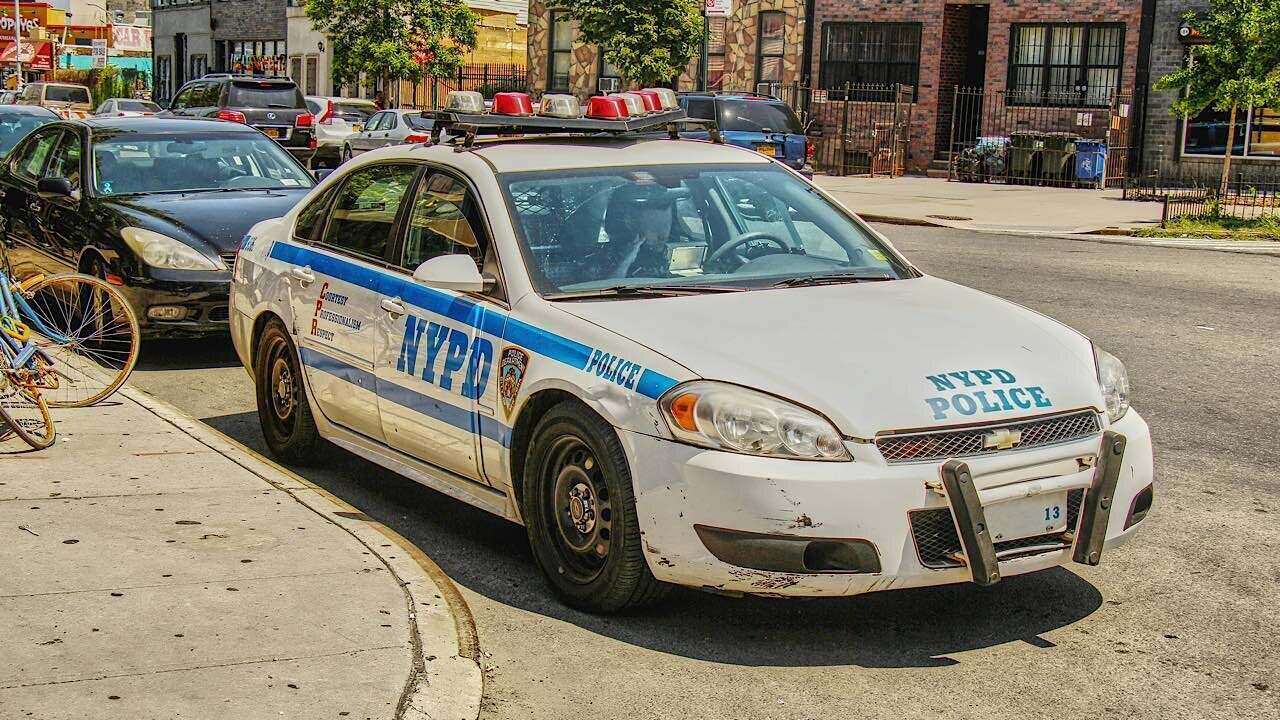

If you’re running late and want to step on the gas pedal a bit, you want to know whether there are any cops around to bust you. Google Maps stepped up the game to join Waze, leaving both apps to warn you when there are cops nearby.
Google Maps Picks Up Warning Feature About Nearby Cops
But what’s really interesting is that with Alphabet owning both Google Maps and Waze, when you report something on Waze, the warning will show in both apps. And when you report something on Google Maps, it will again show in both apps. Using one of those apps over another one leads to a definite advantage.
There was an advantage to Alphabet buying Waze. Now it can implement Waze features into Google Maps. While there were multiple new features added, of specific interest is that the app will warn you if there are cops close. While you were previously warned about car crashes and speed traps, now you can be alerted to those, as well as a police presence.
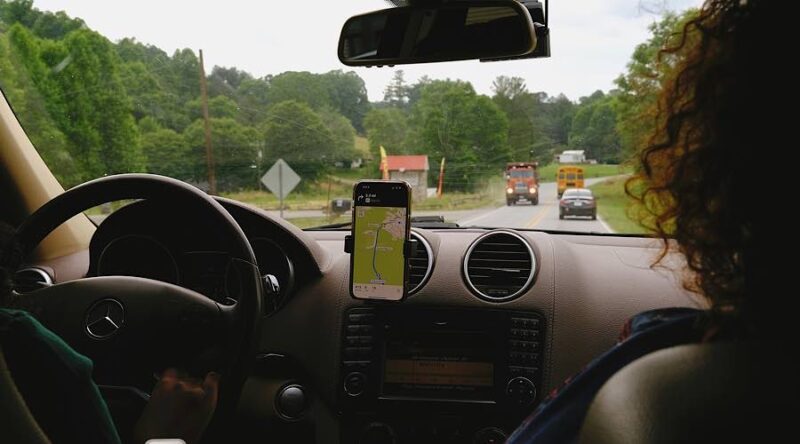
Other users of the Waze and Google Maps’ iOS, Android, and auto apps report when they see police and other items of interest, and that allows you to receive the warnings when you’re passing through the same area.
Additionally, in the coming weeks, Google Maps will release “Destination Guidance.” This feature will highlight the building you’re headed to in red and will show the entrances in green. Parking lots will be lit up as well.
There will also be a new interface for Google Maps, which is designed to be safer, so that it will be easier to access different features while you drive. There will be a larger report icon in the bottom right of the screen. This will open to a menu of more icons, all larger, intended for reporting road hazards and slowdowns.
Tip: While Google Maps does not have this feature by default, you can still easily find the halfway point between two pins in Google Maps.
Waze Picks Up Features Too
Google wasn’t the only winner in this features release, as Waze also picked up some new features, ones that Google Maps isn’t getting – at least for now. You can now report traffic lights that do double duty to track your speed and whether you’re wearing a seatbelt or are texting.
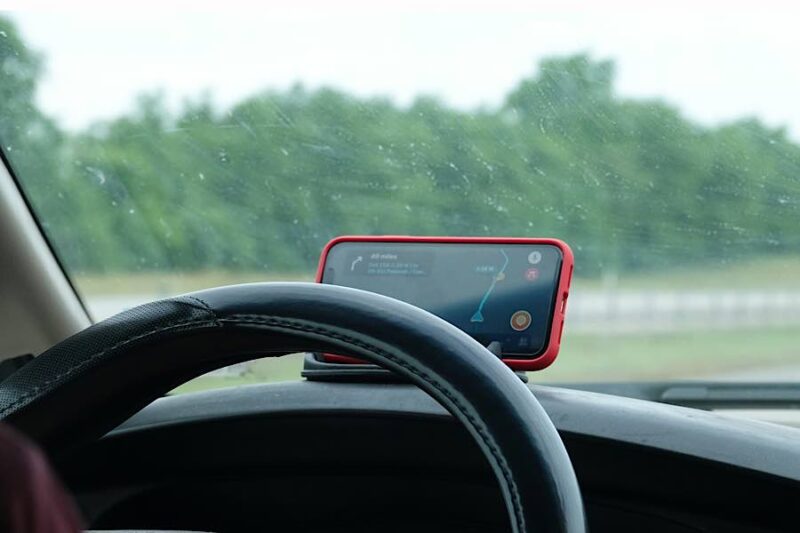
Publicly available data will also be used to mark up the maps, and navigation and other directions will appear on your lock screen this month on Android and later in the fall if you’re on an iPhone. You’ll also be alerted to whether special events, like a concert, parade, sporting event, etc., will slow you down on your travels.
The changes made to both Waze and Google Maps will help drivers stay safe, as well as in the know. Finding out how a concert will affect the traffic isn’t a matter of safety – but it is something that could help you plan your drive. Likewise, knowing a police officer is nearby most likely won’t save your life, but it could save you from a speeding ticket.
Alphabet raised the bar for navigation apps with these changes, which could also help you decide whether to use Google Maps or Waze, or even Apple Maps or an alternative.
Image credit: Unsplash