


For as long as we’ve had online content, there have been worries about it being fake, especially with reviews. Sometimes it’s hard to know if the glowing review you are reading is real. Google decided it’s done with that and is issuing restrictions on business found to be posting fake reviews to its Maps app.
Be Wary of Fake Reviews
I’m in the review business, and have been for 21 years, so I understand fake reviews. It’s hard to compete with them, quite frankly. I was even tasked by one company to sniff out their fake reviews. And you have to believe that AI just makes the problem more prevalent.
Businesses want glowing reviews. I’ve had people giving me a service here locally offer to give me the service for free if I leave a glowing review, showing how hard they’re working trying to compete. I will, but it will be an honest review. I’m not going to write that something is the best if it’s not.
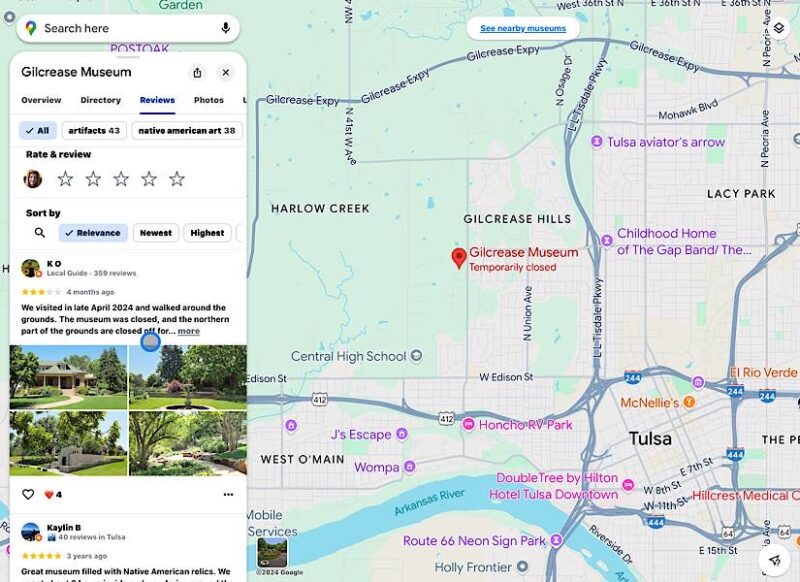
Google knows that and is making changes to remove the fake reviews from its Maps service. Businesses want to be seen on Google Maps and want it to show glowing reviews as well so that customers don’t go to the business down the street instead.
They will pay people to write fake reviews, promise them goods and services, or even money, if they post a good review. And with the amount of real and fake reviews on Maps, the app has become a bit cluttered. Of course, one of the reasons it has become cluttered is because it has started showing ads.
Google Is Removing the Known Fake Reviews
Noting that they “take fake and/or incentivized reviews and ratings on businesses very seriously,” Google announced that it would be imposing restrictions on business profiles that violate the Fake Engagement policy to help curb the fake reviews. And this isn’t the first time that Google has gone after fake reviews.
Google further explained that the potential restrictions could include the business profile not being allowed to receive new ratings or reviews, existing reviews or ratings going unpublished, or a warning to consumers that fake reviews were removed. Businesses would be notified by email if restrictions were placed on them.
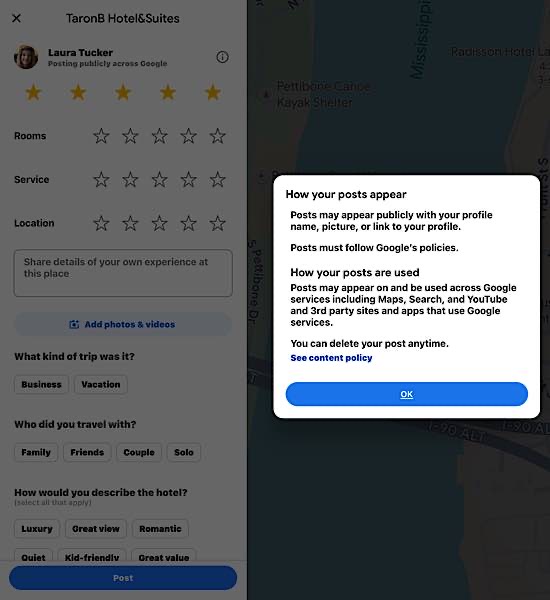
While these punishments sound like a slap on the wrist, it does take away the very thing businesses are trying to achieve. Further, businesses can appeal the restriction, and Google will take another look at the business’s profile and determine whether it should rescind the restriction.
Darcy Bickham, Senior Content Marketing Manager of SOCI, said, “This shift is crucial because reviews play a pivotal role in customer decision-making. Maintaining a clean, authentic online reputation is more important than ever, and marketers must be vigilant about monitoring reviews and responding to potential violations.
“Google’s crackdown on fake reviews means that businesses can no longer rely on questionable reputation tactics, reinforcing the need for transparency and authenticity in digital marketing strategies.”
She also pointed out the “significant concern” of “false positives,” with a business being wrongfully accused. Additionally, she believes there’s a chance that a business’s competitors could post fake reviews to complicate the review process.
In the past, Amazon has blamed social media for fake reviews. I don’t know if that’s at fault, but I do believe all of it needs to be addressed. I don’t think Google’s restrictions are going to solve everything, but I do think it will start to make a dent in the problem.
Image credit: Pixabay. All screenshots by Laura Tucker.