


Google seems to be making many changes lately to their various features. Google Maps is one of the services getting improvements. This new feature will help you plan events with your friends and family by allowing everyone to vote on a location of where to meet. It sounds really great except for one thing – it’s not really new.
Google’s New Feature
This feature will be available on both Android and iPhone. It will help you when planning where to meet up. You can choose a few different restaurants, bars, or other establishments as possible meeting places. You can share these possibilities within the Google Maps app, and that will allow everyone to vote on their choice.
Instead of using various other chat apps, such as text messages, Facebook Messenger, or WhatsApp, you can do this all right through Google Maps. Others can add or delete places from the list. It’s true collaboration.
And of course, since it’s through Google Maps, the choices are all shown on a map so that everyone will know how to get there and can ask for directions if needed. It makes the process sound much easier and of course is all very democratic.
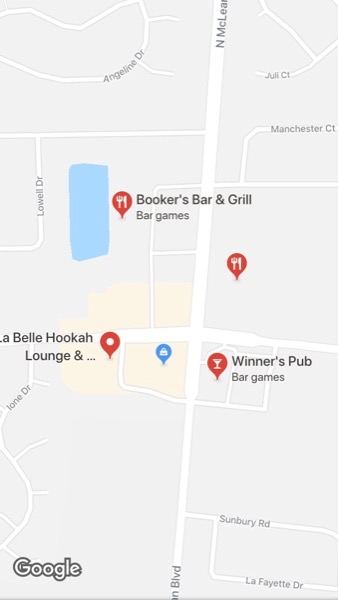
You’ll need to have Google Maps installed on your device, of course, and will need to be signed in to your Google account, as will everyone else.
This all sounds exciting and new, except it’s not something revolutionary. It’s already in play in at least one other app.
Calio
Earlier this year I did a review on Calio and really liked it. It’s not a maps app but a calendar and reminder app. It has a ton of great features, but the one thing I really liked the most was the ability to plan events with your friends and family.
When you are setting up a calendar appointment, you can invite your friends/family to your appointment. Along with allowing everyone to place a vote on their preference for where to meet up, a meeting date and time can be voted on as well.
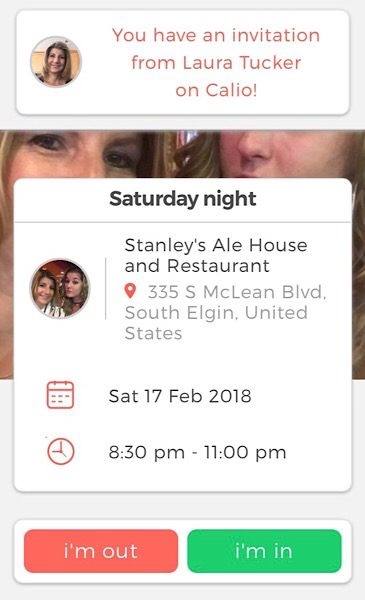
It was my favorite feature of the app. Unlike Google Maps, all users don’t need to have the app installed. They could see the choices and vote on them through a web link. But what I had a problem with was getting people to use this feature. They still preferred to use a messaging app making it not a timesaver for me.
That’s what will be interesting about this Google Maps feature. Will people use it? Or will they still prefer just to plan events the old-fashioned way through a chat app?
Conclusion
This new Google Maps feature sounds like it could be revolutionary, at least to Google if not the mobile world as a whole. But it’s unknown if people will actually use it.
What do you think about this new feature for Google Maps? Do you think it’s something you will use? Do you think it won’t make a big splash since it’s already available on other apps? Let us know what you think about this feature in the comments section.