

We don’t need to go over how Google has spread to every single corner of our online world. Whether it’s Gmail, Google Maps, YouTube, Google Search, Google Chrome, Google Docs, etc. If there’s something you can do online, Google is there offering an option to do it.
And now it’s making one of its apps do everything. Google Maps no longer simply provides directions to get to anywhere in the world, now it allows you to do more to not just find a business, but get reviews, leave reviews, and now even message the business, all within the Google Maps app on both Android and iOS.
Google Maps Changes
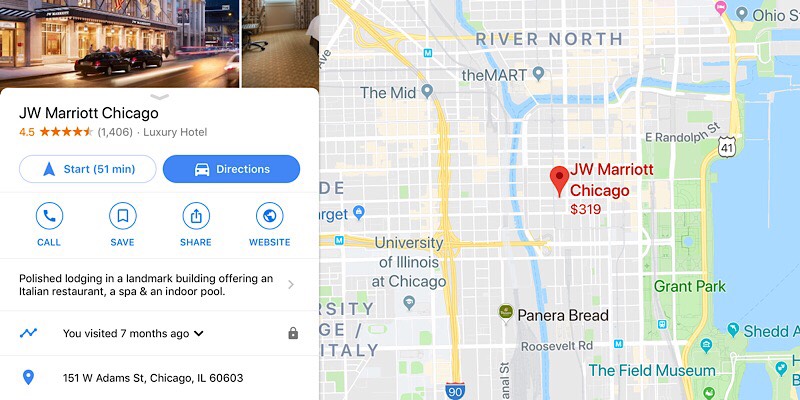
Most are familiar with the Google Maps app. Simply input an address of where you want to go and get directions on how to get there, how long it will take to get there, options for getting there, etc. There are also other navigation apps, but 67% of smartphone users prefer Google Maps as of a report earlier this year.
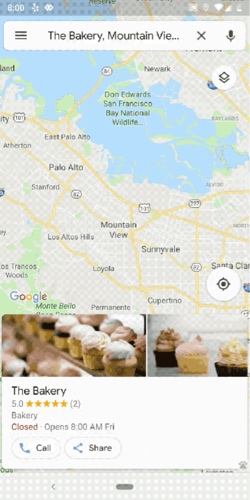
But now they’ve added on more features. One includes the ability to add reviews to business that are similar to what you’d find in Yelp. If you ask the app to find restaurants near your location, you can then click on the options to read the reviews. After your visit, you can leave your own review.
Additionally, you can share your location from the app, and this of course allows you to allow your friend and family to meet with you. This option isn’t that necessary, as it’s also simple enough to do the same in a messaging or social media app.
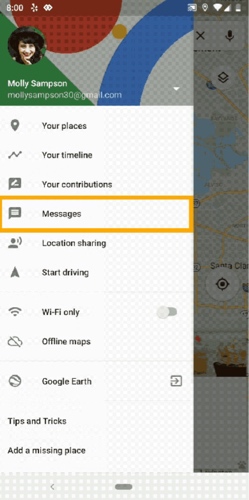
But the most interesting thing it has now added is a “messages” option. This allows you to message businesses directly to make a reservation at that restaurant or to ask what their soup du jour is. You can take care of it right in the Google Maps app while you’re on the go without having to leave the app.
“Now you’ll see your messages within the businesses you connect with via Business Profiles within the Google Maps app, where you’re already looking for things to do and places to go or shop,” said Google in a blog post. “You’ll find these messages in the side menu of both Google Maps for Android and iOS.”
All that sounds really interesting, and you can see how it works from the images provided by Google. However, I could not get it to work on my iPhone and iPad. I could not get to “Messages” and don’t have the same menu as shown. Granted, I have iOS and not Android as depicted here; however, they say this change has been rolled out to both platforms, and my app has a recent update.
Yet, I do have the reviews on the app and do have the option to leave my own review. They have also added a new Google My Business app for businesses that want to sign up to start connecting via messages. So it’s possible that the businesses I located have not signed up yet in order for me to message them, but I still don’t have the messages option in the right side menu.
Furthermore
With all that said, even assuming that all this is working correctly, is this really something that we need? Do we really need an option to message businesses within the Google Maps app?
I know there are many who believe Google is already overstepping its bounds in their daily online lives and intentionally do not use Google products to avoid them. This definitely isn’t something they want.
And even for others who aren’t normally bothered by it, could this be leading them to join the others and now be bothered by it? While checking businesses near me, including a restaurant/bar I frequent, Google Apps “helpfully” told me I had been there within the last month. Know that I have not connected with Google at all with regards to being at that business, yet through my online activity, they already know.
Is this just another Google intrusion in our lives? Or do you see the new Google Maps messages option as something useful? Let us know in the comments section below how you feel about this.
Image Credit: Google Blog