
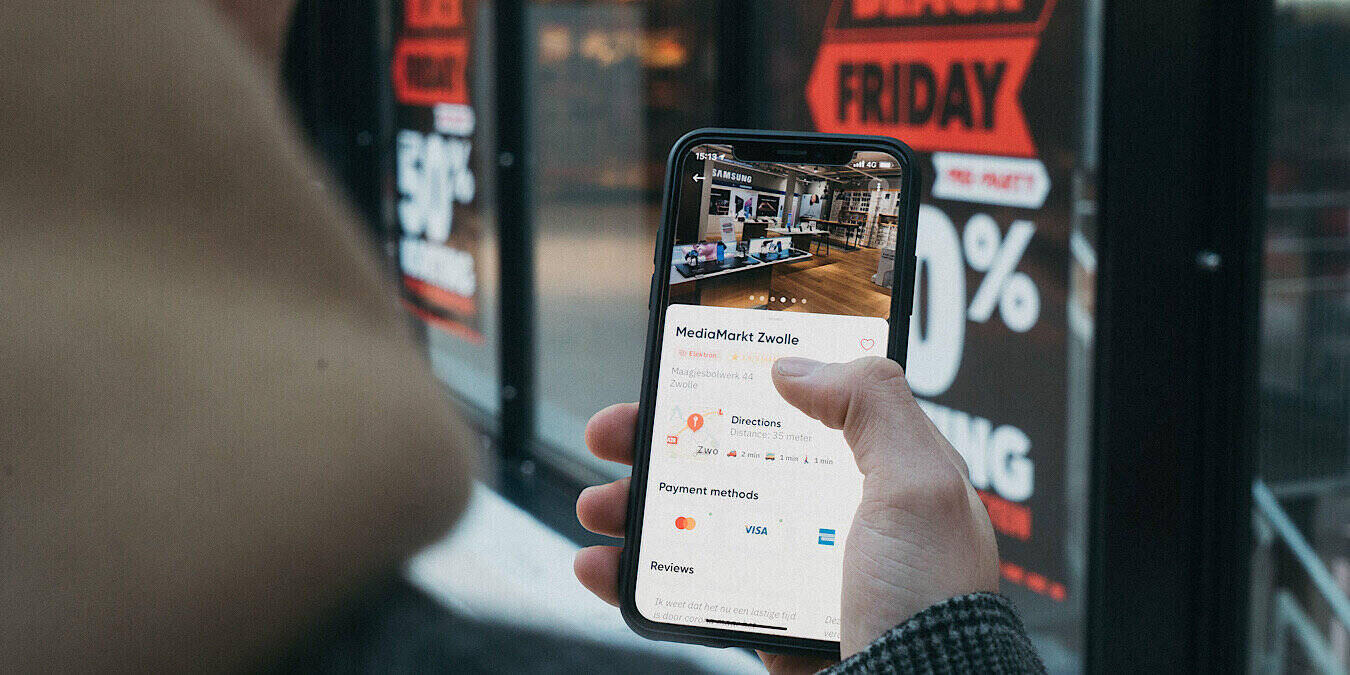

While the holidays are always something to look forward to, they can also be extremely stressful. Planning, shopping, cooking, entertaining, etc. – there’s just only so much time. So why waste it? Google Maps is updating to help with your Black Friday and holiday chores, whether you’re shopping, picking up groceries, or traveling.
Helpful Changes to Google Maps
Whether you’re always looking for the next party or prefer a party of one, Google Maps will be helping you out on Black Friday and throughout the holidays.
Some people wouldn’t dream of missing Black Friday but may not enjoy the crowds. For them, there is “Area Busyness.” This feature utilizes algorithms Google has been working on for some time to gauge the crowds.
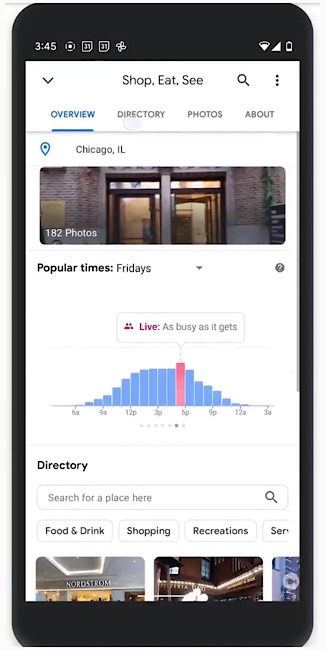
Area Busyness will let you know when certain areas of town are at their busiest, so you’ll know when to avoid that particular store. Maybe that super-cheap Black Friday smart TV just isn’t worth it. Google Maps can even tell you which times of the day an area is its busiest.
However, some people thrive on that party atmosphere and want to know which nightspot is the place to be, the spot where everyone is crowding to. Google Maps can show you that too.
In addition to this, the Directory tab is expanding for airports, transit stations, and malls. Whether you’re trying to cross items off your gift list or traveling to spend the holidays with your family, Google Maps can help you get it done more efficiently.
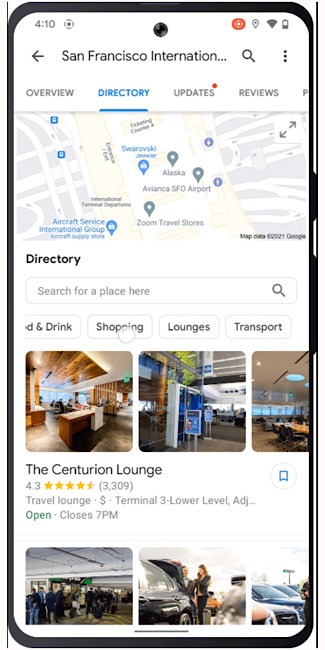
When Google has the data, Directory will let you see which stores are in a mall and where the car rental companies are in the airport. in addition to this type of listing, there is also information about business hours, ratings, etc.
Aside from holiday shopping, there is also food shopping, whether for your weekly meals or holiday feasts. Google Maps is expanding its pickup service to more locations. It will now be available in 2,000 Kroger Family Stores across 30 states. This includes Kroger, Fry’s, Ralphs, and Marianos.
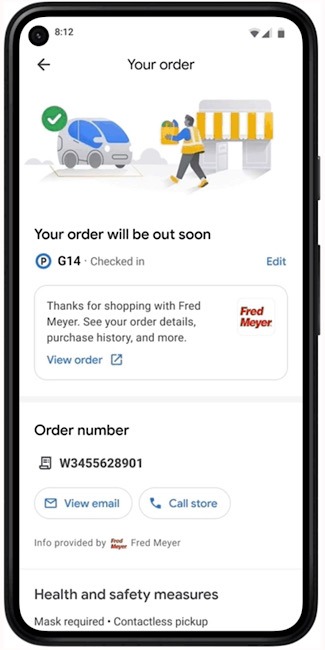
Place your grocery order online, and pickup will help you track it, share your ETA with the retailer, and let them know when you have arrived. It takes the stress out of food shopping.
But of course, if you want to take all the stress out of preparing for dinner, you can just go out to eat. Google Maps could always help you find a restaurant, but now it makes it even easier.
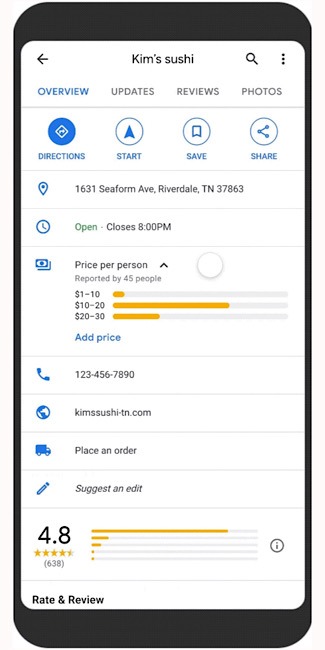
The app will now show you the price ranges of your dining choices and more detailed reviews that will include things that are necessary in the age of COVID, such as whether there is outdoor seating, curbside pickup, delivery, etc. It’s the information you want to know all collected in one place.
Availability
The expanded Directory and pickup are already available in the Android and iOS apps. The other features will be rolling out in the next few weeks, just in time for the holidays.
This is one holiday season that will be less stressful, thanks to Google Maps.
Be sure to stick with Make Tech Easier in the next few weeks to learn of many great holiday and Black Friday deals, products, and options. Also follow this guide to learn how to find the best Black Friday deals on your own.
Image Credit: Google Blog