

Not that we really needed Google to have another way to track us, but they created one nonetheless. The G Suite productivity apps will now show your employer if you’re using their apps, such as Docs, Sheets, and Slides. The most troubling aspect of this is that it seems once you give employers that type of tool, it’s just a quick jump for them to track you even more.
“Work Insights” Tool
Google is getting ready to launch a new tool called “Work Insights” for its business customers. This will allow employers to see who among their staff is really using the G Suite productivity apps to create docs, spreadsheets, presentations, or simply send email.
Microsoft offers the similar “Office 365” business apps, and Google’s new tool is very similar to Microsoft’s analytics product for those apps.
To put a positive spin on this tool, one explanation for it is that it will let IT administrators stay on top of their staff and see if they might need training on the G Suite apps. It can also show how teams use the apps to collaborate, such as through Docs, Hangouts, etc.
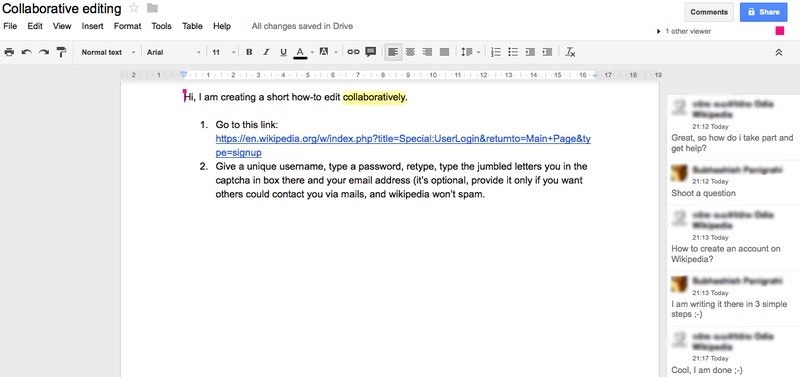
“The insight can help executives identify opportunities to strengthen collaboration and reduce silos,” Google said in a blog post regarding “Work Insights.”
The tool is currently only available in beta but was announced at a Tokyo Cloud event along with other tools that will help IT administrators locate security threats.
The Downside
The downside here is obvious. What is being lost is privacy. It seems to be that Google always sees its users’ privacy as expendable. Initially it was easy to look past their tracking efforts, but they don’t stop and just take it further and further each time.
The biggest knock against Google is that they use all our data to target us with ads that they believe we will enjoy. It can be a bit unnerving to see ads pop up for something you just searched for on Google moments before.
Along with our search data, Google also has all our content from all its apps. They know a lot about us. Our name, address, phone number, location, etc. Everything you’ve ever filled out, created, or stored on a Google app is stored somewhere.
And now on top of all that they’re going to be taking not just your personal information, but your information that you use at work as well. And they’re going to be giving it to your employer.

Sure, with “Work Insights” they’ll be able to tell if you need further training on an app, but they’ll also know how much time you spend actually working and how much time you’re not spending on G Suite, such as the time you’re sneaking onto Facebook or Twitter or messaging your friends.
You may as well have a security camera focused on you, watching your every move.
Conclusion
Perhaps we’ve taken the whole tracking idea too far. It was a helpful idea to begin with, but it’s never-ending. We are being tracked more and more and more. It started with our search history, but it’s gone so far as to stretch into our work habits.
I ask this question knowing what the answer will be. I know when I ask how do you feel about the new “Work Insights” tool, that most readers here won’t like it. Most Make Tech Easier readers value their privacy, and if you’re now losing your work privacy, I think I know what your answer will be.
But I’m throwing caution to the wind and asking anyway. How do you feel about the new “Work Insights” tool? Do you see an end in sight for the information Google takes from us or do you think they’re just going to continue to get more and more emboldened? Let us know in the comments.
Image Credit: Google Doc Subhashish Panigrahi via Wikimedia Commons with others being Public domain