

There is definitely a virtual assistant war between Siri, Alexa, and Google Assistant. Alexa is the proven queen in this space, but that doesn’t stop the others from trying to fight for a larger piece of the pie. Google Assistant announced five changes, and one of them will help you find your iPhone.
Google Assistant Changes
I even have the virtual assistant war in my home. I forget whether I’m addressing Siri or Alexa. I have no interest in adding a third assistant, but with these changes, Google would definitely like me to. The following is a list of changes the company is hoping will convince people to use Google Assistant.
1. “Hey Google, find my iPhone.”
This is actually an existing feature of Google Assistant. You can ask it to help you find your misplaced phone. But now, you can be more specific and ask to find your iPhone. The feature requires you to opt in to notifications. When you ask for help finding it, you’ll get a notification on the phone, and it will ring, even if you have Do Not Disturb turned on or it’s in silent mode.
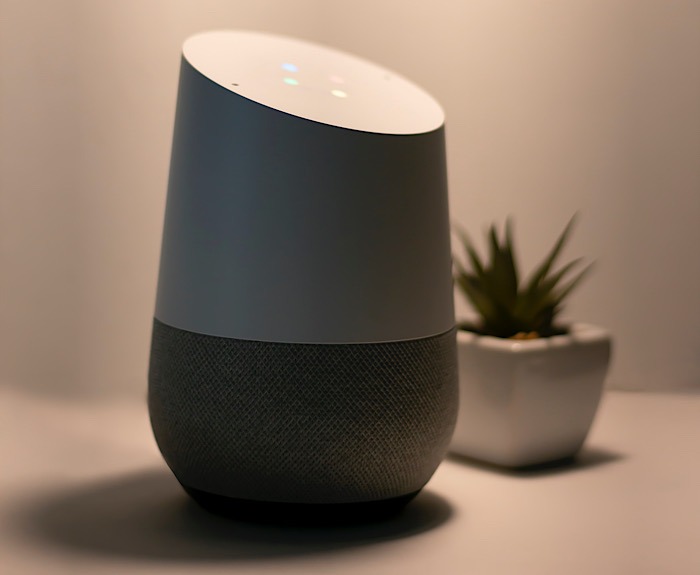
Of course, you can already do this with Siri, but if you have a Nest speaker or display, it can now help you. Interestingly, Apple just revamped its Find My service.
2. Order Takeout
With many restaurants closed to inside sit-down service at points during the pandemic, we found an all-new reliance on takeout. And this went beyond pizza, burgers, and Chinese food. Most restaurants offered a curbside service just trying to stay afloat.
Google Assistant works with Duplex on the Web to help you place those orders. Search for a restaurant on the Google app and choose” Order Online” or” Order Pickup,” When you’re done, “check out,” and the assistant will fill out your contact and payment information.
3. Sunrise/Sunset Routine
Wouldn’t it be great if instead of our smart home devices activating at a certain time they did so at sunset or sunrise, no matter the time? Google thinks so too.
The light in your home could turn on when the sun goes down. Your lawn could be watered when the sun comes up every day. You can even group actions together in a “Routine.” Of course, Alexa can do this too.
4. More Routines
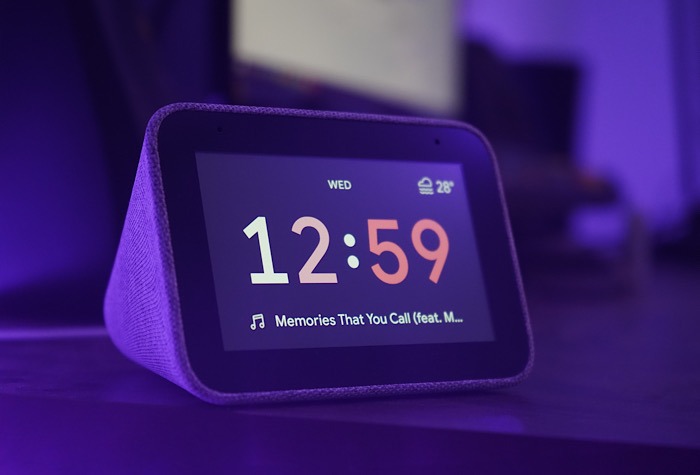
Routines aren’t limited to sunrise and sunset. You can program assorted actions into a routine. Google Assistant even has some routines ready to use, similar to Alexa routines and Siri’s shortcuts. But Google Assistant also employs shortcuts for your favorite Routines. You can add those shortcuts to your home screen.
5. “Hey Google, Tell Me About the Oscars.”
That’s right – the last Google Assistant change is all about the Academy Awards. It will answer many questions you have. According to Google, you can ask, “Hey Google, who’s nominated for Animated Feature Film at the Oscars?” “Hey Google, what are your Oscar predictions?” or “Hey Google, who do you think is best dressed at the Oscars?” You can also put on formalwear and ask, “Hey Google, give me an award.”
Muddying the Waters
Will these Google Assistant changes knock Alexa out of the top spot? Certainly not. But they will muddy the waters a bit. It’s not enough to make me add a third assistant, but they may be enough to convince existing users to drop one of their other assistants.
Want to keep on reading, but you’re too tired? Read on for just a little bit more to learn how to have Google Assistant read articles out loud.