
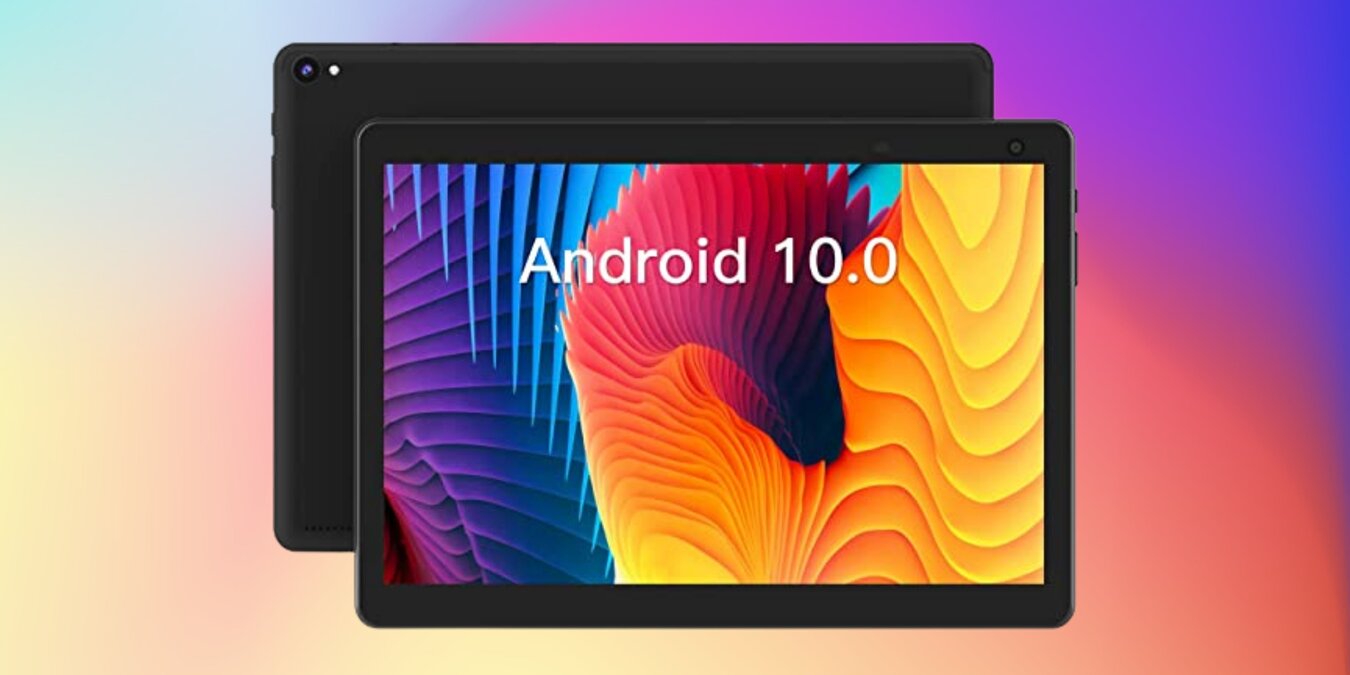

As tablets get more advanced, many of us are using them for work and schooling. Google has been rolling out changes that recognize this. The latest is a collection of Google Workspace features – including drag and drop – that are specifically meant for the larger screens on Android tablets. But what about iPads?
Also read: Android Work Profile Coming to Google Workspaces in 2022
New Google Workspace Features
Google announced through a blog post that it’s bringing drag and drop and more to Workspace on Android. This announcement follows the 12L software update for larger screen devices and Google’s I/0 announcement that it would be updating 20 of its apps to take advantage of the large screen on tablets. The first of these will be changes to Google Drive, Docs, Sheets, Slides, and Keep.
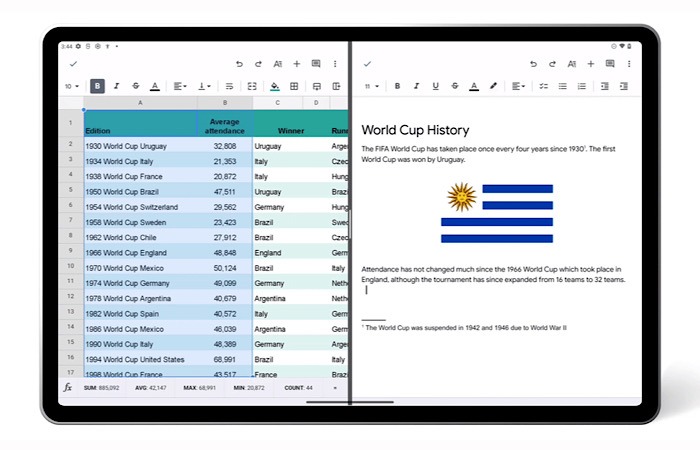
These changes help both with multitasking and collaboration and make use of side-by-side windows. They also keep you in the Google ecosystem so that you won’t leave Google to use a competitor’s app. The main feature – the one that will get the most people excited – is drag and drop between apps, both with files and elements, such as images.
If you have two different Google Workspace apps open, such as Docs and Chrome, you can drag images or text from one app to the other, such as an image from Chrome to Docs.
You can also drag and drop files between apps and upload files to Drive just by dragging them. Add links to Drive files to another app, such as Keep, by dragging the file from Drive to Keep.
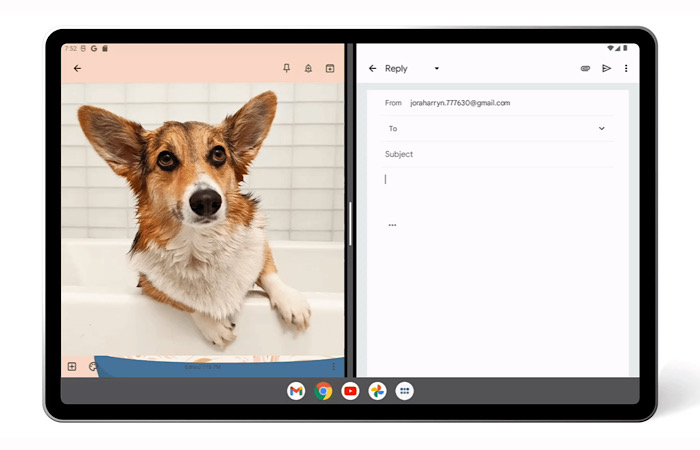
This also makes it easier to have two Drive files open side by side. You only need to select the three dots on a Drive file, then tap “Open in new window.” Keyboard shortcuts is another handy feature. If your Android tablet is connected to a separate keyboard, you can use the same keyboard shortcuts you’re familiar with to copy, paste, undo, etc.
What About Workspace on iPads?
My knee-jerk reaction was to ask, “What about iPads?” The blog post only mentions these Google Workspace features working on Android tablets. Will they work on Pads too? Google says, “These updates will roll out to Android’s large screens with Google Workspace and Personal Google Accounts over the next few weeks. And stay tuned for more updates as we continue to add new features for Google apps on Android’s larger screens.”
But then I thought about it and realized iPads already do these features – but not necessarily within Google workspace. Drag on drop between apps has been available on iPads for a few years. And while Apple had some workable multitasking features, iPad OS 16 allows you to have four windows open at once.
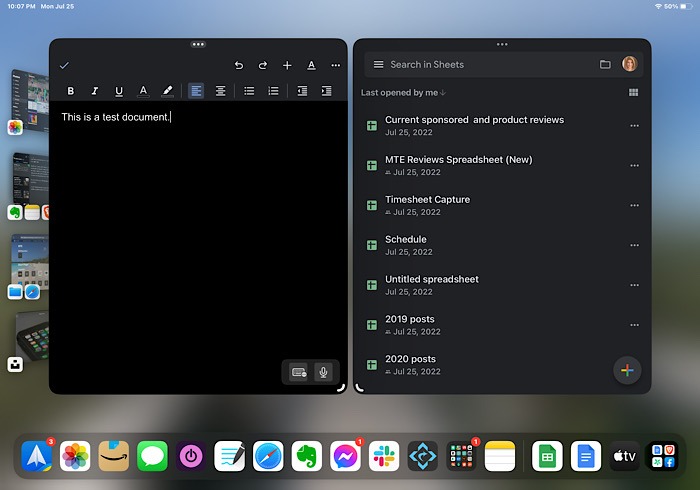
Side-by-side apps have been available on iPads for a few years as well, and keyboard shortcuts always worked on an iPad connected to a physical keyboard.
Yet, these options aren’t necessarily available on Google Workspace. While Google has updated these apps in the past week, I cannot drag text or images into Keep. But you can see the apps side by side and keyboard shortcuts work on these apps along with others. Not being available would just be odd.
This clears up why iPads are not mentioned in the blog post. Much of these features are already available, and Google seems to be doing catch-up to get Workspace working on Android tablets as well as it does on iPads.
Google has also started putting limits on how much you can save. Read on to learn how to check how much Google storage you have left.
Image credit: Amazon (altered by Laura Tucker) Screenshot by Laura Tucker