

If you were a fan of the old Google Inbox and have been waiting for Gmail to pick up those features, it seems it’s finally getting close to that. It’s been five long years, but Summary Cards is putting the Gmail inbox closer to the organization that fans of the old Google Inbox used to enjoy.
Google Inbox App Ahead of Its Time
I like to keep my email organized, especially between work and home. I want the work email organized as far as active projects, potential projects, etc. At the same time, it’s great to keep my personal email organized as well, between receipts, shipment notifications, travel itineraries, etc.

Tip: can’t locate an email? Learn how to find your lost email in Gmail.
The Google Inbox app provided all that for me. It separated everything so that I knew where to find anything I was looking for. I was able to create rules and organization for email that didn’t have organization.
In late 2018, Google announced it was retiring Inbox. It turned out Inbox was never supposed to be a permanent solution. It was actually a testing ground for future Gmail features. Eventually, I subscribed to a paid service, Sanebox, to get some of that organization that I was now lacking.
Summary Cards Bring Gmail Closer to the Old Inbox
Sanebox can no longer provide what I am looking for, putting me on the hunt again for an email app that can give me that old Inbox organization. AI is finally coming to email services to help provide that organization. Apple Intelligence is bringing some of that to iOS, iPadOS, and macOS in the Mail app, and now Google is finally bringing those features back to Gmail through Summary Cards.
Summary Cards have been a feature of Gmail for some time. It was like Google was on the right track, but just didn’t know how to take the next step to get it closer to the old Inbox. AI finally provided that answer, allowing Summary Cards to direct you and your email to simplify your life.
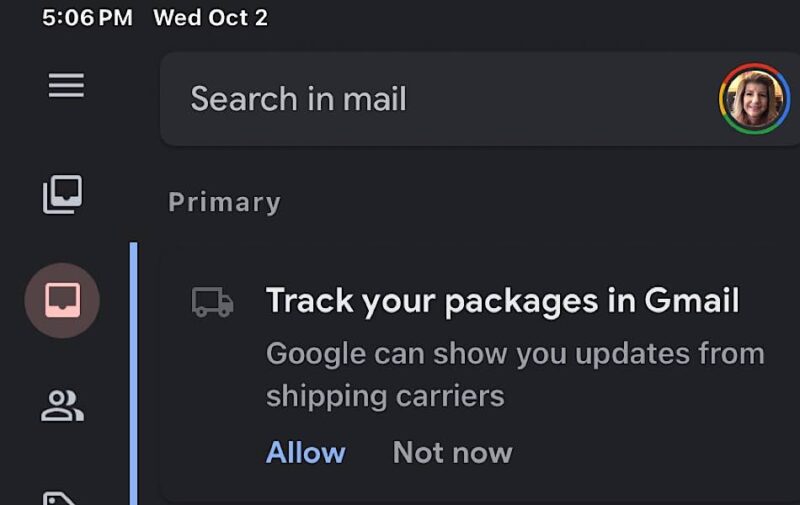
You’ll find Summary Cards at the top of Gmail, just as you always have. But you’ll also find them in a new Happening soon section within your inbox, as well as in Gmail search. While Summary Cards have always provided information, now it’s all being integrated to the rest of your system.
Reminding me so much of Inbox, Summary Cards will now show up in four distinct areas of your inbox: You’ll find them in:
- Purchases: keep track of your orders, track your shipments, etc.
- Events: add your upcoming events directly to your calendar, and invite friends and family to tag along and get directions.
- Bills: get reminded to pay your bills as they come due, add the due date in Google Tasks, and pay them as well.
- Travel: view your hotel reservation details, manage your reservations, and even check in for your flight, all right there within Gmail.
Just like the views in Inbox, you can get details quickly and will know where to find the information. To take it to the next level – further than Inbox allowed – you can interact with this information to track a package, check in to your hotel, or mark a bill as paid. Additionally, Summary Cards are dynamic, so they will continually update with the latest information.
The Happening soon section will only show up when it has something relevant to show you. Deliveries will show up here two days before the shipment is due to arrive on your doorstep. If you have multiple deliveries arriving on the same day, the Summary Cards will be stacked so that you can see all of the information.
The purchase Summary Cards are already rolling out on Android and iOS, while the event, bills, and travel cards, as well as the Happening Soon section, will follow later. Have multiple Gmail accounts? Learn how to handle them all in one place.
Image credit: Unsplash. All screenshots by Laura Tucker.