
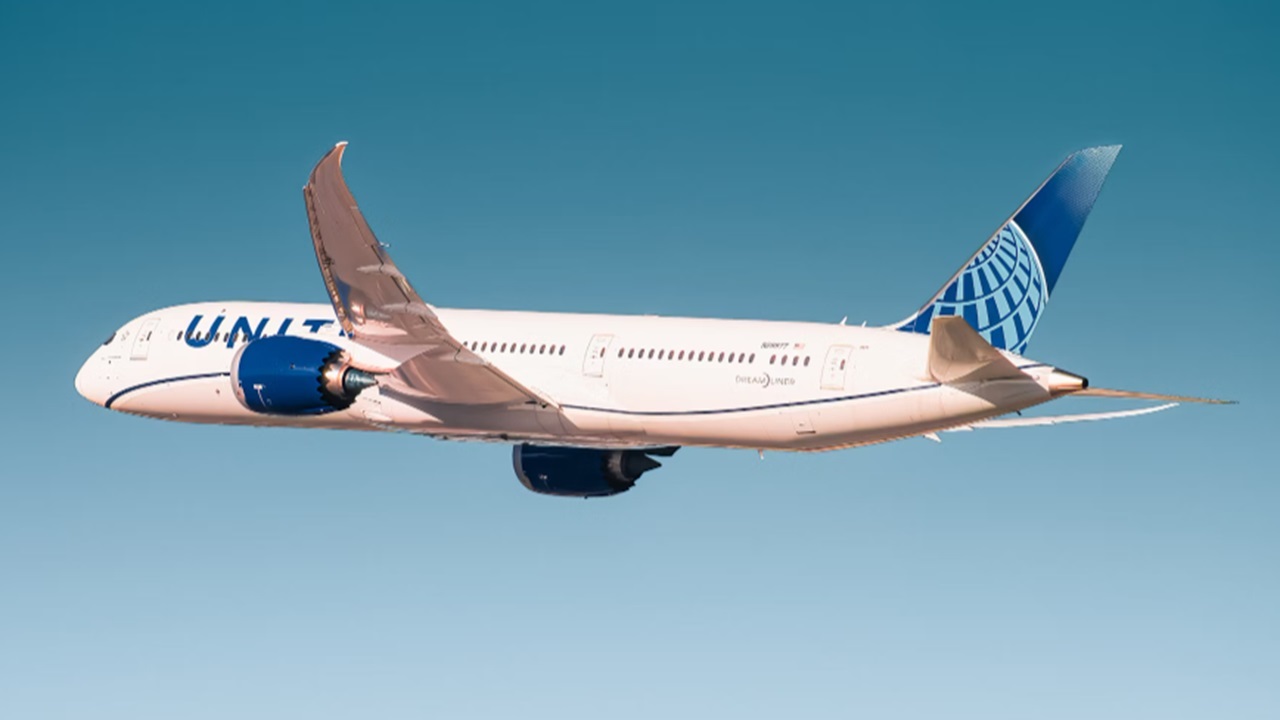

It’s not just wishful thinking anymore. United Airlines is giving travelers something they’ve wanted for decades: dependable, high-speed Internet – for free. No more buffering and no more feeling bored while flying.
United Airlines Rolling Out Starlink in 2025
While United Airlines got the aviation community excited with talk of high-speed Internet, courtesy of Starlink, no dates were set at the time. The airline has now set its sights on a spring 2025 launch. United’s Embraer E-175 will be the very first commercial flight equipped with Starlink.
The advanced satellite Internet is designed to be miles (no pun intended) above the typical Wi-Fi offered by airlines. In September, United finalized a deal with SpaceX to incorporate Starlink into its entire fleet of planes.
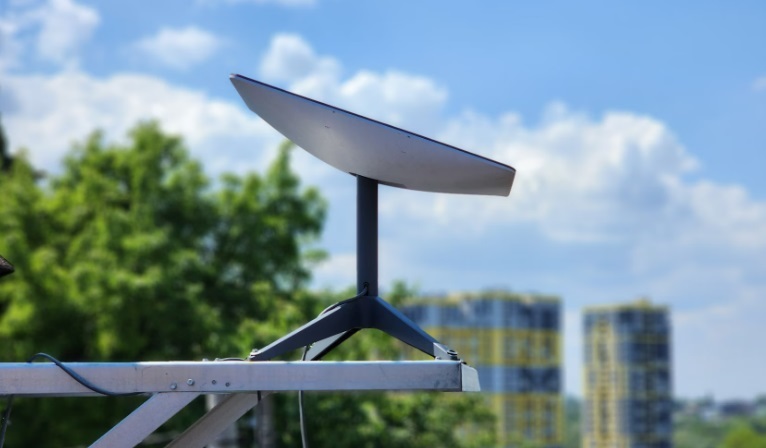
Yes, that’s right – it’s not just going to be for certain planes in the fleet. However, the rollout will likely take most of the year to complete. It all depends on how well the initial testing over the first few months of the year goes and how the initial flight performs. Once all the kinks are worked out, United plans to gradually add Starlink connectivity to the rest of its fleet.
Major Perks for MileagePlus Members
If you’re a MileagePlus member, the news gets even better: Starlink Internet will be included for free. Considering membership is free, there’s no reason not to sign up for United Airlines’ frequent flyer program.
The CEO of United’s MileagePlus program, Richard Nunn, said this is just the start of the new perks members can look forward to. Nunn hinted at even more partnerships and benefits, just from the addition of Starlink.
For instance, how often have you just settled for falling asleep because you didn’t want to pay for Wi-Fi, or what you did pay for just wasn’t worth it? Now, not only is it free, but the low-latency Internet makes it easy to enjoy streaming, browsing, and more on personal devices and seatback screens. Now, it’s even easier to stay entertained.
United Airlines Continues Improving the Tech Experience
United Airlines is continuing to prove that they understand the needs of travelers. They want to stay connected and have access to entertainment, work, and more, even when they’re in the air.
In 2023, United unveiled their Airbus A321neo with some impressive first-class tech upgrades. Travelers get to enjoy 13-inch 4K TVs on every seat, with featured snack and drink menus, access to hundreds of movies/shows, and even a 3D flight map. Plus, the screens let you pair your Bluetooth headphones, including AirPods.
As all that tech you love doesn’t have endless battery life, United also added USB-A and USB-C charging ports, along with a universal power port, to ensure you never have to disconnect. Wireless Qi charging pads are included in the center armrest, too. It all means not having to worry about lugging around power banks.
Don’t let the first-class part discourage you, as United provides 12-inch versions of the screens and charging ports even in economy on the Airbus A321neo.
If you have travel plans this spring or summer, you may want to give United a chance and experience free Starlink connectivity. Save on your next flight by booking through these travel websites.
Image credit: Unsplash