


About two months ago, one of my friends invited me to try Finch, a habit-tracking and self-care app. My friend insisted it would completely transform my well-being; I had doubts. Yet, after just one week of using the app daily, I noticed I was consistently checking off all the tasks I had entered, excited by my bird’s growth and expanding collection of micro pets.
[mte_toc]What is the Finch App?
Finch is “your new self-care best friend.” The mental health app is designed to help users build healthy habits and improve their mental health. All activities within the app center around a virtual pet – a small Finch – that you care for and nurture as you engage in various self-care activities.
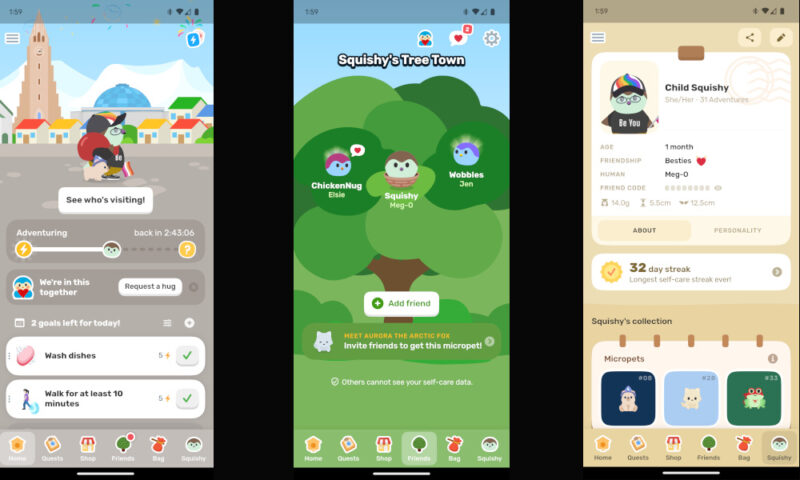
The app’s activities include daily goal setting, journaling, mindfulness practice, and mood tracking. For each activity you complete, you earn Rainbow Stones, which you can use as currency to purchase outfits and accessories for your Finch, decorations for its environment, and other in-app features that enhance your experience.
How This Gamified Habit Tracker Help Me
The Finch app is supposed to make self-care fun and engaging by combining a gamified habit tracker with practical wellness strategies. Initially, I was not sure gamification would motivate me; I have tried to build healthy habits previously, but my busy life often makes it challenging to fit everything into a single day. Yet, the more I use the Finch self-care app, the more success I experience.
Habit Building and Routines
My friend encouraged me to use Finch primarily to build habits and establish routines. When you first download the app and create your personal Finch, you will receive some suggested first habits to track. You can choose any of the recommended ideas or add your own.
Initially, I chose a few simple habits to track. Each time I checked off an item, my Finch gained energy, which it used for daily adventures. These adventures unlock new experiences for my Finch, much like my children experience the world. It is exciting to watch your little Finch grow and learn more about the world, especially when you can interact with it to build its personality.
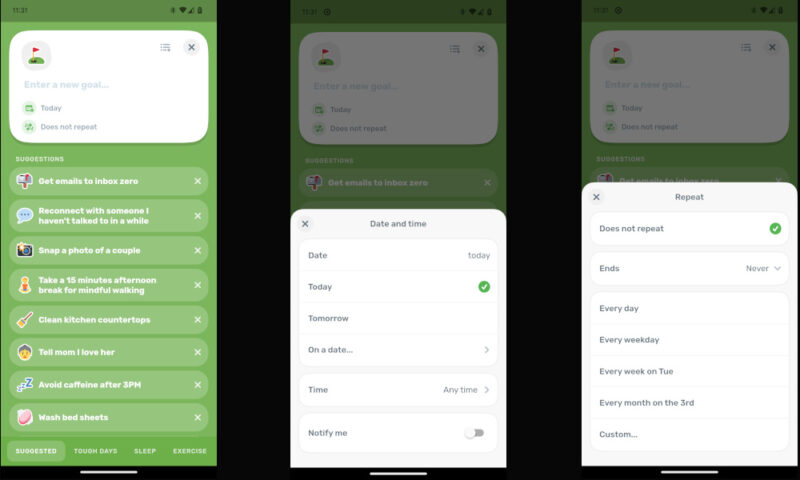
The more I use the app, the more habits I add to check off. I love the amount of customization the Finch app provides. You can choose how often these tasks repeat (daily, weekly, monthly, or fully custom), and you can add habits for future dates. Furthermore, you can periodically “skip” certain tasks based on your schedule without penalty.
Surprisingly, this gamified habit tracker increased my motivation, encouraged consistency, and provided a sense of accomplishment as I watched my Finch enjoy the rewards of my positive habit-building.
Emotion Identification and Regulation
Although the Finch app is primarily advertised as a gamified habit tracker, it is far from the only benefit the tool offers. In fact, Finch is a comprehensive health app filled with countless features to improve each user’s mental health.
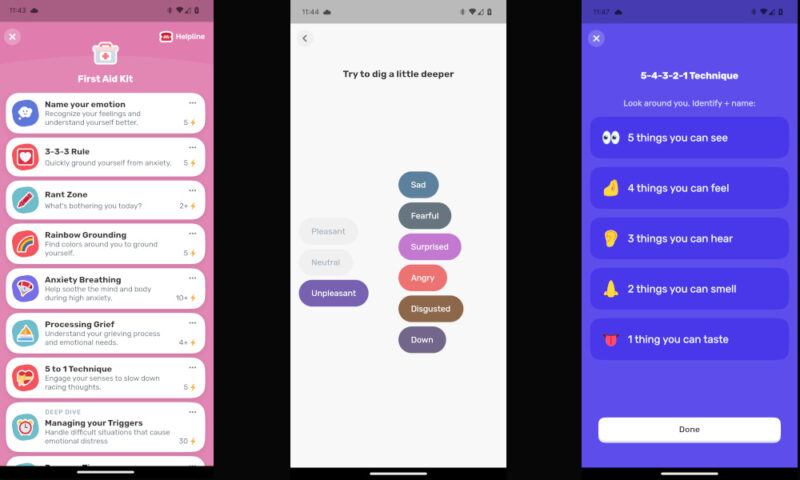
I appreciated the tools within the app designed to help me identify and regulate my emotions. I feel everything very deeply and live with generalized anxiety disorder. Although this combination makes it difficult to articulate my feelings, the Finch app has helped.
Within the app’s First Aid Kit, you can access several emotion identification and regulation tools. I use the “Name Your Emotion” feature often since it helps me pinpoint what I am feeling and write a brief synopsis of what led me to experience this emotion. I also like the Anxiety Breathing tool, 5-4-3-2-1 Technique, and Rant Zone as they can help me calm down during moments of high anxiety or frustration.
Adding Physical Activity to My Day
Since I work from home, I often struggle to include physical activity in my day. However, the Finch self-care app has encouraged me to be more active.
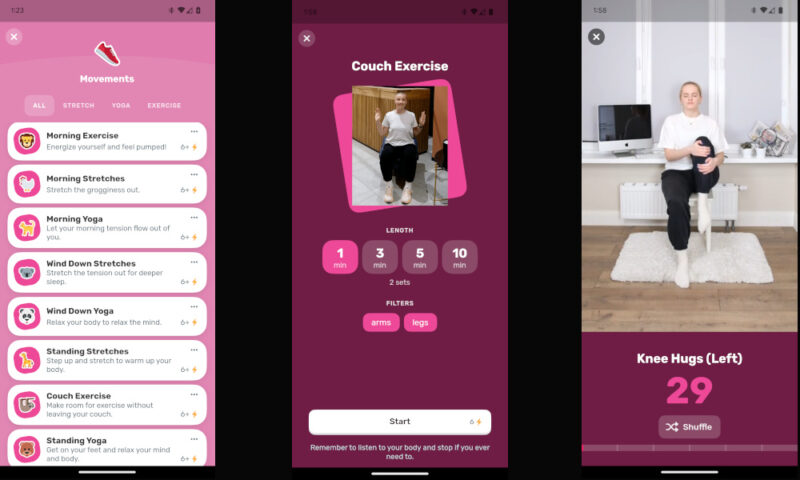
I have a daily recurring task to “walk for at least 10 minutes” and plan to increase the time I walk as I go. Additionally, the Movements section of the app includes many tutorials for stretches, yoga, and general exercise. You can choose the activity and length (one, three, five, or ten minutes), making it easy to fit into a break between meetings or at the end of lunch.
Celebrating Successes With Friends
Although I believe gamifying habit tracking and mental health has significantly helped me utilize the Finch app to its full potential, I also think the social aspect has contributed to my success.
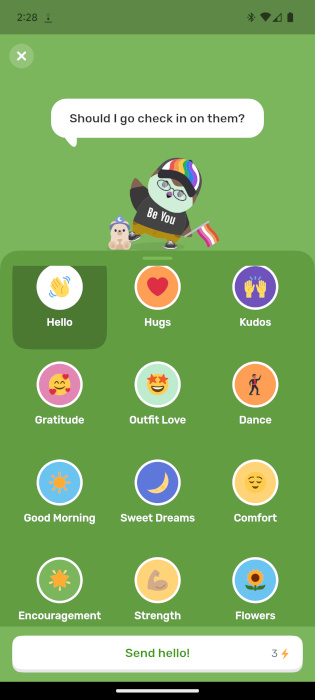
Within the app, you can connect with friends. Then, you can send your friends encouragement, hugs, and other positive vibes. Your friends can send these same mood boosts to you, visit your Finch, and even applaud your success. My friends and I have greatly enjoyed using the app together and talking about our achievements, both within and outside of it.
Not All Mobile Apps Are Bad
Many people say we’re all too heavily invested in technology these days. However, the Finch self-care app has positively impacted my life more than I ever imagined. This gamified habit tracker is helping me consistently care for my physical and mental health, track my mood, reflect on my days, and celebrate my self-care victories with my friends.
If you’re looking for a tool to help you reclaim your life, the Finch app can be a great way to improve your productivity. Additionally, you can utilize AI tools for productivity or listen to mental health podcasts.
Image credit: DepositPhotos. All screenshots by Megan Glosson.