


Have you been counting down the days, looking forward to the release of the next iPhones? You’re not alone. However, you might have to wait even longer. The factories that make the processors for iPhones were hit by a computer virus that caused them to shut down temporarily. Will this end up delaying the release of the iPhones?
Factory Shutdown
Taiwan Semiconductor Manufacturing Co. (TSMC) is one of the world’s largest manufacturers of semiconductors and processors. Currently, they are the sole producer of the processors in iPhones, and Apple is gearing up for its next release.
On the evening of Friday, August 3, several of the factories owned by TSMC were hit by a computer virus that shut down production. There weren’t many details of the virus released initially, and no person or organization has claimed responsibility for the attack, yet representatives from the company have also said the virus wasn’t introduced by a hacker. They have not said whether the virus is some type of ransomware.
The company has said the virus affected many of their fabrication tools, although it has been contained. Some of the factories have resumed production, but the remainder were to remain closed through the weekend until August 6.
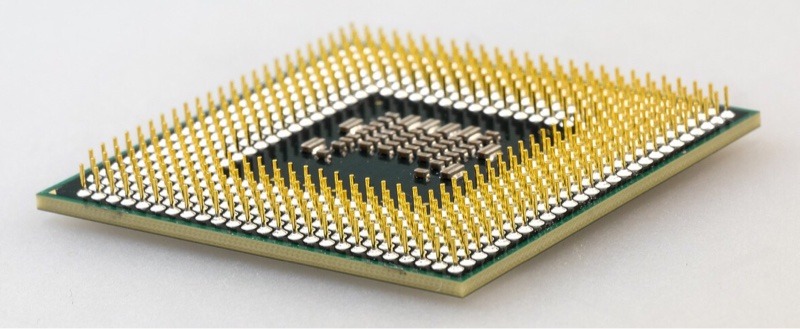
Sunday TSMC released a statement with more information. Since the virus caused production issues, they expect both revenue and shipping to fall in the third quarter, yet they are confident they will be able to recover their losses in the following quarter.
“TSMC expects this incident to cause shipment delays and additional costs. We estimate the impact to third-quarter revenue to be about three percent and impact to gross margin to be about one percentage point. The company is confident shipments delayed in third quarter will be recovered in the fourth,” read the statement.
Additionally, information was given to Bloomberg through a conversation with TSMC Chief Financial Officer Lora Ho. “TSMC has been attacked by viruses before, but this is the first time a virus attack has affected our production lines,” she said.
Impact on Apple
As the sole producer of the processors powering iPhones, this couldn’t come at a worse time. There has been no acknowledged date of the release of the next iPhones, but other than the first few models, Apple has traditionally announced the release around the second week of September, with them being released a few weeks later.
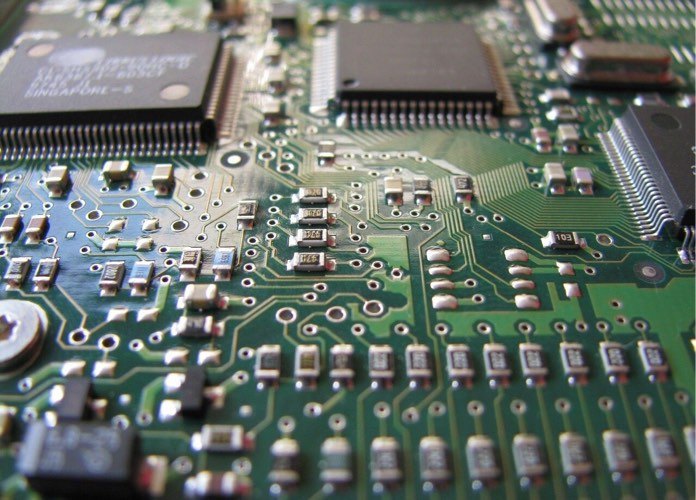
This is expected to be a big release for Apple. It’s been widely rumored that they are releasing three different models of the iPhone. Two of them were expected to be ready in September with a third ready later in the year.
No one has mentioned yet what the production loss at TSMC will mean to the iPhone release. It’s also unknown how many devices are already to go to be able to determine how much it will affect the date. There has been no mention of this at Apple.
Don’t Hold Your Breath
If you were looking to pick up a new iPhone next month, don’t hold your breath. Apple hasn’t reassured everyone that their release will be unaffected, but that could be because they don’t know or because they never confirm a release date this early, so it would be difficult to confirm a release date that hasn’t been announced will be unaffected.
It could be that we won’t find out if the release date was unaffected until Apple confirms that there will be a new iPhone release. We may just have to wait and see.
Are you waiting for the release of the new iPhones? Are you now worried you will have to wait even longer? Let us know how this might affect you in the comments section below.