
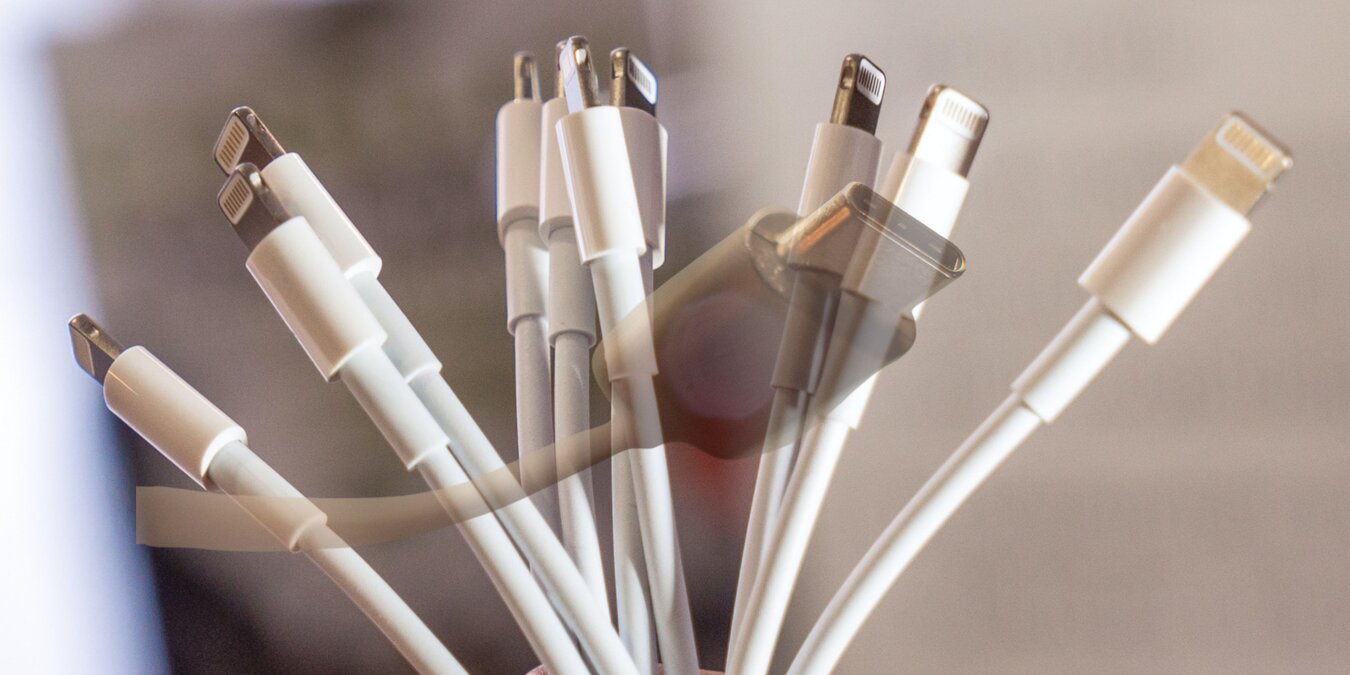

You know that drawer you have in your home that holds all your old chargers and cords, with some most likely far outlasting the actual devices? I can’t be the only one. The European Union wants to help us with that. An agreement was reached that will require smartphones and other devices to charge via USB-C, limiting that mess. Does this mean Apple will finally have to ditch the Lightning port on the iPhone and replace it with USB-C?
Also read: What Is a GaN Charger? 5 of the Best GaN Chargers You Can Buy
EU USB-C Proposal
In September 2021, the European Commission proposed a mandate that would require USB-C charging for many devices.
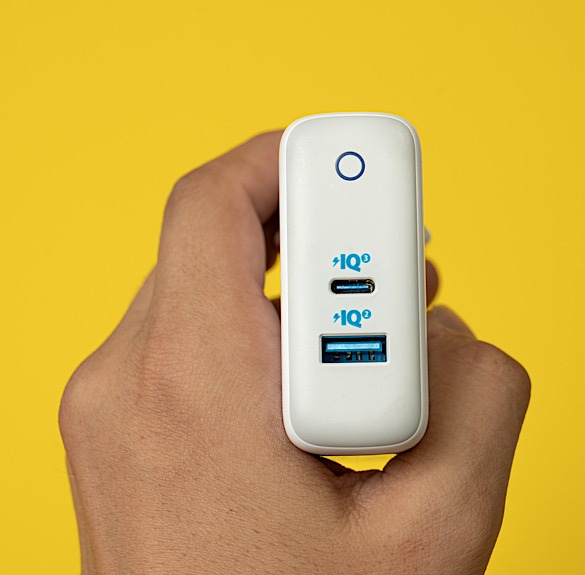
Apple was voicing its concerns early. It knew this would change its plans for future iPhones. Apple has used its proprietary Lightning port since 2012 on iPhones and iPads. Though some iPads now use USB-C, and newer iPhones are charged from a USB-C charging brick or port.
After hearing of the proposal, Apple said, “We remain concerned that strict regulation mandating just one type of connector stifles innovation rather than encouraging it, which in turn will harm consumers in Europe and around the world.”
USB-C Agreement
The EU Parliament and Council agreed to the plan to require USB-C charging. This was not a surprise, as the parliament has been fighting for this for 10 years. Do the math, and it puts the argument back to the year Apple introduced Lightning charging. The EU Parliament and Council still needs to formally approve the agreement, but that seems like a formality at this point.
The mandate will require products “that are rechargeable via a wired cable” to universally use the USB-C technology. Other than smartphones, this will apply to Nintendo Switch, Kindle, earbuds, headphones, etc. As a reviewer of many products here at Make Tech Easier, I can tell you that Apple is far from the only company that isn’t compliant with this – but it is definitely the most prominent.
Laptops will have to comply, too, eventually, but they’ll have a little more time. They will have to be equipped with USB-C within 40 months. However, other devices only have until the fall of 2024.
Parliament made the argument for the legislation by noting it will lead to fewer electronics waste. “Consumers will be provided with clear information on the charging characteristics of new devices, making it easier for them to see whether their existing chargers are compatible. Buyers will also be able to choose whether they want to purchase new electronic equipment with or without a charging device,” said the announcement of the agreement.
“These new obligations will lead to more re-use of chargers and will help consumers save up to 250 million euro a year on unnecessary charger purchases. Disposed of and unused chargers are estimated to represent about 11,000 tonnes of e-waste annually.”
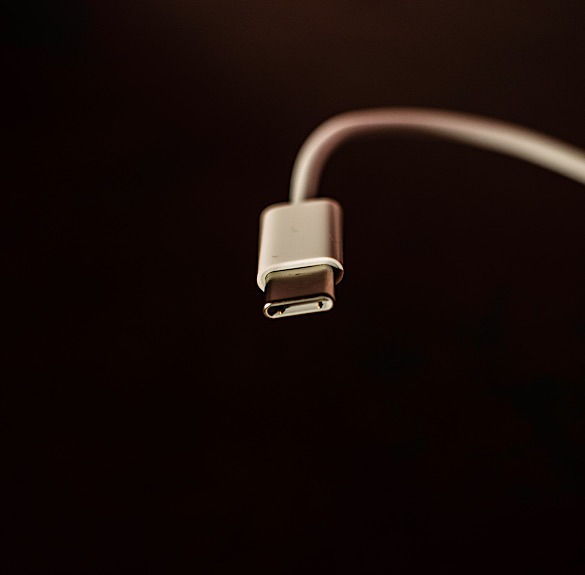
According to the commission, the typical EU resident has in their drawer (or scattered throughout outlets) at least three chargers, despite only using two regularly. Yet, 38 percent say they can’t charge their phones, as they can’t find a charger.
Along with requiring USB-C charging and a choice of whether a charger will be included with new phones, fast-charging technology must be standardized. It’s estimated that these changes will save 250 million euros ($293 million) each year.
How Will this Affect the iPhone?
Apple only announced two new MacBooks and new OS at WWDC 2022 this week, so we don’t really know if this fall’s iPhone 14 release will have USB-C. While some early rumors said it will, more substantial, recent rumors said it won’t.
If Apple is smart, and presumably it is, it was already planning an iPhone USB-C. It was already looking to be the wave of the future. And certainly, once the EU made its wishes known last September, Apple should have stepped on the gas.
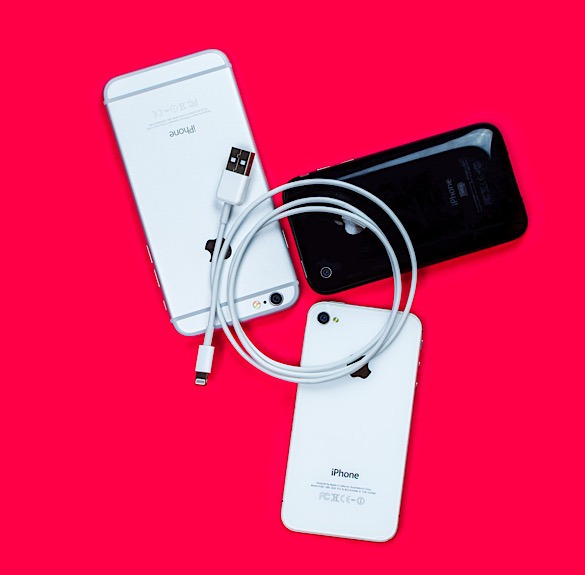
According to reports out just last month, Apple does have a USB-C phone in the works – not for this Sptember, but 2023, a year before it will be required in the EU.
Apple doesn’t have to switch it all to USB-C, as it could offer USB-C and Lightning iPhones, but that seems like it would be costly and problematic.
Switching to USB-C iPhones means we’ll have less clutter in that drawer, but it also means we’ll have more e-waste – at least initially. All our accessories that depend on Lightning will be rendered irrelevant.
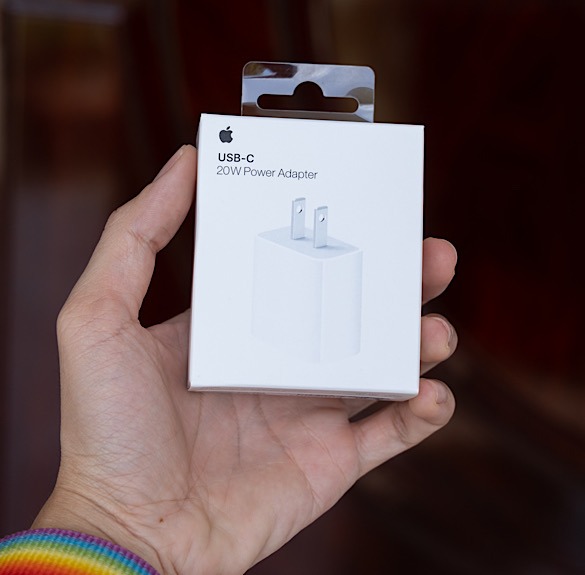
Again, as a reviewer, I see many different chargers come my way, but most of the new ones are USB-C. I keep two charging bricks plugged in – both are USB-C. I don’t use my iPhone’s Lightning – I go wireless. But I am reviewing a product right now that uses a USB-A charging brick and a non-conventional charger on the other end. It’s not looking good for that product already, and it’s setting up to be released this month
Maybe the EU USB-C requirement is going to be messy regardless. Read on to learn about the lawsuit Apple was hit with when it stopped including chargers with phones.
Image credit: Unsplash and Unsplash